• Skip to primary navigation
  • Skip to main content
CURIO SG

CURIO SG

Holistic Education

  • Home
  • Programmes
    • Secondary School Programmes
      • English Language ‘O’ Level Programme
      • English Literature ‘O’ Level Programme
    • Junior College Programmes
      • English Literature ‘A’ Level Programme
      • GCE ‘A’ Levels: General Paper
    • IP
      • IP Programme: English Language
      • IP Programme: English Literature
    • Crash Courses
      • O Levels English Language
  • Free Resources
  • About
  • Journal
  • Show Search
Hide Search
You are here: Home / Archives for education

education

The Best Biographical Films to Motivate and Inspire Your Teens

Nadya Sharfina · July 11, 2024 · 1 Comment

"Movies offer abundant opportunities for education and inspiration, providing a window into diverse experiences and sparking curiosity and passion."

In today’s media landscape, movies offer abundant opportunities for you and your teenage kids to find education and inspiration. They provide a window into diverse human experiences and backgrounds, entertaining us while sometimes also offering profound insights that can inspire and motivate us to take action. Whether based on fiction or real events, movies have a unique ability to spark curiosity and ignite passion.

The Swimmers (2022)

“The Swimmers,” a 2022 biographical sports drama film, is a must-watch for teens looking for inspiration and motivation. Directed by Sally El Hosaini, this movie tells the compelling life story of teenage Syrian refugees Yusra and Sarah Mardini, portrayed by real-life sisters Manal Issa and Nathalie Issa.

Trained by their father to become professional swimmers, Yusra and Sarah’s journey takes a dramatic turn when their country is torn apart by war. Faced with an uncertain future, they decide to emigrate to Europe, joining millions of other refugees in search of safety and new opportunities.

Their journey is fraught with peril. They are smuggled from İzmir towards Lesbos, and in a heroic act of courage, they swim alongside a sinking dinghy of refugees to lighten it, ultimately helping 18 people reach safety across the Aegean Sea.

Despite the hardships, Yusra’s determination remains unshaken. She continues to pursue her dream of swimming at the Rio 2016 Olympics, ultimately competing as a member of the Refugee Olympic Team.

“The Swimmers” is a great pick for teens because it tells a powerful story of resilience, determination, and hope. It immerses viewers in the real-life struggles and triumphs of Yusra and Sarah Mardini, making it an engaging and educational experience.

The movie is inspiring, showing how the sisters persevere through adversity and highlighting the strength of the human spirit. It addresses important global issues like the refugee crisis, giving teens a broader perspective and fostering empathy. Watching Yusra chase her Olympic dream against all odds can motivate teens to pursue their own goals, no matter how tough the journey.

The Pursuit of Happiness (2006)

“The Pursuit of Happiness” is a film that is real, heavy, and deeply inspirational. Starring Will Smith, Thandie Newton, and Jaden Smith, this movie tells the real-life story of Chris Gardner and his relentless efforts to prevent his family from sinking into poverty.

Chris Gardner’s journey is marked by bad luck and numerous challenges. With an unsupportive wife and the loss of his apartment, Chris and his young son Christopher find themselves homeless. Despite his world falling apart, Chris remains determined and independent, holding firmly to his resolve.

At its core, the movie explores the powerful relationship between parent and child, highlighting love and faith. It beautifully showcases how Chris takes responsibility for his son, providing care and support even in the toughest circumstances.

“The Pursuit of Happiness” delivers a profound message of perseverance and resilience. Chris Gardner’s journey shows that no matter how difficult life becomes, unwavering determination and hard work can lead to success. This film can inspire teens to face their own challenges with courage and optimism, demonstrating that with persistence, they can overcome obstacles and achieve their dreams.

The movie offers valuable insight into the efforts parents make to be the best they can for their children. It’s about the strength of family relationships and the deep bonds between parent and child. This touching story resonates deeply, encouraging viewers to reflect on the importance of family and the strength found in these connections.

Freedom Writers (2007)

The movie is based on the book The Freedom Writers Diary, which was compiled by teacher Erin Gruwell and her students from real diary entries about their lives. The movie itself is a compelling drama film directed by Richard LaGravenese and starring Hilary Swank, Patrick Dempsey, and Mario. 

Set at Woodrow Wilson Classical High School in Long Beach, California, the film follows Erin Gruwell as she teaches an English class to at-risk students. These students come from different racial gangs and often clash with one another. Despite their differences, Erin, a charming and dedicated young teacher, is determined to make a difference in their lives.

To connect with her students, Erin employs various methods, including introducing them to The Diary of Anne Frank (Checkout Who Revealed Anne Frank’s Hiding Place?). She even buys the books with her own money, which deeply impresses her students. Inspired by the book, Erin encourages her students to keep their own journals, where they document their painful and challenging experiences, and share their stories with her.

“Freedom Writers” sheds light on the challenges faced in educating children from poor and single-parent families. The film is both hopeful and sincere, portraying how one teacher’s dedication and innovative approach can make a significant impact.

This movie demonstrates the power of empathy, perseverance, and the impact of education. It shows that despite difficult circumstances, positive change is possible with support and determination. “Freedom Writers” can inspire teens to value their education, understand different perspectives, and overcome their own challenges with resilience.

While enjoying these movies, remember to keep an eye on your kids and guide them through the themes and messages portrayed. For more insights on the impact of movies and TV on teenagers today, be sure to check out The Impact of Movies and TV on Teenagers Today.


How to Excel at Essay Writing – A level General Paper

Santhi Rebecca · June 27, 2024 · 3 Comments

"As a GP tutor for over a decade, I've seen students transform their struggles with general knowledge and objective analysis into strengths, mastering one of the most challenging A Level subjects with intelligence and critical thinking."

As a GP tutor for over a decade, I have seen students struggle with and successfully overcome challenges ranging from a lack of general knowledge to an inability to carry out objective analysis. General Paper, usually referred to as GP, is arguably one of the most challenging subjects in the A Levels. It requires not only a strong understanding of current affairs and global issues but also the ability to think intelligently and critically. 

Over the years, I have compiled a list of strategies and sound advice on how to excel at Essay Writing. Read on for some common complaints and tips on how to overcome them. Alternatively, if you would like to learn directly from us, drop us a WhatsApp at 8892 2948.

Complaint #1: “You can’t study for GP”

Photo by Zen Chung on Pexels

Au contraire, one can very much study for general paper. Strategise early and you may even obtain that coveted A grade. Start off by looking at the topics. Which ones are you most interested in, and can already discuss with some confidence?

– Societal Issues
– Politics and Governance
– The Media
– The Arts
– The Sciences
– Technology
– Sports
– Universal Human Issues
– Global Conflicts 
– Crime and Punishment
– Education
– Culture and Tradition
– The Environment
– Animal Rights
– Philosophical Issues
– Ethics and Morality

I would suggest that you pick up to six topics to focus on, and then read and immerse yourself in articles, books and even social media posts that discuss them. Six topics may sound daunting to some of you, so try just two to start with, and then eventually expand to a few more if you find yourself capable of it. Some students have gotten away with focusing on just two or three topics. Ultimately it depends on your capability and capacity to digest the subject matter. Expert Tip: Focusing on ‘Societal Issues’ especially with regards to Singapore will allow you to simultaneously study for Application Question (AQ) too. 

Complaint #2: “But I don’t have any general knowledge”

Photo by Mary Taylor on Pexels

Then it is time to start reading. There are two ways in which you can plump up your general knowledge, and this very much depends on whether you are already an avid reader. Don’t like reading? Fear not. There is still, and always a way. 

Strategy 1: Try reading The Economist, The New York Times, and Time to start with. Along the way you may look up the internet for other readings associated with your topic of choice. When you do, make sure that you are reading well-written pieces with thoughtful perspectives. Check in with your teachers if you are not sure whether you are reading quality writing. To read good magazines for free, install the PressReader app on your device and then log in with your NLB account.

Strategy 2: Instead of depending on your decidedly tired brain to store up knowledge or let’s face it, some not so interesting readings, make a simple list on an online document with the link to the reading, your understanding of the article, and some statistics or conclusions that were presented. This document will be very useful when you are revising for GP, and do not have time to hunt through hundreds of articles to glean the information you need. 

General knowledge is what it is, it is general, and without some attempt to read extensively, it will be fairly difficult to argue with clarity and conviction.

Complaint #3: “I can never pass Paper 1, my essay is never good enough”

Photo by Mikhail Nilov on Pexels

Say it together with me: “I can and I WILL pass Paper 1”. Work on a solid structure, stick to it and repeat. Practice is key, and if you can get a teacher to read through your essays or essay plans to give you feedback, it will bolster your confidence and skills. Try Curio’s Independent Programme which involves marking and feedback only without the weekly commitment – and expense – of tuition. 

  • Suggested Structure
Introduction
OV1 = Opposing View & Rebuttal
OV2 = Opposing View & Rebuttal
SV1 = Supporting View 
Conclusion
  • Tips for Content
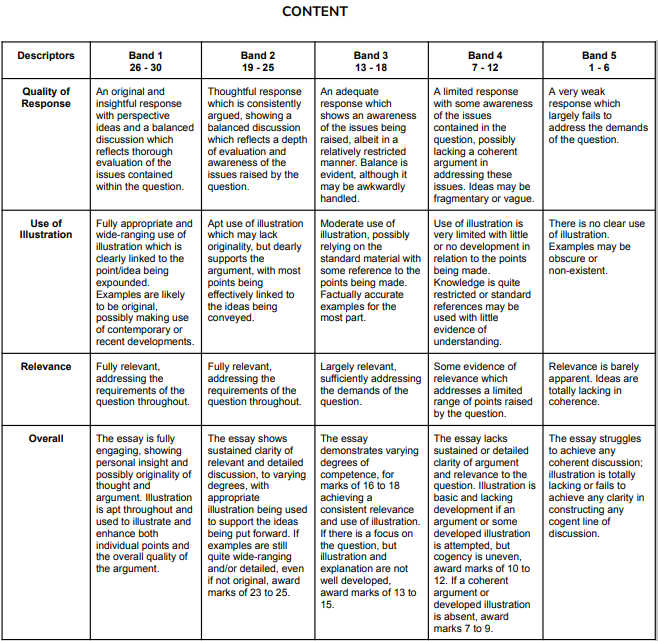
1. Pay attention to qualifiers in the question which can make or break your essay. Examples of qualifiers are ‘today’, referring to current happenings, or ‘increasingly’ which prompts you to make a comparison between two states.
2. Answer the question at the start of a body paragraph. Answer the question at the end of a body paragraph. Check again. Have you answered the question?
3. Think big and broad – use PESTLE to help you along. Political | Economic | Social | Technological | Legal | Environmental OR International | National | Individual
  • Tips for Language
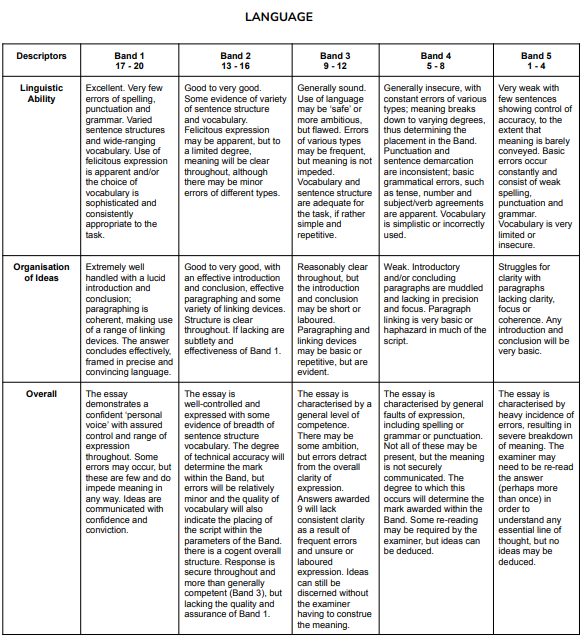
1. Good grammar is essential. If you are still confusing subject-verb agreements and getting lots of ‘expression’ errors in red, stay away from complex sentences until you feel more confident. Write shorter sentences which you are sure of first, and build up your writing skills. Nothing irks an examiner more than having to wade through your arguments which are put together with poor grammar.
2. Use a GREAT hook and then go back to it if possible in your conclusion. It gives the impression of a neat little bow all tied up and ready to be presented. Check out this post: The GP Essay: How to Craft an Excellent Introduction.
3. Introduce opposing viewpoints with the following phrases: 
– While some may claim that…
– Critics of the view that…often argue that…
– Opponents to…have pointed out that…
– Naysayers of the view that….typically claim…
– An opposing argument frequently cited is that…
– It might seem persuasive to argue that…
– Some would dispute this on the grounds that…
4. Go further. Introduce opposing viewpoints with specific names of groups that hold certain beliefs. For example: 
– Environmental Activists
– Feminists
– LGBTQAI + proponents
– Millennials/Boomers/Gen-Zers
– Liberals
– Conservatives
may claim that…/may argue that…/often adopt the position that…
5. Phrase your rebuttals thus: 
– However, I believe that it is more important to consider…because…
– I heartily disagree with this view because…
– This view however fails to consider that…
– Despite their arguments, I still hold the position that…
  • Avoid Fallacies

Here are some common fallacies to avoid. Read your sentences twice and then read them again. Check with a teacher if you are not sure that you have committed a fallacy. You must avoid these, no matter what! 

– Hasty Generalisation

Hasty generalisation is a logical fallacy where a conclusion is drawn about a whole population based on a small or unrepresentative sample. This type of reasoning leads to stereotypes and incorrect assumptions because it extrapolates limited evidence to make broad claims. It is one of the most common fallacies that GP students end up writing.

Examples of Hasty Generalization:

  1. Personal Experience:
    • Example: “I met two aggressive dogs from that breed, so all dogs of that breed must be aggressive.”
    • Explanation: This conclusion is based on encounters with only two dogs and does not account for the behaviour of all dogs of that breed.
  2. Limited Observation:
    • Example: “My friends who study computer science are introverts, so all computer science students must be introverts.”
    • Explanation: The statement is based on a small group of friends and does not represent all computer science students.
  3. Single Incident:
    • Example: “I tried sushi once and didn’t like it, so all Japanese food must be bad.”
    • Explanation: The conclusion about all Japanese food is drawn from a single experience with one dish.
  4. Quick Judgments:
    • Example: “A man cut me off in traffic today; men are terrible drivers.”
    • Explanation: This generalisation is made from one incident and unfairly labels all men as bad drivers.
  5. Small Sample Size:
    • Example: “I know two people who got sick after eating at that restaurant, so the food there must always be unsafe.”
    • Explanation: The conclusion is drawn from the experiences of only two people, which is not enough to assess the restaurant’s overall food safety.
  6. Unrepresentative Group:
    • Example: “I read an article about a teenager who hacked into a government system, so teenagers must be skilled hackers.”
    • Explanation: The article describes a specific individual, and it is unreasonable to extend this skill level to all teenagers.
  7. Observational Bias:
    • Example: “I have seen several sports cars being driven recklessly, so sports car owners must all drive recklessly.”
    • Explanation: This conclusion is based on observed behavior of a few drivers and does not consider the driving habits of all sports car owners.

Hasty generalisations are problematic because they lead to misconceptions and biases, often without considering the complexity and diversity of the subject or population being generalised.

– Strawman

The strawman fallacy occurs when someone misrepresents or oversimplifies another person’s argument in order to make it easier to attack or refute. Instead of addressing the actual argument, they create a distorted or exaggerated version of it, attack that version, and then claim to have disproven the original argument.

Examples of the Strawman Fallacy:

  1. Simplification:
    • Original Argument: “We should invest more in public transportation to reduce traffic congestion and pollution.”
    • Strawman Argument: “My opponent wants to spend billions on new buses and trains that nobody will use. This is a waste of money.”
    • Explanation: The original argument is about improving public transportation to address specific issues, but it is misrepresented as a wasteful expenditure.
  2. Exaggeration:
    • Original Argument: “I believe we need stricter regulations on pollution to protect the environment.”
    • Strawman Argument: “He thinks we should shut down all factories and put everyone out of work to save a few trees.”
    • Explanation: The argument for stricter regulations is exaggerated to an extreme position that implies shutting down all industrial activity.
  3. Distortion:
    • Original Argument: “We need to reform the education system to ensure all children have access to quality education.”
    • Strawman Argument: “She wants to throw out the entire current education system and start from scratch, which is impractical and disruptive.”
    • Explanation: The call for reform is distorted into a call for completely abandoning the existing system.
  4. Oversimplification:
    • Original Argument: “We should consider implementing universal healthcare to ensure everyone has access to medical services.”
    • Strawman Argument: “My opponent thinks the government should control every aspect of our lives, including our healthcare choices.”
    • Explanation: The argument for universal healthcare is oversimplified into a claim about government control over personal lives.
  5. Misrepresentation:
    • Original Argument: “Animal testing should be limited because it is often inhumane and there are alternative methods.”
    • Strawman Argument: “You think we should completely ban all animal testing, even if it means delaying medical breakthroughs.”
    • Explanation: The argument for limiting animal testing is misrepresented as a call for a total ban, ignoring the nuance about alternative methods.

How to Avoid the Strawman Fallacy:

  • Accurate Representation: Restate the argument accurately before presenting a counter-argument.
  • Address the Core Issue: Focus on the main points of the argument rather than picking on minor details or exaggerating aspects of it.

By avoiding the strawman fallacy, discussions can remain focused on the actual issues and promote more productive and honest debate.

– Ad Hominem

The ad hominem fallacy occurs when someone attacks the character, motive, or other attribute of the person making an argument rather than addressing the substance of the argument itself. This type of fallacy aims to discredit the argument by discrediting the individual, which is irrelevant to the argument’s validity.

Examples of the Ad Hominem Fallacy:

  1. Personal Attack:
    • Original Argument: “We should implement stricter environmental regulations to combat climate change.”
    • Ad Hominem Attack: “You’re not a scientist, so your opinion on environmental regulations doesn’t matter.”
    • Explanation: The attack is on the person’s credentials rather than the merits of their argument.
  2. Attacking Motives:
    • Original Argument: “Raising the minimum wage will help reduce poverty.”
    • Ad Hominem Attack: “You only support raising the minimum wage because you want to win votes in the upcoming election.”
    • Explanation: The focus is on the alleged motive rather than addressing whether raising the minimum wage will reduce poverty.
  3. Character Attack:
    • Original Argument: “We need to improve public transportation to reduce urban congestion.”
    • Ad Hominem Attack: “You’ve always been lazy and have never used public transportation yourself, so why should we listen to you?”
    • Explanation: The argument is dismissed by attacking the person’s character and habits rather than the argument itself.
  4. Association Fallacy:
    • Original Argument: “Vaccines are effective in preventing diseases.”
    • Ad Hominem Attack: “You support vaccines because you are paid by pharmaceutical companies.”
    • Explanation: The argument is undermined by suggesting the person is biassed due to financial connections, rather than discussing the effectiveness of vaccines.
  5. Past Actions or Beliefs:
    • Original Argument: “Tax reform is necessary to ensure a fairer economic system.”
    • Ad Hominem Attack: “You can’t be trusted on tax policy because you were convicted of tax evasion 20 years ago.”
    • Explanation: The attack is based on past actions rather than addressing the current argument for tax reform.

How to Avoid the Ad Hominem Fallacy:

  • Focus on Arguments, Not People: Address the argument’s content and evidence rather than the person presenting it.
  • Separate Character from Argument: Understand that a person’s character or past actions do not inherently invalidate their argument.
  • Seek Evidence: Base counter-arguments on facts and evidence that directly relate to the argument being made.

By avoiding ad hominem attacks, discussions can remain respectful and focused on the actual issues, allowing for more meaningful and constructive debate.

– Slippery Slope

The slippery slope fallacy is a logical fallacy that occurs when someone argues that a relatively small first step will inevitably lead to a chain of related events culminating in some significant (usually negative) effect, without providing sufficient evidence that this chain of events will actually happen. This fallacy often relies on fear or speculation rather than logic and evidence.

Examples of the Slippery Slope Fallacy:

  1. School Policies:
    • Argument: “If we allow students to redo their assignments, soon they’ll expect to redo every assignment, and eventually, they won’t bother to study or try hard at all.”
    • Explanation: The argument assumes that allowing redos will lead to a complete lack of effort from students, without evidence that such a progression is inevitable.
  2. Technology Use:
    • Argument: “If we let children play video games for an hour a day, soon they’ll be playing all the time, neglecting their studies, and ultimately failing in school.”
    • Explanation: The argument jumps from an hour of video games to complete academic failure without evidence that this progression will necessarily occur.
  3. Political Policies:
    • Argument: “If we start offering free healthcare, the next thing you know, we’ll be a full-blown socialist state with no economic freedom.”
    • Explanation: The argument assumes that introducing free healthcare will inevitably lead to a complete transformation into a socialist state, without providing evidence for such a chain of events.

How to Avoid the Slippery Slope Fallacy:

  • Demand Evidence: Use concrete evidence that shows how one step will necessarily lead to the extreme outcome being predicted.
  • Analyse Each Step Independently: Evaluate each step in the supposed chain of events on its own merits, rather than assuming they will all happen automatically.
  • Use Proportionality: Consider whether the initial action is proportionate to the predicted outcome and if there are realistic intermediary steps that could be controlled.

By avoiding the slippery slope fallacy, arguments can remain more logical, focused, and grounded in evidence, leading to more rational and productive discussions.

Other common fallacies students may unwittingly commit include Red Herring, Appeal to Authority, Bandwagon Appeal, Emotional Appeal and Circular Argument. Check them out thoroughly and keep them in mind when you are writing. Chances are if you write an argument which leaves you in great doubt as to its validity, some sort of fallacy may have been committed. Check with a teacher whenever possible. 

  • Pay Attention to the Rubrics

The rubrics aren’t for teachers and examiners to mark your essays. They are for YOU to peruse and mull over. Read them carefully and set some goals for yourself. Which bands are realistic for you to reach right now? Which bands do you want to aim for next? 

  • Last Words: Hang in there 

If you have been failing GP almost consistently or just getting poor grades, it can be very daunting thinking about how to improve, let alone get an A. The GP essay is very different from the one you did for ‘O’ levels and much more demanding, but once you get the structure right and thoroughly understand the topic that you will be expounding upon, it will begin to get easier. If you need help, check out some affordable classes here: Curio A Level GP Classes or if you don’t have the time for classes and just need someone to mark your essays, try the Curio Independent Programme. Drop us a WhatsApp at 8892 2948 if you would like more information. Good luck! 

The Best O Level English Tutors in Singapore

Santhi Rebecca · June 21, 2024 · 1 Comment

"Discover the best O level English tutors in Singapore at Curio, where expert guidance and proven strategies lead students to A grades and a brighter future."

If you are looking for the best O level English Tutors in Singapore, look no further, as you have arrived at the right place! Finding the right tutors to guide you along this journey will truly make a difference to your grade and your future. At Curio, we have spent many years understanding exactly how to nudge students towards an A grade, and we employ our strategies in an easy way for students to grasp. 

#Strategy 1: Personalisation

Photo by Mary Taylor on Pexels

We identify each student’s strengths and weaknesses prior to starting classes so that we can keep the focus on what students need to work on in order to improve. We provide drill and practise worksheets where necessary and work with students throughout the week – and not only during tutoring sessions – in order to help them with consistency. Many tuition centres only have contact with students once a week during classes. We have found that to be an ineffective way of communicating and working with students, especially when they can benefit from our expertise when they need it most, and not just during a designated time per week.  

#Strategy 2: Excellent Curriculum Design

Photo by Mary Taylor on Pexels

With our wealth of experience, we have an excellent curriculum which has been tested, tried and proven to work. Our lessons are beautifully designed in-house, ensuring that students at any grade level will be able to attempt them, gain confidence and eventually advance. Every lesson has elements incorporated which allow for students to feel both confident and challenged. If students struggle with the material, we dial it down until they pick up the basic skills required. If students find the material too easy, we challenge them to go further. Every student learns differently and with this type of flexibility in learning, they advance very quickly with us. 

#Strategy 3: The Best Teachers in Singapore

Photo by Anna Shvets on Pexels

Curio has had so many students get a distinction or improve their grades so dramatically that we are not embarrassed to tute our own horns! The reason our students do so well is because of the wealth of experience our teachers have. It is only through years of encountering all kinds of students, with their own individual quirks, learning styles and emotional makeup that our teachers have become this good at understanding young people. Our lessons can be fun and engaging. We sometimes have heartfelt conversations. Importantly, we know when to steer the lesson in a way that students are always learning, questioning and developing. 

If you need more convincing, sign up for our classes here: Curio’s English O Level Programme and see for yourself! Give us a call or drop us a whatsapp at 8892 2948 if you would like to find out more! You can also email us here: [email protected]

Specially for Independent Learners

Photo by Katerina Holmes on Pexels

If your child falls into the category of students who fulfil the criteria below, we have a different strategy for you: 

☐ No time for weekly tuition classes?

☐ No time to travel?

☐ Tuition too expensive?

☐ Prefer learning at your own pace?

Try our Independent: Marking & Feedback programme. There are no weekly classes and students will correspond with teachers via email/WhatsApp. Students will be assigned work to do, or they can ask about schoolwork which they need help with. Teachers will mark, advise and provide comprehensive and constructive feedback, all without the requirement for a tuition session! 

If this way of learning sounds appealing to you, click on the ‘Independent’ section on our webpage where you will see ‘Apply Now’ and fill out our form. Feel free to drop us a whatsapp at 8892 2948 or an email to [email protected] if you have any questions! 

6 Fun Holiday Camps for Teens in Singapore

Nadya Sharfina · June 19, 2024 · 5 Comments

"Keep your teen active and engaged during the school holidays with exciting holiday camps in Singapore, where they can make new friends, learn new skills, and have fun in a safe environment!"

Looking for ways to keep your teen active and engaged during the school holidays? Look no further! Singapore offers a range of exciting holiday camps tailored to enhance your teen’s skills and keep them entertained in a safe environment. These camps provide the perfect opportunity for teens to make new friends, learn new skills, and have fun before heading back to school!

1. The Improv Company

Photo by Improv on Facebook

The Improv Company or Improv is a drama school in Singapore, that offers an engaging introduction to the world of improvisational theatre. Improv is a collaborative method of creating stories using suggestions from the audience. It involves improvisers relying on quick thinking, spontaneity, teamwork, and creativity to build an entertaining story or scene together. Participating at The Improv Company can significantly improve a teen’s communication skills, active listening, and ability to accept and build on ideas. 

The school offers various class options, including Taster Sessions for beginners, Courses for in-depth learning, and Workshops for those interested in short and focused sessions on specific topics. Located at The Den Studio, 62B South Bridge Road, and The Nook Studio, #02-05, 28 Aliwal Street, The Improv Company provides an accessible and enriching summer camp experience for teens.

2. Canadian International School (CIS)

Photo by Canadian International School on Facebook

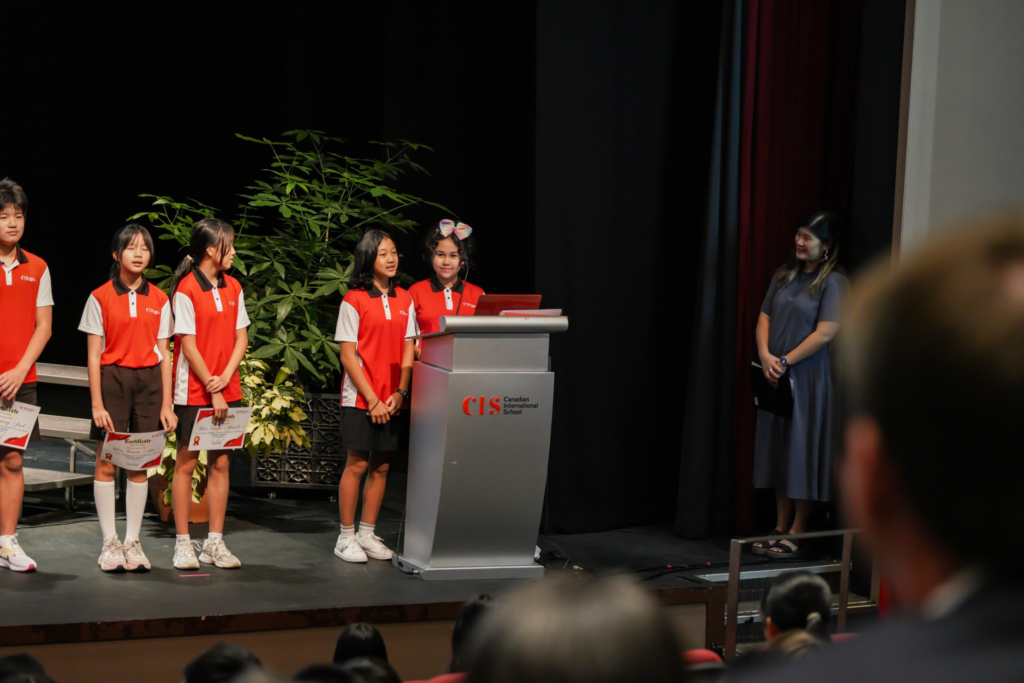
Located at 7 Jurong West Street 41, the Canadian International School (CIS) offers a variety of engaging summer camps for teens aged 12-14. One exciting option is the Scuba Diving Camp, where participants will learn the steps to become a PADI-certified diver. This includes lessons on marine conservation, first aid, diving concepts, and various techniques. The camp runs from July 15 to 19, from 9:00 am to 3:00 pm, and costs S$780.00.

CIS also offers the Makers Creators Camp, where teens can unleash their creativity by creating beautiful projects, upcycling materials, and exploring painting. This camp is held from July 22 to 26, from 9:00 am to 3:00 pm, and costs S$750.00. 

For those interested in technology, the RoboMaze Camp teaches robotics fundamentals, programming skills, and problem-solving through hands-on activities. It runs from July 8 to 12, from 9:00 am to 3:00 pm, with a fee of S$780.00. 

Lastly, the Woodwork Wonder Camp is perfect for budding artisans, allowing them to craft their very own wooden tractors from scratch. This camp is available from July 1 to 5, from 9:00 am to 3:00 pm, and costs S$750.00. For details on other camps, you can check the CIS website.

3. Berlitz Singapore

Photo by Berlitz Singapore on Facebook

At Berlitz Singapore, the legacy of language learning continues with the Berlitz Method, which was invented in 1878 and remains the most effective technique used today. This renowned method offers the fastest and most efficient way to learn a new language while providing valuable cultural understanding. Whether your teen is a beginner or looking to enhance their language skills, Berlitz equips them with the necessary skills and confidence to start speaking a new language fluently.

Located at 391B Orchard Road #16-01 Ngee Ann City Tower B, Berlitz’s English Summer Camp runs from May 27 to June 21, 2024. Teens aged 10 to 16 can immerse themselves in a cosy and supportive learning environment. This camp provides a holistic experience where teens can engage with the language in real-life contexts while building friendships and cultural awareness.

4. Believer Music

Photo by Believer Music on Facebook

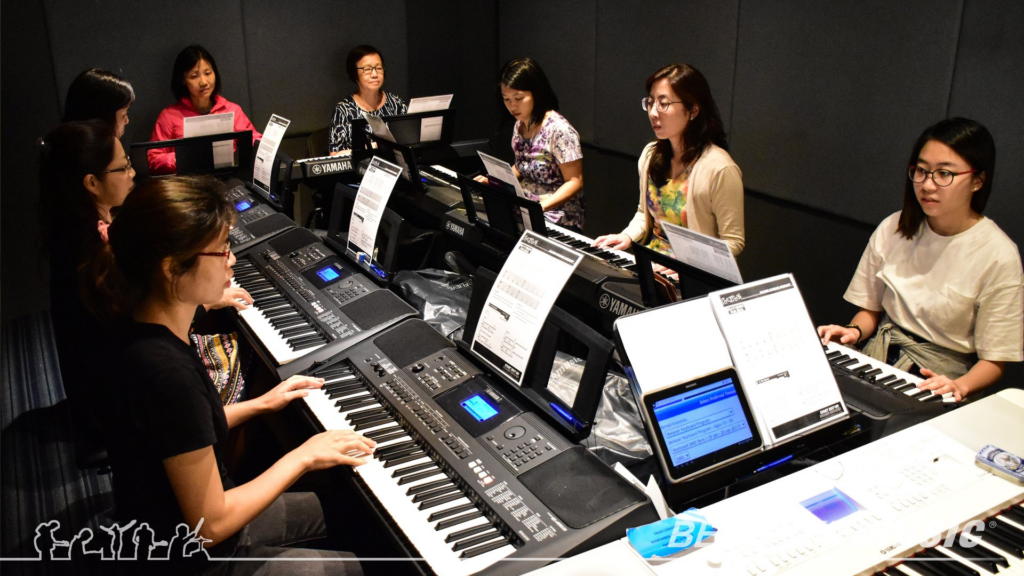
Believer Music presents the Music Adventure Camp 2024, a dynamic summer camp crafted to ignite teens’ passion for music. Located at International Plaza (IP), 10 Anson Road #03-28, the camp spans five hours each day and is divided into two age groups – kids aged 7-11 and those aged 12-16. Participants embark on an immersive journey, exploring four different instruments to gain insight into various musical styles and techniques.

Music isn’t just about melodies and rhythms; it’s also about nurturing valuable life skills. Believer Music recognises this and emphasises the holistic benefits of music education. Through the Music Adventure Camp, teens not only develop their musical abilities but also gain social skills, build self-confidence, and cultivate traits like creativity and self-discipline. 

5. SITA Tennis Academy

Photo by SITA Tennis Academy on website

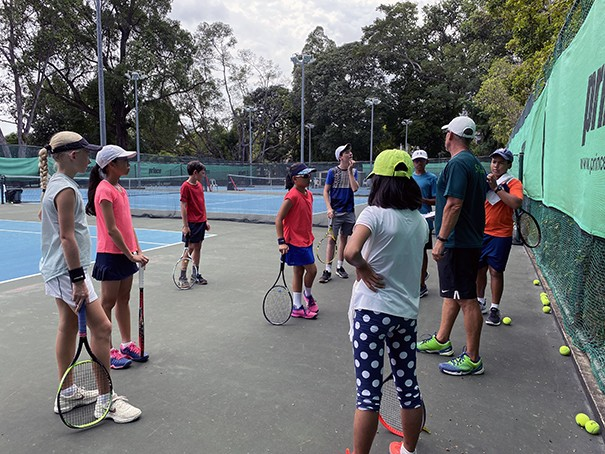
Catering to kids aged 5 to 18 years old of all ability levels, SITA Tennis Academy provides tailored programs for beginners and competitive school team players alike. With a team of highly qualified international coaching staff, SITA is dedicated to guiding students through their passion and dedication to the sport.

At SITA, teens can immerse themselves in a dynamic tennis experience with daily point and matchplay sessions. They have the option to choose between two exciting camps: Laguna Tennis Camps, located at Laguna National Golf Resort Club, priced at $450, or SJII Tennis Camps, situated at SJI International, also priced at $450. Whichever camp they choose, participants can expect top-notch coaching, thrilling matches, and a supportive environment to hone their tennis skills and passion.

6. All That Jazz Dance Academy

Photo by All That Jazz Dance Academy on Facebook

All That Jazz Dance Academy, a prominent dance school in Singapore, is dedicated to promoting the art of dance through performance, education, and outreach. Offering a wide variety of dance programs for all ages, including Ballet, Jazz, Tap, Street Dance (Hip Hop Dance), Musical Theatre, Acro, Lyrical, and Contemporary, the academy caters to dancers of diverse interests and skill levels.

In 2024, All That Jazz Dance Academy offers its exhilarating Summer Dance Camp, running from May 27th to August 2nd. These programs are designed to be both fun and enriching, focusing on crafting performances that showcase dancers’ talents and creativity. At the end of each week, parents have the opportunity to enjoy a short showcase of their children’s achievements. 

For teens aged 7-17, the camp offers exciting options like the TikTok Super Star – Street Dance, where participants explore and learn the latest dance trends from TikTok, and the K-POP Music Show, where they can master iconic K-pop dance moves and steps. 

With a price of $381.50, these camps provide an immersive dance experience at three convenient studio locations: Forum The Shopping Mall, 583 Orchard Road; 10 Winstedt Road (Near Newton MRT); and i12 Katong, 112 East Coast Road. 

For kids looking to explore further productive yet enjoyable summer activities, be sure to check out ‘5 Educational Courses for Kids in the Holidays’ and ‘School Breaks: 5 Ways for Students to Thrive’

10 Educational Places to Visit in the June School Holidays 

Nadya Sharfina · June 3, 2024 · Leave a Comment

"With the June holidays approaching, plan educational outings in Singapore where kids can learn while having fun, from historical sites to museums and animal encounters."

With the June holidays approaching, why not plan some educational outings for your children? Singapore offers plenty of places where kids can learn while having fun. From historical sites to museums and even animal encounters, there’s something for every interest.

In this article, we’ll explore eight of the best educational spots to visit in Singapore during the school holidays. Get ready for a blend of learning and enjoyment that the whole family will love!

1. Yakult Factory 

Photo by yakult.com.sg

The Yakult Factory is an excellent destination for children to learn about the science behind probiotic drinks, the company’s founder, and its history. Since 1987, Yakult Singapore has opened its doors to the public, offering educational tours of its state-of-the-art plant. These tours provide a unique glimpse into the production process of Yakult and highlight the importance of gut health. Over the years, approximately 400,000 visitors, from preschoolers to senior citizens, have toured the facility. 

The Yakult Factory tour operates from Mondays to Fridays, excluding public holidays, and adjusts its schedule during school holidays to accommodate more visitors. The factory is located at 7 Senoko Avenue, Singapore 758300. 

2. Singapore Air Force Museum

Photo by mindef.gov.sg

The Singapore Air Force Museum is an ideal destination for children who are fascinated with aeroplanes or those who dream of becoming pilots! The museum serves as a physical embodiment of the history, heritage, and values of the Republic of Singapore Air Force (RSAF). Established at Changi Air Base on 1 September 1988, the museum has significantly evolved over the years. 

The museum features both indoor and outdoor exhibits. Inside, visitors can learn about the history and mission of the RSAF through interactive displays and engaging role-playing games. Outdoors, you can get up close with various fighter jets, missiles, and anti-aircraft systems, discovering their stories and contributions to the RSAF’s growth. Located at 400 Airport Road, Singapore 534234, the Air Force Museum is open from Tuesday to Saturday, 9 am to 4 pm, and is closed on Sundays, Mondays, and public holidays.

3. Hay Dairies Goat Farm 

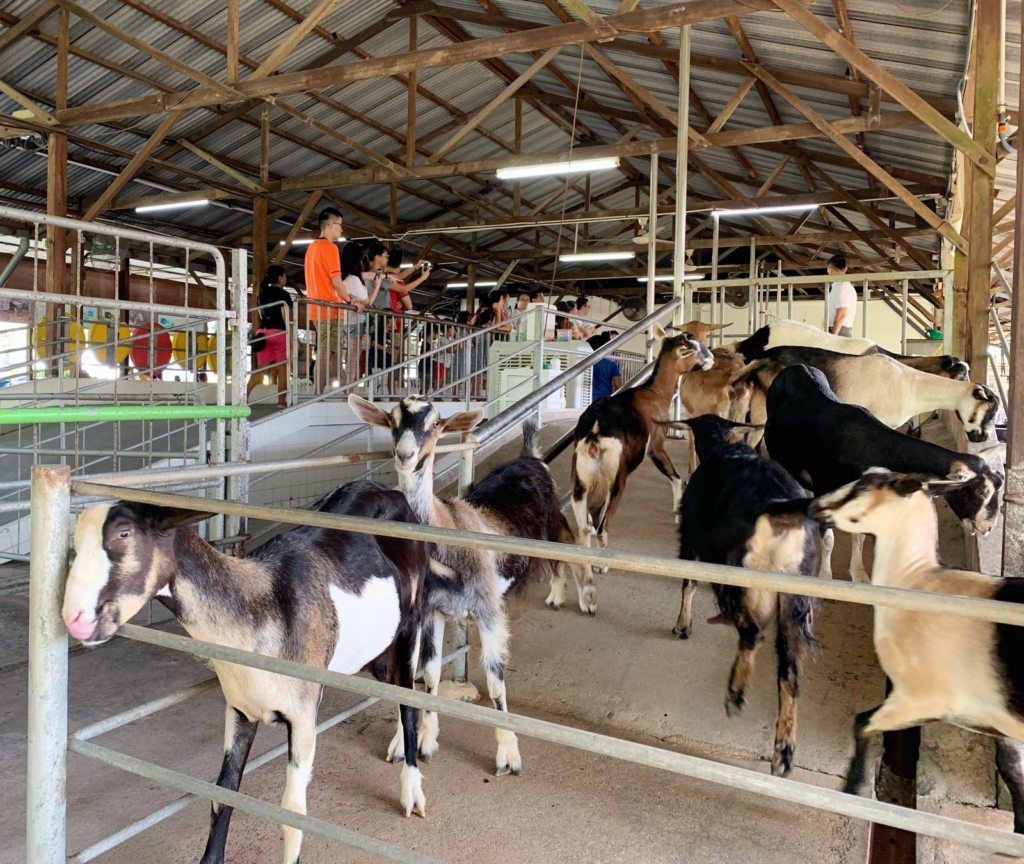
Caring for the goats is part of the daily routine for the dedicated farmers at Hay Dairies, who handle everything from milking and feeding to nurturing the goats. Visitors can participate in an educational orientation led by an experienced in-house goat farmer, offering a detailed look into the operations and care involved in goat farming. You can ask any questions and learn more about life on a goat farm and the farmer will be happy to answer your queries, making it a rich and informative experience.

Discounts are available for the Morning Package, adding value to your visit. Hay Dairies Goat Farm is located at 250 Neo Tiew Crescent, Singapore 719866, and operates daily from 9:00am to 4:00pm, except on Tuesdays when the farm is closed. This visit is a fantastic way to learn about agriculture and animal care in a hands-on environment.

4. Children’s Museum Singapore

The Children’s Museum Singapore, formerly known as the Singapore Philatelic Museum, is located at 23-B Coleman Street. The museum is housed in a historic double-storey colonial building that once served as a boys’ school and bookstore, and was formerly part of the Anglo-Chinese School. As the first museum in Singapore dedicated to children 12 years old and below, it offers a unique and engaging educational experience.

This June, the museum is hosting several exciting events. ‘Travelling Art Cart: Art Across Time’ on 14 and 15 June 2024, transports children to the vibrant streets of 1950s and 1960s Singapore. Kids can engage in self-guided, interactive activities, roleplaying as hawkers and immersing themselves in the bustling scenes depicted in the artwork. 

Another event is ‘Oodles of Noodles’ on 15 and 22 June 2024, where children can learn about Singapore’s hawker culture, explore innovative recipe ideas on Armenian Street, and even craft their own ‘Oodles of Noodles’. Other upcoming events include ‘Let’s Cook Up a Storm’ on 1, 8, and 15 June 2024, and the ‘Children’s Season 2024 Stamp Booklet Activity’ running from 25 May to 23 June 2024. For more details and a complete list of events, be sure to visit the museum’s website.

5. Indian Heritage Centre

Since its opening in May 2015, the Indian Heritage Centre (IHC) has welcomed visitors to explore the rich tapestry of the Indian community in Singapore. The centre features five permanent galleries that showcase an array of eye-catching artefacts, from treasured heirlooms and jewels to beloved diaries and family photographs. A journey through the IHC begins in the 1st century, documenting the early interactions between South and Southeast Asia, and continues to highlight the significant contributions of Indian Singaporeans to the island’s development.

To enhance the visitor experience, the IHC has thoughtfully incorporated holograms, virtual guides, and interactive gameplay throughout the exhibits. Located at 5 Campbell Lane, Singapore 209924, the centre offers free admission for Singaporeans and Permanent Residents. The IHC is open from 10 am to 6 pm, Tuesday through Sunday, and is closed on Mondays.

6. River Wonders

River Wonders is Asia’s first and only themed wildlife park. You can marvel at the world’s largest freshwater aquarium, home to an impressive array of animals including manatees, red-tailed catfish, red-bellied piranhas, electric eels, giant otters, and many more. A boat ride offers an exciting way to see and hear the diverse species from the Amazon, bringing a piece of the rainforest to Singapore.

Located at 80 Mandai Lake Road, Singapore 729826, River Wonders is open daily from 10:00 am to 7:00 pm. You can explore the water’s edge to discover a variety of fascinating creatures and learn about their unique traits and care.

7. Madame Tussauds Singapore

Photo by madametussauds.com

Madame Tussauds Singapore stands out as the ultimate entertainment destination, boasting over 80 lifelike wax figures of international superstars and Singaporean celebrities. Located at 40 Imbiah Rd, Sentosa, Singapore 099700, this iconic attraction is divided into four zones.

In the ‘VR Racing Experience’ zone, thrill-seekers can buckle up for a heart-pounding virtual reality ride with racing cars, lasting approximately 10 minutes. Here, you’ll find a wax figure of motorsports racing driver Lewis Hamilton. Meanwhile, the ‘TV & Film’ zone showcases wax figures such as Audrey Hepburn, Marilyn Monroe, Daniel Craig, Vin Diesel, and more Hollywood actors and actresses. 

The ‘Sports’ zone brings visitors close to the world’s biggest sports stars, including footballers like Cristiano Ronaldo, boxer Muhammad Ali, tennis player Serena Williams, and basketball icon Yao Ming. Finally, the ‘IIFA Awards Experience’ allows guests to relive the glamour of Bollywood with wax figures of stars like Shah Rukh Khan, Kajol, and Shahid Kapoor. Open every day from 10 am until 6 pm, Madame Tussauds Singapore invites you and your family to explore and immerse yourselves in the world of fame and entertainment.

8. Sun Yat Sen Nanyang Memorial Hall

The Sun Yat Sen Nanyang Memorial Hall is a valuable educational destination for families, offering insights into history and heritage. As a national monument, it holds significant importance in Singapore’s historical narrative. The memorial hall sheds light on lesser-known details of Singapore’s involvement in the 1911 Revolution.

Located at 12 Tai Gin Road, Singapore 327874, the memorial hall is open from Tuesday to Sunday, with operating hours from 10 am to 5 pm. Closed on Mondays, it offers free admission for Singaporeans and Permanent Residents. Visitors can also enjoy free guided tours of the memorial hall’s permanent galleries and special exhibitions daily.

9. Sri Mariamman Temple

Sri Mariamman Temple, located in the heart of Chinatown, is a significant landmark with its striking ornamental tower entrance, known as a gopuram. Visiting this temple offers a unique opportunity to learn about Hindu culture and traditions while marvelling at its intricate architecture.

The temple operates daily with morning hours from 6:00 am to 12:00 pm and evening hours from 6:00 pm to 9:00 pm. Visitors are expected to follow a basic dress code: shoulders must be covered, and trousers or skirts should cover at least the knees. It’s best to avoid anything too tight, too short, or too revealing. For those not appropriately dressed, the temple provides shawls, cover-ups, and wraps. Additionally, footwear must be removed before entering the temple premises.

10. Reflections at Bukit Chandu

Reflections at Bukit Chandu is a World War Two interpretative centre that commemorates the Battle of Pasir Panjang and the valiant men of the Malay Regiment who fought in it. This centre, housed in a historic bungalow closely connected to Bukit Chandu’s past, provides an immersive experience with contextual artefacts that present a multi-faceted look at the history of Bukit Chandu and Pasir Panjang. It’s a place where visitors can reflect on the nation’s wartime experiences and the brave sacrifices of the soldiers.

Among the artefacts on display are a British army personal kit, a Malay Regiment walking-out dress, a Malay Regiment sculpture, opium labels, and many more. Reflections at Bukit Chandu is open from 9:30 am to 5:00 pm, Tuesday to Sunday, and closed on Mondays, except for public holidays. Located at 31-K Pepys Road, Singapore 118458, this centre is a poignant and educational destination for those looking to learn more about Singapore’s wartime history.

For more of the best places to visit with family in Singapore, check out March Holidays: 5 Epic Activities in Singapore!, Big Fun: Five Awesome Activities for Kids in SG, and Best Restaurants with Play Areas in Singapore.

How to Motivate the Unmotivated Kid

Nadya Sharfina · May 24, 2024 · Leave a Comment

"Discovering ways to make learning more engaging and providing support can help transform a reluctant student into a motivated learner."

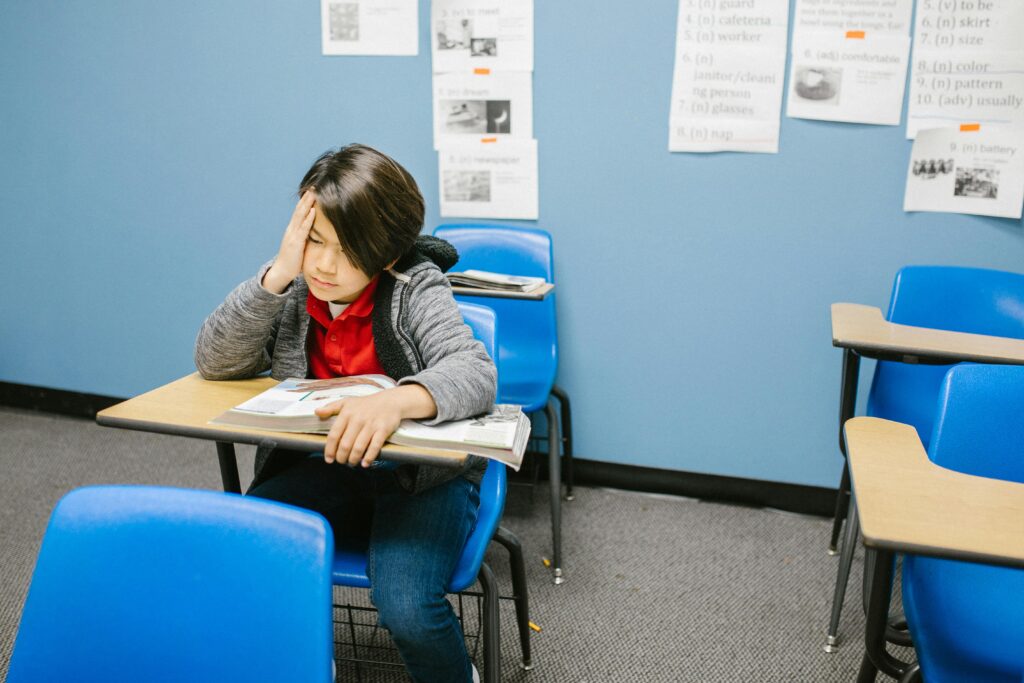
For some kids, school can often be a bit of a drag. It can sometimes turn even the most enthusiastic child into a reluctant student. From repetitive activities to challenging subjects and uninspired teaching, there are plenty of reasons why your kid might be feeling less than motivated.

Maybe they struggle to grasp certain subjects, find it hard to connect with a particular teacher, or simply feel bored and uninspired by the material. It’s natural for these frustrations to dampen their enthusiasm and leave them feeling unmotivated to put in the effort.

In this article, we’ll explore five effective strategies to help motivate your unmotivated kid. From finding ways to make learning more engaging to providing the support and encouragement they need to thrive, we’ll cover practical tips that you can implement to reignite your child’s passion for learning.

Leave the Comfort Zone

Photo by Ketut Subiyanto on Pexels

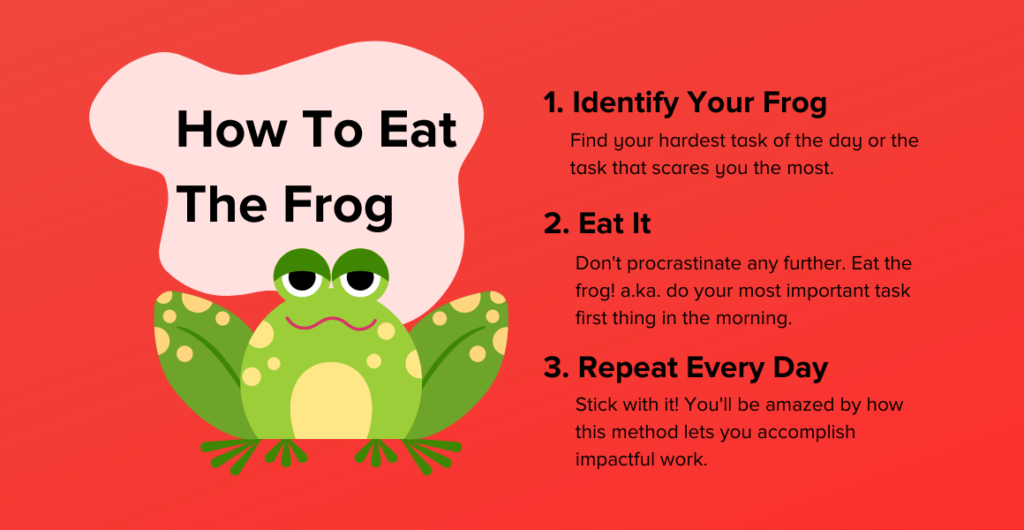
Expanding your child’s horizons can be incredibly beneficial for their overall development. Encouraging them to step outside their comfort zone allows them to experience new things, become more creative, and learn how to adapt to situations that might initially seem intimidating. This process is essential for supporting their personal growth.

Encourage your child to avoid falling into patterns of laziness, procrastination, or neglecting their homework by sticking to a daily habit related to productivity. Following the same unproductive routines can keep your child’s situation stagnant, preventing them from growing in the right direction and potentially taking an emotional toll. Instead, suggest small, manageable challenges to start with, such as practising maths problems or simply reading a book for just 15 minutes a day. These small changes can make a big difference over time.
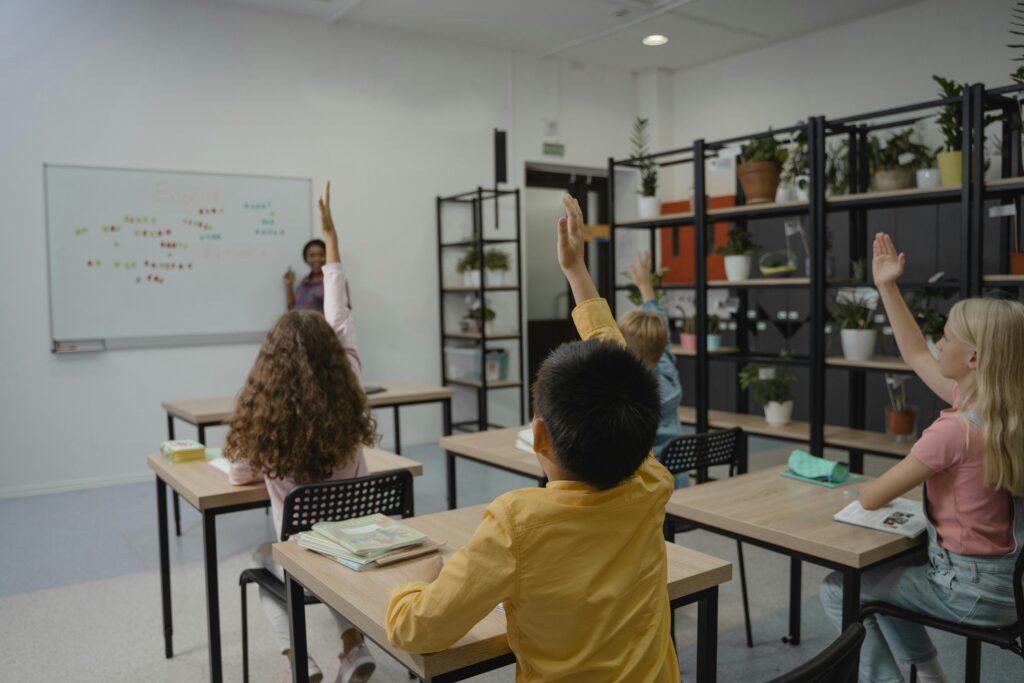
As they begin to leave their comfort zone, your child may realise that their fears weren’t as daunting as they had imagined. It’s natural to feel insecure in the face of change, but it’s important to address these fears before they become paralysing. By gradually embracing new challenges, your child can build resilience and confidence.

Moving forward, your child will likely look back with pride at how far they’ve come. They’ll appreciate the progress they’ve made and the personal growth they’ve achieved from overcoming their initial fears and stepping out of their comfort zone.

Try A New Way of Learning

Photo by chiến bá on Pexels

In today’s digital age, social media offers a plethora of educational content that can captivate your child’s interest. Platforms like YouTube, TikTok, and Instagram are not just for entertainment; they also host a wide array of informative videos on nearly every subject imaginable.

It’s important not to underestimate the potential of these social media platforms. Your child can discover new and intriguing information that could enhance their grades and give them an edge in exams simply by exploring topics they are genuinely interested in. Watching and listening to these videos can offer your child a fresh perspective or a new way of understanding a subject, making the learning process more dynamic and enjoyable.

Moreover, this method of revising is quite low-key. It’s something your child can engage in while they’re on the go, making it a flexible and convenient option. Whether they are eating at a restaurant, on vacation, or just on the way to school, they can easily access educational content on social media. This constant exposure to learning material can make a significant difference in their overall academic performance without the pressure of traditional studying.

At curio.sg, we provide several platforms tailored to various learning needs. If your child has a passion for English literature, our Free Resources are an excellent place to start. For additional fun facts and study tips, be sure to check out our YouTube channel and Instagram page. These platforms are designed to make learning engaging and accessible.

Join a Study Group

Photo by RDNE Stock project on Pexels

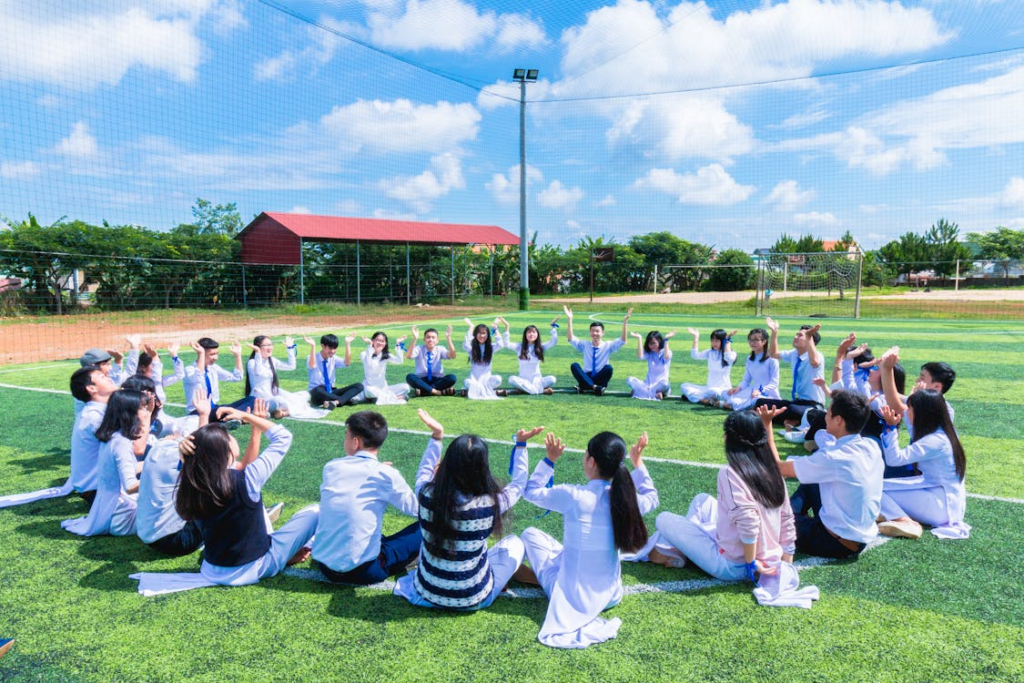
Joining a study group can be a great way for your child to socialise while also improving their academic performance. Being part of a group helps them connect with peers, share ideas, and learn collaboratively in a supportive environment.

To make the most of a study group, encourage the members to create a study plan together. This could involve rotating study sessions at each other’s homes after school or meeting at the library on weekends. Establishing a regular schedule will help everyone stay on track and benefit from consistent group support. Check out How to Set Goals and Achieve Them in the New School Year

Setting collective goals within the study group can be highly motivating. This not only drives your child to achieve more but also inspires and influences others in the group. Seeing a friend’s achievements can serve as a powerful motivator, fostering a sense of healthy competition and mutual encouragement.

Visualise Before Taking Action

Photo by George Pak on Pexels

One effective way to motivate unmotivated kids is to help them visualise the benefits of taking action. First get them to close their eyes and imagine what they see themselves as when they are happy and thriving. Then, get them to draw a picture of themselves as being successful in the future, academically or otherwise. You can then get them to put this aspirational picture up in their room or above their study desk. This is a simple but powerful visualisation technique. 

Encourage them to see starting as a parallel process to a plane on a runway. Just like a plane needs to gather speed before it can take off, it might start slow, but eventually, it’ll gain momentum and soar toward success. This visualisation can help them understand that taking that initial step is the key to progress and achievement.

Give Time Limits

Photo by JESHOOTS.com on Pexels

Setting time limits can be a game-changer when it comes to motivating your unmotivated child. By breaking down tasks into manageable chunks and assigning each one a specific time slot, you can help them stay on track and make steady progress.

Start by breaking down their study load into bite-sized goals and fitting them into a schedule that works for them. Encourage them to create a weekly schedule as a starting point to give it a try. It’s important to make the schedule specific and detailed. For instance, rather than simply stating they have to study three days a week, specify the exact times and days they’ll be studying, such as from 6 PM to 9 PM on Monday, Tuesday, and Thursday. This level of detail helps your child stick to the plan and reduces the likelihood of procrastination.


Once the schedule is in place, make sure to check in regularly to see if they’re sticking to it and accomplishing their tasks on time. Providing this accountability can help them stay motivated and focused on their goals.

If the weekly schedule proves effective, consider expanding it into a monthly or even longer-term plan. The more specific and intentional you can be about scheduling study tasks, the more successful your child will be in managing their time effectively and achieving their academic goals. By giving time limits and structuring their study time, you’re empowering your child to take control of their learning journey and maximise their potential.

Check out more parenting tips and articles such as 8 Effective Ways to Study Maths for Your Kids, How to Minimise Distractions for Kids During Study Time, and Preparing for PSLE Throughout the School Year.

7 Tips to Help Your Kid Become a Top Student

Nadya Sharfina · May 6, 2024 · Leave a Comment

"Every parent dreams big for their child's success, but remember, all kids are inherently smart. Unlock your child's potential with a dash of motivation and the right guidance."

Every parent dreams of their child being the top student in class or even in the nation. It’s natural to have big aspirations for your kids! Here’s the thing: all kids are smart; they just need a little motivation and the right guidance to unlock their potential. This article is all about giving you the tools you need to help your child succeed. We’ve got 7 strategies lined up to make it happen. So, let’s dive in and get your child on the path to academic greatness!

1. Get to Know How Your Kid Learns

Photo by Johnny McClung on Unsplash

Understanding how your kid learns can significantly impact their academic performance. Kids have different styles when it comes to studying, and knowing what clicks for them can make a big difference. As the adage goes, “Everybody is a genius. But if you judge a fish by its ability to climb a tree, it will live its whole life believing that it is stupid.” 

Some kids do well with background music, while others need silence. Some prefer studying alone, while others thrive in group settings. Some excel in structured classrooms, while others benefit more from personalised attention like tutoring or extra classes. Check out Our Programmes to help your kids ace English, GP or Literature.

Timing matters too. Some kids learn best right after school, while others are sharper in the evening after dinner.

There’s no one-size-fits-all approach to success. Each kid has their way of learning. As long as they feel comfortable and see progress, they’ll figure out what works best for them. Encouraging this self-awareness helps them grow academically and feel empowered.

2. Pay Attention to Details

Photo by Katerina Holmes on Pexels

In a world where instant gratification has become the norm rather than the exception, it is not uncommon to see kids become impatient at having to slow down and get into the weeds. For example, when a teacher sets a requirement like “Include three different sources in your paper,” it’s not a suggestion, it’s a necessity. Your kid needs to ensure they meet these criteria to demonstrate attentiveness and a willingness to put in the effort. Emphasising the importance of paying attention to details will not only be important for their academic lives but an important habit to have for their future careers as well. These foundational habits—attention to detail and diligence—naturally extend into other critical areas of responsibility, such as time management.

Meeting deadlines is equally crucial. If an assignment is due the next day at a specific time, your kid should aim to submit it well before the deadline. While procrastination might seem tempting, it rarely leads to a positive outcome.

Unfortunately, not everyone recognises the importance of paying attention to details. Some students miss the mark or fail to see its significance. Teachers use adherence to instructions as a measure of discipline and attention to detail.

3. Different Subject, Different Method

Photo by Karolina Grabowska on Pexels

Recognising that different subjects call for different study methods can greatly improve academic performance. It’s akin to having a toolbox with specific tools for specific tasks.

For subjects like Maths, Physics, and Chemistry, a hands-on approach is essential. Practice solving questions and memorising formulas diligently, as they are fundamental for answering problems effectively. The more questions you solve, the better these formulas will stick in your mind. Check out ‘8 Effective Ways to Study Maths for Your Kids’

On the other hand, subjects like English and History require a different tactic. Here, emphasis should be on reading and comprehension. When tackling reading assignments, skim through headlines and bullet points to quickly grasp the main ideas. Focus on introductory and concluding paragraphs, as well as the opening sentences of each paragraph, as they often contain crucial information.

To further enhance critical thinking skills, expose them to a variety of genres. Fiction as well as non-fictional material such as newspapers, magazines and biographies will help. Encouraging exploration of controversial or challenging texts can broaden their perspectives and deepen their analytical abilities. Check out ‘The Lessons Hidden in Banned Books for Teenagers’

Each subject presents its own set of challenges and requirements, so students need to adjust their study methods accordingly.

4. Start Assignments Early

Photo by Katerina Holmes on Pexels

One of the secrets to success in academics is a simple yet powerful principle: don’t procrastinate. Starting assignments promptly can significantly improve your kid’s academic performance.

Encourage them to kick off assignments as soon as possible. This early start provides ample time for completion and allows for crucial revisions and feedback from teachers.

By beginning the assignment ahead of time, your kid gives themselves the luxury of contemplation. They can mull over their topic, carefully plan their approach, and even seek input from others before finalising their work.

Seeking a second opinion on the assignment is invaluable. Another person can catch overlooked mistakes, ensure the clarity of arguments, and facilitate discussions with the teacher well before the due date.

Starting assignments promptly also helps alleviate stress. Knowing they’re not racing against a last-minute deadline brings a sense of peace of mind.

Instilling the habit of beginning assignments early equips your kid with valuable skills for academic success. It’s a proactive approach that enhances the quality of their work and cultivates responsibility and time management.

5. Charting a Path to Success

Photo by Suzy Hazelwood on Pexels

Think of it as charting a course on a map; knowing your destination is essential for reaching it. Encourage your kid to write down their dreams and aspirations, whether it’s becoming a doctor, a mathematician, a teacher, or an artist.. Having a specific goal provides direction and purpose. Check out ‘How to Set Goals and Achieve Them in the New School Year’

Set specific achievable goals with your kid, both short-term and long-term, and develop actionable plans to reach them. Setting goals helps them stay motivated and focused on their objectives.

For instance, if they aspire to become a doctor, a short-term goal could be achieving top grades in science and maths classes this semester, while a long-term goal might involve gaining acceptance into a reputable medical school after completing undergraduate studies. 

Help them develop actionable plans to achieve these goals, which may involve setting aside dedicated study time, seeking academic support if needed, participating in extracurricular activities related to their interests, and actively engaging with their educational journey. 

Emphasise the importance of setting goals as a means to stay motivated and focused on their objectives, encouraging them to regularly review and adjust their goals as they progress towards their desired career path.

6. Adaptability and Resilience

Photo by August de Richelieu on Pexels

When students encounter challenges, ensure they don’t crumble but instead help them adapt and keep pushing forward. As parents, nurturing these qualities in your kid can significantly boost their academic and personal development.

First off, it’s crucial to understand that setbacks aren’t dead ends but rather opportunities to learn and grow. Encourage your kid to see failures as stepping stones rather than stumbling blocks. By instilling this mindset, you’re equipping them with the resilience to handle life’s twists and turns.

Next, teach your kid the importance of learning from mistakes. Whether it’s a disappointing test grade or a project that didn’t go as planned, encourage them to reflect on what went awry and how they can do better next time. Embracing this reflective approach helps foster a growth mindset that propels them forward. Check out ‘How to Handle Your Child’s Bad Reports’

7. It’s Normal to Fear Failure

Photo by RDNE Stock project on Unsplash

We all experience the fear of failure at some point, and that’s okay.  However, letting fear paralyse us can hinder our kid’s performance, especially when facing challenges. Fear can hold them back from reaching their full potential and may lead to unhealthy habits with long-term negative effects on their physical and mental well-being. You can teach your kid to take steps to prevent their worst-case scenario from happening, rather than feeling sluggish and unmotivated.

Acknowledging your kid’s fears is the first step to helping them overcome them. Instead of allowing fear to control them, we can encourage proactive steps to address its source. Planning and preparation are key in conquering fear. By facing their fears head-on and taking necessary precautions, our kids can diminish their impact on their lives.

Whether it’s exams, assignments, or other challenges, accepting that it’s okay for our kids to be afraid allows us to direct their energy toward positive action. Instead of allowing fear to limit them, they can use it as motivation to push themselves and achieve their goals.

A Parent’s Guide: Understanding IP, SAP, and SIS Schools

Nadya Sharfina · April 29, 2024 · 7 Comments

"Empower yourself with clarity to choose the right educational path for your child with our guide to understanding IP, SAP, and SIS schools in Singapore."

Understanding Singapore’s education system can sometimes be overwhelming due to its numerous programmes and options. However, having a range of options allows you to pick and choose the best learning journey for your child. One important decision parents often encounter is choosing between the Special Assistance Plan (SAP) and the Specialised Independent School (SIS). 

Understanding the distinctions between these schools will allow you to make an informed choice that matches your child’s academic goals and ambitions. In this article, we’ll break down what makes IP, SAP, and SIS schools different, giving you the clarity and confidence to navigate this crucial decision-making process.

The Integrated Programme (IP)

Photo by Pixabay on Pexels

The Integrated Programme in Singapore, known as the “Through-Train Programme,” is a special education track by the Ministry of Education (MOE). It’s designed for high-achieving students to smoothly transition from secondary to pre-university education without taking the usual GCE O-level exams (except for Higher Mother Tongue). Instead, they move directly to A levels, International Baccalaureate Diploma, or similar assessments at age 18 after six years of secondary education. Skipping the O levels gives students more time for diverse educational experiences and activities.

IP students have more flexibility in planning their studies from Year 1 to Year 4 compared to other students. This flexibility lets them explore various subjects and activities beyond academics, creating a more personalised learning journey.

In IP schools, students skip the O levels and go straight to Junior Colleges (JCs) in Year 5 (JC1) for advanced studies. This streamlined approach has become popular as an alternative to traditional secondary education.

The IP encourages students to take a more independent and project-based approach to learning, which helps develop critical thinking and creativity—skills valued in today’s workforce.

The programme has expanded to cover various subjects and activities, preparing students well for higher education and beyond. It helps cultivate analytical skills and a versatile skill set while allowing students to explore their academic interests.

Without the pressure of O-level exams, IP promotes holistic development through research projects, internships, and community service. These experiences enhance learning and nurture qualities like social responsibility and leadership, preparing students for success in a complex world.

List of Integrated Programme Schools in Singapore:

  • Anglo-Chinese School (Independent)
  • Catholic High School
  • Cedar Girls’ Secondary School
  • CHIJ St. Nicholas Girls’ School
  • Dunman High School
  • Hwa Chong Institution (Secondary)
  • Methodist Girls’ School
  • Nanyang Girls’ High School
  • National Junior College
  • NUS High School of Mathematics and Science
  • Raffles Girls’ School
  • Raffles Institution (Secondary)
  • River Valley High School
  • Singapore Chinese Girls’ School
  • St. Joseph’s Institution (SJI)
  • Temasek Junior College
  • Victoria School

The Special Assistance Plan (SAP) 

Photo by LI WEIBIN on Unsplash

The Special Assistance Plan in Singapore is an educational initiative tailored for students proficient in their mother tongue, particularly Chinese. SAP schools, also known as Chinese Schools, focus exclusively on Chinese-language education.

SAP started in the 1960s and 1970s when English became Singapore’s main language. Concerns about preserving Singapore’s Chinese heritage led Prime Minister Lee Kuan Yew to support keeping Chinese-medium schools.

In 1978, SAP was introduced by transforming nine Chinese-medium secondary schools into bilingual institutions of high academic standards, ensuring proficiency in both English and Chinese. Over the following years, as Chinese-medium primary schools decreased in number, the Ministry of Education expanded SAP to include more primary schools, totalling 15 schools.

One advantage of SAP schools is increased government funding to promote Chinese language learning and cultural activities. This support helps SAP schools acquire extra educational resources for activities like calligraphy classes and cultural events, enriching students’ understanding of Chinese heritage.

SAP schools are known for their excellent resources and academic standards, consistently ranking among Singapore’s top institutions. Some subjects are taught in Mandarin, enhancing students’ bilingual abilities. Also, students can participate in exchange programs with schools in China, gaining cross-cultural experiences and improving language skills.

The Special Assistance Plan reflects Singapore’s dedication to bilingual education and cultural heritage. By providing a supportive environment for students strong in their mother tongue, SAP schools preserve traditional values while equipping students for success in a globalised world. This program promotes academic excellence and fosters a deep appreciation for Singapore’s multicultural identity and linguistic diversity.

List of Secondary SAP Schools in Singapore:

  • Anglican High School
  • Catholic High School
  • CHIJ St Nicholas Girls’ School
  • Chinese High School
  • Chung Cheng High School (Main)
  • Dunman High School
  • Maris Stella High School
  • Nanyang Girls’ High School
  • Nan Chiau High School
  • Nan Hua High School
  • River Valley High School

List of Primary SAP Schools in Singapore:

  • Ai Tong School
  • Catholic High School (Primary)
  • CHIJ St Nicholas Girls’ (Primary)
  • Holy Innocents’ Primary School
  • Hong Wen School
  • Kong Hwa School
  • Maha Bodhi School
  • Maris Stella High (Primary)
  • Nanyang Primary School
  • Nan Hua Primary School
  • Pei Chun Public School
  • Pei Hwa Presbyterian Primary School
  • Poi Ching School
  • Red Swastika School
  • Tao Nan School

Specialised Independent Schools (SIS)

Photo by Rifqi Ali Ridho on Unsplash

Specialised Independent Schools in Singapore offer customised education for students with exceptional abilities and passion in specific areas like mathematics, sciences, sports, and the arts. Established by the Ministry of Education, these schools have special curricula to nurture and develop students’ potential in their chosen fields.

Unlike regular secondary schools that use the Secondary One (S1) Posting Exercise for admissions, Specialised Independent Schools have a different process. Interested students (except for those applying to the Singapore Sports School) go through the Direct School Admissions (DSA) process. This lets students directly showcase their talents, achievements, and potential to their desired schools.

Each Specialised Independent School focuses on a specific area, providing advanced courses and special training. For example, schools focusing on maths and sciences have challenging academic programs that highlight analytical thinking and problem-solving. Similarly, schools for sports or the arts offer intense training to develop students’ athletic or artistic talents.

The curriculum in these schools is designed to give a thorough education in the chosen field. Students get specialised resources, expert teachers, and facilities that support their growth and progress.

Specialised Independent Schools are vital in Singapore’s education system, meeting the unique needs and talents of gifted students. They encourage excellence and innovation in different fields, adding to Singapore’s reputation for talent development and education quality. By providing tailored education and advanced training, these schools empower students to succeed in their interests and contribute meaningfully to society.

List of Specialised Independent Schools in Singapore:

  • NUS High School of Mathematics and Science: focuses on Mathematics, Science, Technology and Engineering.
  • School of Science and Technology, Singapore: focuses on applied learning in Science, Technology, Aesthetics, Engineering and Mathematics.
  • School of the Arts: focuses on Visual, Literary and Performing Arts.
  • Singapore Sports School: focuses on Sports and Athletics.

To explore further parenting guidance on school-related matters, check out What Parents Need to Know About Secondary School Curriculum and All about Co-Curricular Activities: How to Choose the Right CCA for Your Kids

The Joys of Learning Online

Santhi Rebecca · April 9, 2024 · Leave a Comment

"Students faced challenges adapting to online learning during the pandemic. Now, Home Based Learning (HBL) is common in Singapore schools, offering convenience and enjoyment."

A lot of students – especially younger ones – realised to some trepidation that they had no choice but to figure out how to navigate learning online when the Covid-19 pandemic hit. Kids experienced everything from screen fatigue to technical difficulties, making an already challenging journey a tougher one all in all. 

Post-pandemic, HBL – or home based learning – is now a regular affair in almost every school in Singapore. Worksheets and instructions are regularly uploaded onto online learning platforms, giving students no more room to say things like “I didn’t hear the instructions” or “I can’t find the worksheet”. The online learning world comes with a slew of benefits which now make learning not just convenient, but a joy to experience as well. 

Everything is Easily Accessible

Photo by Andrea Piacquadio on Pexels

No matter where one is, all of a student’s work is easily accessible with a device and a wifi connection. Some students may find it easier to work from a cafe, in a study group with friends, or from a grandparent’s home. Having access to all of one’s learning materials in one place makes it incredibly easy to plan one’s study schedule. Not having to lug around files for four different subjects is a fantastic benefit of online learning. 

Another advantage that comes with accessibility is being able to search for any material with ease. A physical file involves having to rifle through months of notes, sometimes from previous years. With the ease that comes with an online learning platform, students never have to worry about where to hunt for that one particular worksheet or set of notes that they need. 

Every Message is Crystal Clear

Photo by Katerina Holmes on Pexels

Students often check with each other wondering whether a teacher asked them to complete one thing or another. In the tumult of school and constant influx of information, kids often forget or simply don’t hear something important. 

With online learning, this issue goes out the window. Instructions on what to do, how to do and when to submit can be clearly spelt out on a learning platform, giving students little excuse to be forgetful. Teachers and students can also interact on a chatboard, clarifying, checking in and even providing feedback. The online medium has changed the way kids take in information, providing them with reinforcement and security. 

This of course should not become an excuse to switch off during class. It is undeniably beneficial however, to have instructions spelt out clearly and not have to rely on just word of mouth. 

Ever So Fun: Quizzes and Learning Tools

Photo by Julia M Cameron on Pexels

The internet is a rich source of information, knowledge and resources for learning. With online learning platforms, teachers can post videos, quizzes, links to additional notes and even recorded voice notes. With this plethora of resources and their availability online, teachers can easily curate learning materials for their students. Almost everyone remembers a teacher who droned on and on as our eyelids drooped. With a variety of learning tools, students will not need to be bored with learning ever again, and even the driest of topics will be rendered tolerable. 

Everything is So Neat

Photo by JESHOOTS.COM on Unsplash

Topics, sub-topics, worksheets, tests, additional notes, readings. These are often a mish-mash of papers, written notes or sometimes even a photograph of a whiteboard from school. With online platforms such as Google Classroom, one can search for a document or a piece of information with great ease, and without bothering to rifle through thick sets of notes filed months before. 

In an English class, teachers and students will be able to organise Comprehensions, Essays and Visual Texts under separate headings, ensuring that they will be easily found when needed. Similarly for other subjects, worksheets, notes, quizzes and resources can be organised by topic, ensuring that students will always be able to find what they are looking for on short notice. This becomes incredibly useful during the exam period.  

While it is still important to be able to have face to face sessions with teachers and fellow students, the convenience and effectiveness of online learning cannot be underestimated. The relief that comes from not having missed any instruction, the peace of mind from having neat notes and the wealth of resources accessible online go a long way towards helping students become the best learners that they can be.

If you are interested in online learning, try out one of our Curio tuition programmes today. Curio offers English Language and English Literature tuition for students offering the SEC, ‘O’ levels, ‘A’ levels and IP. 
There are 3 plans to choose from, Independent, Huddle and Focus. Independent students will have a dedicated coach who will provide marking and feedback without weekly lessons. Huddle group students will meet a coach 1x a week for 1.5 hours online. They are comfortable learning in groups of 8. Focus group students will meet a coach 1x a week for 2 hours online. They are comfortable learning in groups of 5. 

Practice Papers and consistent feedback are provided throughout the week for all students. Try us out today! English Language ‘O’ Level Programme.

6 Tips for Choosing a Secondary School for Your Kids

Nadya Sharfina · April 5, 2024 · 1 Comment

"Selecting the ideal secondary school for your child can be daunting. Prioritise your child's enthusiasm and support, and use these six tips to make the best decision for their future."

As parents, trying to find the perfect secondary school for kids can be a bit of a head-scratcher. Your preferences matter, but ensure your child feels enthusiastic and supported.  Whether you are just starting the decision-making process or narrowing down your options, these six suggestions will help you make the greatest selection for your child’s future.

1. Visit All the Potential Schools During Their Open House

Photo by MELIANI Driss on Pexels

One of the most important aspects of selecting the ideal secondary school for your child is doing school visits. You can learn about the school’s track record, visit its facilities, and learn about their values. It’s an opportunity for both you and your child to see the school in action, observing the current students bustling about, interacting with teachers, and getting a sense of the overall vibe. 

Immersing yourself in the location provides crucial information that cannot be obtained from a brochure or website. When you have this entire perspective, the decision-making process becomes clearer since you are armed with direct knowledge rather than hearsay.

However, amidst the excitement of visiting different schools, it’s essential to maintain a critical eye and not succumb to peer pressure or popular opinion. While the experiences and recommendations of others can be valuable, they shouldn’t dictate your decision entirely. It’s easy to be swayed by the consensus or reputation of a particular school, but each child is unique, and what works for one may not necessarily work for another. 

By remaining open-minded and not being swayed by external perceptions, you may ensure that your decision is in line with your child’s specific requirements and preferences. The goal is to choose a school where your child may prosper academically, socially, and personally.

2. League Table Consistency

Photo by THIS IS ZUN on Pexels

Once you’ve familiarized yourself with the schools in your area and created a shortlist, the next step is to research league tables and guidelines to help you make your decision. League tables provide an overview of a school’s success, but they are not the be-all and end-all. Schools’ rankings may change due to a variety of reasons, and a single score does not necessarily convey the complete quality of a school.

When checking league tables, note the consistency of a school’s performance over time. A stable satisfaction level indicates reliability in education delivery. This way, you can make a well-rounded decision considering various aspects of a school’s performance and ethos.

3. Ask Specific Questions

Photo by Thirdman on Pexels

Now it’s time to get down to the nitty-gritty and ask specific questions. Don’t hold back; it’s perfectly acceptable, even necessary, to inquire about every detail that could impact your child’s educational future. Being thorough in your inquiry ensures that you have a good understanding of each school’s offerings and how they relate to your and your child’s needs. It’s better to be well-informed from the start than to discover vital facts later, when it may be too late to make changes.

For example, ask about the extracurricular activities and groups accessible to students. These opportunities play an important part in building a well-rounded education by allowing students to pursue their interests and passions outside the classroom. Enquire about the variety of activities provided, including sports teams and academic clubs, as well as the level of student participation and engagement. In addition, check about class sizes and teaching methods used by the school. 

Consider the student-to-teacher ratio for insights into individual attention. Learn about teaching methods to understand lesson delivery, like hands-on activities or collaborative projects. Check school policies on homework and discipline to ensure they match your values, fostering a supportive learning environment. By asking these specific questions, you’ll be equipped to make an informed decision.

4. Check the School Facilities

Photo by Vlad Vasnetsov on Pexels

It’s essential to consider your child’s interests and passions. Take some time to explore what truly excites your child – whether it’s sports, drama, music, or any other hobby. Once you’ve identified their passion, inquire about the facilities the school offers in those specific areas. Are there well-equipped sports fields, a state-of-the-art auditorium for budding performers, or music rooms equipped with instruments?

While modern facilities are not the only factor to consider when selecting a school, they do play an important role in creating a great environment. A school with top-notch facilities upholds a certain standard of excellence. 

5. Listen to Your Child’s Opinion

Photo by Nicola Barts on Pexels

When selecting a school for your child, it is important to include them in the decision-making process. As a parent, it’s easy to depend exclusively on your instincts, but you must resist the urge to dictate what you believe is best for your child. Take the time to truly listen to their ideas and goals for their education. Engage in open discussions with them about the numerous possibilities available, and take their feedback carefully. After all, kids will be spending the next four years at the chosen school, so their viewpoint is important. At the same time, seeking input from other trusted sources can add depth to the decision-making process.

Talking to other parents can also provide valuable insights and recommendations that you might not have considered otherwise. Ultimately, maintain a positive outlook and trust in the collaborative effort between you and your child to make the right decision together. 

6. Always Have a Backup Plan

Photo by Thirdman on Pexels

Having backup plans prepared is a wise decision. Even if you’ve made your first choice, remember that the future is unpredictable. Life has a way of presenting us with unanticipated obstacles, and certain situations beyond our control may have an impact on your child’s educational journey. By having a second and even a third school option, you provide yourself a safety net and the ability to adapt if circumstances change.

Choosing the right school is crucial for our children’s future. Yet, not every school fits every child perfectly. Whether they struggle academically, feel out of place, or face social challenges, prioritize your child’s well-being above all else.

Instead of blaming your child or worrying about what others think, focus on addressing any issues that arise. Understand the difference between a settling-in period and when it’s clear the school isn’t the right fit. By recognizing problems and seeking solutions, you prioritize your child’s happiness and growth.

To learn more about the various possible programmes that your child can enroll in, check out our page: IP, IB or ‘O’ Levels. Which Path Should You Take?

How to Excel in School: All About Curio Classes

Santhi Rebecca · March 8, 2024 · 5 Comments

"At Curio Classes, education transcends mere exam preparation; it's about fostering meaningful connections, exchanging stories, and sharing wisdom, making each session special and memorable."

Curio Classes are more than just tuition sessions. They involve more than exam preparation and more than a two hour session a week. Curio classes are special – and memorable – because of the way our teachers connect with our students, the stories they exchange and the wisdom they share. As educators with many years of experience under their belt, our teachers are well equipped to handle both the cognitive and affective aspects of students’ lives. 

What happens in a Curio class? Here is what we cover in English and Literature Lessons at Curio!

Curio Classes – Online Tuition Programmes

Photo by Katerina Holmes on Pexels

At the time of writing, Curio offers English Language, English Literature and General Paper group tuition in online classes. We cover the ‘O’ level, ‘A’ level and the new Singapore-Cambridge Secondary Education Certificate (SEC) which is to be offered in 2027. We also teach students in the Integrated Programme (IP) be it English, Literature or Language Arts. 

How Do Online Lessons Work?

Photo by Armin Rimoldi on Pexels

Zoom

At Curio, we use Zoom for our video calls. Zoom allows for Curio teachers to connect with their students virtually, as well as to instruct using a virtual whiteboard – students can write on it too, making it an interactive way to learn. We also use breakout rooms for when we need to speak to a smaller group of students or even just one student in order to provide extra guidance. 

Google Classroom

Our learning platform is Google Classroom, which most students are very familiar with. We upload all worksheets, notes and resources on this page, as well as instructions. 

How We Work Together

During Zoom sessions, students will work on their individual Google docs. Teachers can view these documents and will work with students during lessons, often using the ‘Edit’ or ‘Comment’ functions to provide individual feedback. The best part about learning online this way is that students and teachers can continue to work on these documents after classes are over, ensuring that learning is reinforced. 

How Do Curio Teachers Ensure That Learning is Effective?

Photo by Katerina Holmes on Pexels

In line with our commitment to excellence, we have only NIE trained teachers with an excellent track record. At Curio, we do not believe that a two hour session is always sufficient for learning to be complete. We commit to ensuring that students have access to their teachers throughout the week for additional support. Students often don’t know what they don’t know, and with this in mind, teachers will provide materials and worksheets to enhance students’ understanding wherever they need it most. This ensures that weak areas are continuously worked on until students feel confident in their ability and the demands of the subject. 

Moreover, we acknowledge the significance of accessibility and flexibility in education. Thus, our online platforms for English Language, General Paper and Literature tutoring, enable students to participate regardless of their location.

English Language Tuition (Integrated Programme) – IP

Photo by Armin Rimoldi on Pexels

The Hook

Our IP English classes have fascinating themes and as such, teachers begin the lessons with a little hook. If the topic is on the environment for example, students might watch a little video or read a photo-essay about climate change. They will then be prompted to either reflect or discuss their thoughts on the topic which usually gives rise to a lively discussion! 

The Skill

Teachers will then guide students back to the focus of the lesson – be it essay writing, comprehension or critical response (AQ for JC students) – and will go into detail about a particular skill which students will be expected to harness by the end of the lesson. Examples of skills range from understanding characterisation in Narrative Writing to mastering the IYOW (in your own words) question for Comprehension. 

The Method

Once teachers have thoroughly gone through the skill that students are expected to pick up by the end of the class, they will introduce students to the content. This may involve planning out points for an argumentative essay, or coming up with examples for an application question. Teachers will alternate between group discussions and individual work at this point, utilising students’ personalised Google docs and breakout rooms on Zoom. 

English Language Tuition (‘O’ Levels or Singapore-Cambridge Secondary Education Certificate) – SEC

Photo by Mikhail Nilov on Pexels

The Hook

Our ‘O’ level or SEC English classes will have common themes which are tested for Orals, Listening, Comprehension and Essay Writing. As such, teachers will usually begin the lessons with a discussion around topics such as volunteering or technology. Students are prompted to discuss their thoughts on the topic and the teacher will go through a suggested response for an Oral examination. Some lessons include a mini listening comprehension as well, whereby students listen to audio or watch a video and then answer questions pertaining to what they heard. These hooks ensure that students are always kept in touch with these two particular components of the exam which are often left to the last minute. 

The Skill

Teachers will then guide students back to the focus of the lesson – be it essay writing, comprehension or situational writing. They will go into detail about a particular skill which students will be expected to harness by the end of the lesson. Examples of skills range from understanding how to use signposts and connectors while writing essays, to mastering the art of tone when writing proposals or articles for Situational Writing. 

The Method

Once teachers have thoroughly gone through the skill that students are expected to pick up by the end of the class, they will introduce students to the content. This may involve planning out points for an expository essay, or identifying answers correctly in a comprehension passage. Teachers will alternate between group discussions and individual work at this point, utilising students’ personalised Google docs and breakout rooms on Zoom. 

English Literature Tuition (‘O’ levels, SEC or ‘A’ levels)

Photo by Zen Chung on Pexels

As different schools are covering different novels, plays or poetry, we try to group students according to school or text. We even have classes which cover only Unseen Poetry (to the great joy of our JC students). Our Literature classes are incredibly enjoyable as students not only learn how to tackle the exams, they also learn empathy, appreciation and how to broaden their worldview. Classes for younger students typically begin with a quiz (with Kahoot, Blooket etc) to help them to remember the plot of a novel. We then go on to teach annotation and answering techniques (e.g using PEEL, PEAL or PEDAL). Older students benefit from an in depth discussion of a poet, playwright or novelist’s works. This is followed up with essay outlines or a detailed analysis of passage based questions.  

5 Simple Tips: Helping Your Child Ace General Paper

Nadya Sharfina · March 6, 2024 · 3 Comments

"Mastering General Paper demands more than just knowledge; it requires critical thinking and strategic preparation to excel at the challenging A-Level exam."

General Paper, known as GP, can be one of the toughest exams for students to face at the A Levels. It requires not just knowing about current events and global issues, but also thinking critically about them. Whether they want to improve their argumentative skills or become better at analysis, there are proven methods to boost their GP grades. In this article, we’ll share five tips to help your child ace the GP exam and reach their full potential!

1. Embrace the Power of Reading

Photo by Pixabay on Pexels

Improving English proficiency requires consistent exposure to the language, and one of the most effective ways to achieve this is through regular reading. Encourage your child to build a habit of reading academic articles, opinion pieces, and essays. If this feels too challenging at first, starting with fiction is a good alternative. However, prioritising nonfiction is essential when preparing for GP, as it strengthens critical thinking and language skills.

Research consistently shows that regular reading brings long-term benefits. Children who read frequently tend to perform better than their peers, both academically and professionally. To help your child succeed in GP, it’s important to nurture strong reading habits and emphasise the value of meaningful, substantial reading.

2. Keep Updated with Current Events

Photo by Markus Winkler on Unsplash

In General Paper, students are expected to have a broad understanding of various subjects ranging from history and politics to science and literature. There’s a practical way to keep your kids ahead of the curve: keeping them informed about current events.

Encouraging engagement with current affairs doesn’t mean burying their noses in heavy textbooks or scholarly journals. Instead, it’s about integrating the habit of staying updated into their daily routine. Consider recommending reputable news sources and popular news accounts on social media platforms. By doing so, they’ll receive a steady stream of updates and insights throughout their day, effortlessly keeping them in the loop with what’s happening around the globe.

As they immerse themselves in the world of current events, encourage them to pay attention to recurring themes, significant developments, and controversial issues. Encourage them to take note of stories that resonate with them or relate to topics they’ve encountered in GP. These real-life examples provide useful weaponry for creating arguments for their writings. By including current events in their GP preparation, they not only broaden their understanding of the world but also provide themselves with a diverse set of examples and views to support their arguments and analysis.

3. Engage in Thought-Provoking Discussions

Photo by Mimi Thian on Unsplash

Crafting an effective argument entails more than simply presenting one’s point of view; it also necessitates a thorough understanding of opposing ideas. Unlike expository essays which emphasise impartiality, GP essays rely on the art of persuasion along with a fair assessment of opposing points of view. Engaging your children in thought-provoking talks can be quite beneficial in developing this talent. These informal discussions provide an excellent opportunity to explore different points of view and challenge long-held ideas in a supportive and intellectually stimulating setting.

Consider enrolling your child in a JC GP Tuition class to enhance their learning, such as Curio GP classes, which offer lessons on essay writing strategies, comprehension and AQ. In these classes, students will explore various topics like social, political, economic, and environmental issues alongside their tutor and classmates. By approaching these issues from different perspectives, they’ll gain a better understanding of complex subjects and improve their critical thinking skills. Engaging in debates will help them develop stronger argumentative techniques and expand their knowledge.

As your children immerse themselves in these exchanges, remember the significance of embracing diverse viewpoints. Each perspective brings valuable insights and challenges, helping them understand complex issues better. Through active participation and open-mindedness, they’ll improve their ability to express clear arguments that resonate widely. 

4. Mastering Question Analysis

Photo by Kaitlyn Baker on Unsplash

Having extensive general knowledge and persuasive skills aren’t enough if your children struggle to understand essay questions accurately in General Paper. GP prompts often contain subtle nuances and tricky wording, so your children must identify and respond to key terms effectively to earn marks.

If they’ve grappled with writing essays that miss the mark, dedicating time to dissecting and analysing questions’ keywords can prove immensely beneficial. By honing their ability to identify critical elements within prompts, they’ll develop a sharper focus on crafting precise and relevant responses.

Pay close attention to nuances such as absolutes (e.g., never, always), question words prompting specific actions (e.g., Who will? When should? Is this true? Why did? Where did?), and terms signalling the topic at hand. Additionally, be vigilant for terms requiring clarification or definition (e.g., freedom, justice, equality, power). Through systematic examination and practice, they’ll cultivate a discerning eye for dissecting essay prompts, thereby enhancing their capacity to deliver cogent and on-point responses in their General Paper essays.

5. Active Learning Process

Photo by Zen Chung on Pexels

Actively learning new words and phrases boosts your child’s brainpower. When they engage in activities like reading, vocabulary exercises, or using flashcards, they’re exercising their memory and language skills. This deliberate practice helps reinforce their vocabulary over time, making it stick better.

Think of it like a workout routine for your child’s brain. Each time they actively interact with new words, they’re strengthening their ability to remember and use them. Whether they’re reading, doing exercises, or reviewing flashcards, every bit of practice counts toward expanding their vocabulary. By staying proactive in their learning approach, they’ll steadily build a richer vocabulary that enhances their language skills.

In conclusion, as you help your child gear up for the General Paper exam, it’s important to understand that success isn’t just about cramming facts. It’s also about nurturing critical thinking and communication skills. By emphasising the importance of reading, staying in the loop with current events, having meaningful discussions, mastering question analysis, and staying engaged in learning, you’re giving them the tools they need to do well. Encourage them to explore different ideas, challenge their own perspectives, and enjoy the journey of intellectual growth. 

Taylor Swift’s Songs in Literary Debate

Nadya Sharfina · March 2, 2024 · 10 Comments

"Taylor Swift's lyrics resonate worldwide, capturing hearts and sparking debate on their literary depth."

Only a few musicians in popular music capture the same level of attention and affection that Taylor Swift does. Swift has established herself as one of the most influential figures in contemporary pop culture, through her catchy melodies and relatable lyrics. Her songs have a strong resonance with listeners all across the world.

As Swift continues to garner numerous prestigious awards and acclaim for her contributions to music, a more serious concern arises: Do Taylor Swift’s lyrics have any real literary value?

Narrative Structure

Photo by Getty Image

Many of Taylor Swift’s songs are like mini-novels set to music. They begin someplace, take us on a journey, and conclude, exactly like narratives found in books. They stand out because they explore topics such as love, heartbreak, friendship, and personal growth—the things that make life feel like a story worth telling. Taylor is a skilled storyteller, combining her experiences into relevant stories that hit close to heart.

Take “Champagne Problems,” for instance. It explores the idea of problems that might seem small to others but carry significant weight for the individual. Taylor Swift’s song paints a vivid picture of someone struggling with personal issues, like turning down a marriage. The lyrics, such as “Your mom’s ring in your pocket, My picture in your wallet, Your heart was glass, I dropped it, Champagne problems,” capture the essence of the song’s emotional depth. In her typical style, Taylor Swift’s song feels genuine and sincere, offering insight into human emotions and relationships.

Then there’s “Speak Now,” which feels like a musical version of a rom-com. With her lyrics and catchy tunes, she tells this story about a girl crashing a wedding. In the song, she urges, “Don’t say yes, just run away now. I’ll meet you at the back door when you’re out of the church. Don’t bother saying any vows.” Every verse gets us closer to the couple’s daring escape. It’s lighthearted but expertly produced, demonstrating Taylor’s exceptional storytelling ability.

Symbolism and Metaphor

Photo by Getty Image

Taylor Swift does more than simply create great songs and relatable lyrics; she’s also great with symbolism and metaphor. These literary techniques give her songs more depth and delicacy, allowing them to connect with listeners on a deeper level. Taylor uses sophisticated wordplay and imagery to tell stories inside her songs that are up to interpretation.

In “Red,” Taylor Swift crafts another poignant metaphor that captures the complexity of relationships. When she sings, “Fighting with him was like trying to solve a crossword and realising there’s no right answer,” She offers a realistic image of the frustration and futility that many people feel during arguments. 

Taylor’s metaphor captures the sense of ambiguity and uncertainty that can occur when two people clash. Like a difficult crossword with no clear answer, the tensions she recounts leave both sides confused and uncertain of how to proceed. It’s an effective portrayal of the complexity that comes with interactions between people, where emotions, egos, and opposing viewpoints frequently collide.

Taylor’s use of metaphor may also be seen in “All Too Well.” This song is a lyrical gem. The scarf metaphor evolves into a powerful symbol of lost love and nostalgia, weaving its way through the words as a physical recollection of a previous relationship. The scarf takes on a life of its own, representing the memories and feelings that endure long after the relationship is over. 

Through songs like these, Taylor Swift showcases her skilful use of symbolism and metaphor, turning everyday objects and experiences into profound reflections on life, love, and the human condition. It’s this ability to infuse her music with layers of meaning that sets her apart as one of the most compelling songwriters of our time.

Commercial Intent

Photo by Getty Image

Taylor Swift is known for writing songs that fascinate large audiences. Critics, on the other hand, are sceptical of Swift’s commercial success. They say that, while her songs top the charts, their commercial success frequently overshadows their creative merit. In the competitive world of pop music, where success is judged by record sales and sold-out arenas, Swift’s critics wonder if her financial success detracts from her song’s literary value.

Although Swift’s songs reach millions of people around the world, her creative value remains debatable. She’s constantly managing commercial success and staying faithful to her talent, balancing pop recognition and critical acclaim. However, in an environment where entertainment and expression intersect, Swift’s music may be worth appreciating for its capacity to bridge the gap between commercial appeal and artistic expression, exceeding the confines of traditional literary discourse.

Cultural and Societal Bias

Photo by Billboard

Cultural and societal biases frequently cast shadows over popular culture, including music, potentially clouding judgments on whether Taylor Swift’s songs may be considered literature. Within literary circles, old-fashioned forms and genres take primacy over modern commercial music, affecting conceptions of what constitutes literature. This bias can lead to songs being excluded from literary discourse, as certain scholars and critics value the written word over the auditory experience provided by music.

However, such biases may obscure the literary value of Swift’s music. While her music may not meet conventional literary requirements, it is indisputably culturally significant and resonates strongly with millions of listeners around the world. By widening the definition of literature to include various forms of artistic expression, such as music, we may see Swift’s contributions as part of a rich and developing literary landscape.

Despite some critics’ concerns about Swift’s commercial appeal, there’s no questioning her ability to balance pop popularity and literary recognition. While cultural biases may sometimes exclude modern music from literary conversations, Swift’s work questions established assumptions of what constitutes literature. By encouraging us to appreciate music’s storytelling power, she expands our understanding of the various types of artistic expression that influence our world.

Thinking of doing a deeper dive into Literature? Try out Curio’s classes and immerse yourself in the fabulous worlds made up of prose, poetry and plays! 

Improving Grades: 6 Strategies for Bouncing Back

Nadya Sharfina · February 26, 2024 · Leave a Comment

"Facing academic challenges builds resilience; it's not about the setbacks, but how children bounce back that truly matters."

Navigating academic challenges is an essential part of a child’s educational journey. Receiving less-than-desirable scores can frequently serve as a watershed moment for growth and introspection. Children will undoubtedly suffer obstacles in their pursuit of academic achievement. Yet, what really counts is how they tackle these setbacks, showing their grit and resolve. In the following article, we look at five strategies that that could aid students in regaining their academic footing and coming out stronger.

1. Request Feedback

Photo by Karolina Grabowska on Pexels

Many students are either afraid of approaching their teachers or simply assume that these educators won’t have the time for them. Seeking feedback from teachers can be a crucial step for children bouncing back from bad grades. They shouldn’t hesitate to reach out to their teachers for insights into where they may have faltered. Asking teachers to review their assignments or exams not only demonstrates their willingness to learn but also provides valuable insights into their mistakes. Understanding the feedback offered allows children to pinpoint areas for improvement, giving them a clear roadmap for tackling similar tasks in the future. This proactive approach not only helps clarify misunderstandings but also strengthens the student-teacher relationship, making it easier for students to grow and improve over time.

By actively requesting feedback, children demonstrate that they value their teachers’ expertise and are eager to study hard to improve their comprehension. They should use the opportunity to learn from their mistakes and utilise feedback as a springboard for academic advancement. Remember that teachers are there to support students throughout their educational journey, and by connecting with them positively, they lay the road for future academic achievement.

2. Learn from Mistakes

Photo by Tima Miroshnichenko on Pexels

When faced with a disappointing result, students must reflect on the feedback and determine where changes can be made. They should analyse the reasons for the grade and use them as guidelines for future tasks or exams. If time management is an issue, students should develop and adhere to a timetable that allows for effective study periods. If they are having difficulty understanding the subject, they should not hesitate to seek additional resources or support from their teacher or peers. 

Many students are shy about asking questions in class. The fear of being laughed at by classmates or wasting time may prevent them from asking. Encouraging them that it is okay to ask questions and reassuring them that teachers are willing to help students facing difficulties can be helpful. If they are too shy, they can approach their teachers privately during school breaks or after school.

It is not about avoiding mistakes entirely, but rather about learning from them and coming out stronger on the other side. Accept the learning process and allow each setback to lead them toward higher academic accomplishment.

3. Create a Solid Plan

Photo by MART PRODUCTION on Pexels

Children must strike a balance between correcting past mistakes and keeping up with present homework. A well-thought-out approach guarantees that children don’t sacrifice the quality of their latest assignment while also addressing areas where they may have fallen short earlier this semester. By properly arranging their activities and deadlines, they may prioritise and deploy time and resources where they are most required. Read How to Set Goals and Achieve Them in the New School Year.

Parents should think about using school breaks and vacation days strategically to tackle looming homework and relieve some of the strain. These breaks provide essential opportunity to concentrate on larger projects or catch up on overdue responsibilities while avoiding the pressures of regular academics. By taking advantage of these opportunities for rest, people can make great progress toward improving their academic standing while maintaining a healthy work-life balance. 

4. Organise Notes

Photo by Monstera Production on Pexels

Teaching your children how to organise their notes effectively can significantly enhance their ability to study and retain information. Begin by guiding them to categorise their notes by subject and topic and sub-topics, helping them establish a structured framework for easy reference. This methodical approach ensures that pertinent information remains easily accessible, minimising the time spent searching for specific topics during review sessions.

To augment clarity and comprehension, encourage the use of headings, bullet points, and highlighting techniques within their notes. Explain how headings delineate different sections, providing a logical flow to their study materials. 

Consider involving your children in the process of integrating colour coding into their note-taking system to further enhance organisation and facilitate cognitive associations. Guide them in assigning distinct colours to various topics or concepts, which fosters visual differentiation, aiding in content categorisation and comprehension. Read 5 Ways to Take Better Notes in Class.

5. Explore Enrichment Hobbies

Photo by Ryutaro Tsukata on Pexels

When considering hobbies, opt for activities that offer more than mere entertainment. Aim for pursuits that contribute positively to your child’s growth and development. Activities like reading, writing, drawing, playing musical instruments, coding, or even cooking provide a range of cognitive benefits that extend beyond leisure.

For example, engaging in hobbies such as reading and writing can help expand your children’s vocabulary, improve their comprehension skills, and stimulate their imagination. Similarly, drawing provides a creative outlet that encourages self-expression and visual problem-solving, while playing musical instruments nurtures discipline, coordination, and auditory processing skills. Read 5 Educational Courses for Kids in the Holidays.

6. Consider a Tutor

If children find themselves grappling with the stress of homework overload and struggling to keep up with their grades, you should consider enlisting the help of a tutor to navigate the remainder of the semester for your children. A tutor can be a valuable ally in their academic journey, offering personalised support and guidance to help them salvage their grades. Whether your children are facing challenges in specific subjects or simply need an extra boost to stay on track, a tutor can provide the assistance they need to thrive academically. Read The Cost of Tuition in Singapore: 2024 Edition

English tuition is important in today’s education scene, especially since English is a core subject for students, whether they’re gearing up for O level or A level exams. At Curio.sg, we offer online English language and literature tutoring tailored for secondary school and JC students. Our tutors aren’t just familiar with the curriculum; they’re also skilled at teaching their subjects effectively. With experienced NIE-trained and ex-RGS teachers,  , we provide personalised guidance and resources to help students excel in English and Literature. From mastering grammar and vocabulary to developing critical thinking and communication skills, our classes can make a real difference in helping students achieve academic goals and secure top grades.

8 Effective Ways to Study Maths for Your Kids

Nadya Sharfina · February 22, 2024 · Leave a Comment

"Mathematics may seem daunting, but with the right strategies, students can conquer challenges and build confidence in their skills."

Mathematics can be one of the hardest subjects for many students. It requires not only logical thinking but also a deep understanding of fundamental principles. The sheer complexity of some mathematical problems can drain both the energy and mental capacity of students, leaving them feeling overwhelmed and frustrated. No fear, there is always a solution! This article aims to provide valuable insights into seven effective strategies for parents to help their kids tackle maths with confidence and proficiency. 

1. Don’t Ignore Maths Textbooks

Photo by Lum3n on Pexels

Mathematics homework assignments serve as opportunities for your kids to solidify their understanding of the concepts discussed during class. It’s recommended not to jump straight into tackling complex questions, as it could be time-consuming. Starting with simpler questions from the textbook allows your kids to grasp the fundamentals before moving on to more challenging tasks. Afterwards, comparing their solutions with the textbook’s answers can help them identify any missteps in their approach. The textbook has been written in a way to help break down the thinking process required for new topics. Use it well! 

2. Review Past Tests and Quizzes 

Photo by Annie Spratt on Unsplash

Another effective way to improve maths skills is to review past tests and quizzes. Instead of merely glancing over the mistakes, your kids should take the time to rework the questions they answered incorrectly. (If you need to, rewrite those sums out for them on another piece of paper.) This active engagement helps reinforce the correct methods and trains their problem-solving skills. 

3. Write Down and Learn Formulas

Photo by Karolina Grabowska on Pexels

Mathematics, much like language, has its own set of vocabulary, or in this case, formulas. Kids must familiarise themselves with these formulas before a test to ensure they grasp what’s being asked of them. Encouraging them to write down formulas for different equations can aid in their memorisation process. 

Transforming these formulas into formula cards and integrating them into interactive activities can enhance children’s engagement in learning. You could consider s writing them on sticky notes and strategically placing them on their study table or incorporating them into games. You can even consider decorating their room or study spaces with diagrams and formula posters to create immersive learning environments. Any visual reinforcement can be highly effective. Through repeated exposure, these formulas gradually become embedded in their memory, sometimes even subconsciously.

4. Understand the Derivation

Photo by Monstera Production on Pexels

Maths requires the use of logical thinking, and also offers different ways to solve problems. While memorising formulas is important for tests, understanding where they come from is even more crucial. Kids can’t just memorise formulas; they need to know why they work. For example, Rather than only memorising multiplication tables, kids can understand the concept by relating it to repeated addition. For instance, if they have 3 groups of 4 apples each, they can count by 4s three times (4 + 4 + 4 = 12) to understand why 3 x 4 equals 12.

Encouraging kids to think about why maths works the way it does helps them understand it. This kind of hands-on learning not only helps them with maths but also teaches them to think critically and solve problems. 

5. Keep it Neat

Photo by cottonbro studio on Pexels

A maths workbook is a valuable tool for kids. Teaching them to keep it neat and organised sets a good foundation for effective studying. Encourage kids to write clearly and legibly, using headings and subheadings to structure their work and highlight important points throughout the exercises.

One common challenge kids face is deciphering their handwriting, which can sometimes resemble a maze. To help them navigate through their work smoothly, advise them to always include the question number and the entire numerical question, leaving ample space between each problem as they progress down the page. If they make mistakes, it’s important not to simply scribble over them but rather to mark them with a small cross and include a brief note about what they’ve learned. Keeping sketches and doodles to a minimum also helps maintain focus and prevents distractions from the task at hand.

6. Form a Study Group

Photo by Karolina Grabowska on Pexels

Some kids may find it challenging to be actively engaged in the classroom. They might feel hesitant to ask questions in front of their peers or fear being judged by the teacher for not understanding certain concepts. In such cases, establishing study groups can be beneficial. Working alongside friends or siblings creates a supportive environment where kids can feel more comfortable asking questions and discussing their doubts. By studying in groups, kids can help each other stay focused and learn from one another’s perspectives. 

Parents can play a role in facilitating these study sessions by offering a safe environment at home and ensuring that the study spaces are comfortable and conducive to concentration. On the parents’ side, it involves not only monitoring their children’s study sessions but also providing support and understanding if their children need to study late into the evening, without fearing for their safety.

7. Practice Online

Photo by Robo Wunderkind on Unsplash

Parents can enhance their children’s learning by providing access to resources and platforms that promote active learning. This might include downloading practice questions, enrolling them in online classes – read ‘Singapore’s Top 5 Tuition Centres’, or conducting a quick Google search. Additionally, educational videos on platforms like YouTube offer valuable insights and explanations.

These are some of our YouTube channel recommendations:

  • Khan Academy: Known as the best and most popular instructional channel, Khan Academy offers a wide range of videos covering both complex and basic topics across various subjects.
  • Tecmath: This channel provides maths hacks and simple tricks that you may not have learned in school. With easy-to-understand visuals, you can quickly grasp the concepts presented.
  • mathOgenius: This channel offers videos about maths and other related sciences, providing valuable content for learners.
  • Mathematics Tutorial: Similar to Tecmath, this channel provides tricks and useful hacks to aid in understanding mathematical concepts.

8. Employ Maths in Real-World Applications

Photo by Karolina Grabowska on Pexels

Encouraging kids to explore maths beyond the classroom can significantly enhance their understanding. There are numerous opportunities to apply mathematical concepts in real-life scenarios. Whether it’s calculating the bill at a restaurant, figuring out income tax returns, playing Monopoly or determining discounts while shopping, these everyday situations offer valuable learning experiences for kids.

By actively involving children in such activities, parents can help them develop a deeper appreciation for the relevance of maths in their daily lives. Encouraging kids to apply maths outside the confines of textbooks empowers them to see the practical implications of mathematical concepts. It equips them with valuable problem-solving skills that are essential for navigating the complexities of everyday life.

What Parents Need to Know About Secondary School Curriculum

curiosg · January 22, 2024 · 10 Comments

"In 2024, as Secondary 1 students undergo transformative changes with Full Subject-Based Banding, parents play a crucial role in understanding and guiding their child through the new educational landscape."

Secondary 1 students will see a major transformation to their academic landscape starting in 2024. Full Subject-Based Banding (Full SBB) is replacing the traditional Normal (Technical), Normal (Academic), and Express streams. Students will be classified into Posting Groups 1, 2, or 3 based on their academic progress. The improved approach empowers students by offering them additional subject selection options. This article aims to provide valuable insights into the secondary school curriculum for parents who may not yet understand the new education system for Secondary 1 in Singapore.

1. Subjects With a Higher Level of Difficulty

Students in Secondary 1 (Sec 1) begin with subjects based on their overall PSLE score or if they perform well in individual PSLE subjects, they can opt to study them at a more demanding level. Students may also be offered the option to pursue specific subjects at a less difficult level in Sec 1. 

At the beginning of Sec 1, eligible students can choose to take English Language, Mother Tongue Languages, Mathematics, and Science at a more challenging level, determined by their PSLE Achievement Level (AL) in each subject. As students proceed beyond the first stage of Sec 1, they may continue to take these subjects at a more demanding level based on their achievement in secondary school. Starting from Secondary 2 (Sec 2), students also have the opportunity to take Humanities subjects (Geography, History, and Literature in English) at a more challenging level. The decision to undertake Humanities at a higher difficulty level will depend on students’ aptitude and interest in these subjects, as determined in Sec 1.

2. Subjects with a Lower Level of Difficulty

Students who previously opted for Foundation level in English, Mathematics, and/or Science during their PSLE but are otherwise eligible for G3 in most subjects when transitioning to secondary school have the option to take these subjects at a less challenging level (i.e., G2) at the start of Secondary 1 (Sec 1). 

For students who are find their Mother Tongue Languages (MTL), to be challenging, the option of G1 or G2 MTL is provided. During the first phase of Sec 1, students can choose a less rigorous MTL level depending on specific criteria.

As students proceed beyond the first phases of Sec 1, they have the opportunity to offer subjects at a less demanding level, taking into account their performance and the schools’ complete assessment to balance their academic workload. Students choosing subjects at a less demanding level can subsequently opt for a more challenging level as they enhance their competence and confidence in those subjects. This additional flexibility enables students to adapt their learning experience to their particular abilities and passions.

3. Subjects at Lower Secondary

a. Common Curriculum Subjects

Students in mixed-form classes are going to devote approximately one-third of their curriculum time to a set of six common curriculum subjects. These subjects aim to improve students’ collaborative learning experiences by allowing them to connect and learn with classmates who have a wide range of abilities and interests.

Teachers will employ a variety of teaching techniques to properly cater to the student’s particular needs while acknowledging the different learning demands and paces within the same form of class.

b. Subjects Offered at G1, G2 and G3

English Language, Mother Tongue Languages, Mathematics, Science, and Humanities subjects will be available at G1, G2, and G3 levels. Students will be organized into different classes based on their subject level for each of these subjects.

Starting from the 2024 Secondary 1 (S1) cohort, additional curriculum policy changes will also be introduced to further enhance the learning experience for students:

4. Subjects at Upper Secondary

Photo by Pixabay on Pexels

a. Compulsory Subjects

The subjects that are mandatory in upper secondary include:

  • English Language
  • Mother Tongue Languages (MTL)
    • Eligible students may offer HMTL instead of MTL
  • Humanities
    • G1 Humanities will comprise Social Studies and one Humanities Exposure Module (HEM) in Geography, History or Literature in English. 
    • G2/3 Humanities will comprise Social Studies and choice of one elective in Geography, History or Literature in English or Literature in Mother Tongue Languages (offered at G3 only).
  • Mathematics
  • Science
    • Students offering mainly G1 subjects at upper secondary must offer at least one of the following subjects – Computing or Science.

b. Elective Subjects

Students get to choose subjects that interest them, such as Additional Mathematics, Art, and Design & Technology. Schools will assist them in determining the appropriate level for each subject based on their interests and strengths, taking into account their academic performance and areas for improvement.

c. Other Programmes – Applied Learning Modules (ApLM)

ApLMs are optional courses in practical subjects offered by Polytechnics, ITE, and private organisations. From 2023 onwards, students from Secondary 2 to Secondary 5 can join these modules, and each student can participate in up to 3 ApLM throughout their secondary education.

How to Minimise Distractions for Kids During Study Time

Nadya Sharfina · January 13, 2024 · Leave a Comment

"Guide your kids to stay focused in their studies by keeping them away from distractions like social media, TV, and online games."

Social media, television, and online games are some of the most popular distractions for kids – and adults too! – these days. How can you help your children to stay focused during study sessions? The irresistible allure of these digital distractions can easily divert young minds from the less appealing realm of study. This article seeks to provide parents with five practical tips to help them navigate this modern difficulty, including the incorporation of effective and engaging learning games to make studying less boring.

Sit With Your Kids

Photo by Annushka Ahuja on Pexels

To avoid distractions, join your children as they work on their homework whenever time permits. Take the opportunity to delve into the specifics of their lessons, providing clarity on the objectives they are meant to achieve. Teach your children how to overcome difficulties when doing schoolwork or answering questions they don’t understand.

By taking the time to ensure that your children understand the complexities of their tasks, you help to create a good learning atmosphere. This proactive approach enables you to detect any possible issues they may encounter, providing an opportunity for timely intervention and guidance. 

Set Up for the Next Task

Photo by Ketut Subiyanto on Pexels

Before they complete their most immediate task, it’s a good idea to brief your kids on what comes next, giving them a clear picture of upcoming work that also needs attention.. It can be beneficial to prioritise homework with approaching deadlines, completing those assignments first before moving on to activities with longer timelines or starting with easier subjects before progressing to more difficult ones, as addressing tough subjects right away can be time-consuming. 

Another effective strategy is to break down work by separating bigger tasks into smaller, more manageable sections. This method helps children comprehend each step required and allows for a more concentrated and methodical approach to finishing the assignment. The ultimate goal is to help your children focus on the task at hand. Distractions and confusion can be reduced by being open about what’s coming up and breaking assignments down into smaller components, allowing them to concentrate more efficiently.

Prioritise Sleep

Photo by Ksenia Chernaya on Pexels

Prioritising enough sleep is critical for youngsters before they engage in cognitive tasks such as studying. Taking a break improves concentration and focus by acknowledging the physiologic effects of sleep on brain function. Memory consolidation and neural healing are two processes that occur during sleep.  

A power nap after school can provide kids with an immediate increase in energy and alertness, resulting in a more effective study session. A well-regulated sleep schedule works wonders on children’s focus, learning, and academic achievements.

Bring in the Fun with Memory Games

Photo by Nicola Barts on Pexels

Introducing memory games into a child’s routine can provide entertainment while also improving their ability to focus and eliminating distractions during study sessions. These games are enjoyable to play, and they promote cognitive development and memory skills. By introducing playfulness into the learning process, children are more likely to pay attention and absorb knowledge successfully. Memory games not only make studying pleasant, but they also help to establish a good link with learning. As a result, incorporating these games not only helps to strengthen memory but also produces a more focused and productive learning environment for children.

Here are a few examples of memory games that can be incorporated into learning activities:

  • Matching Cards: Create a set of flashcards with pairs of related concepts, vocabulary words, or images. Shuffle the cards and place them face down. Encourage the child to flip two cards at a time, attempting to match the pairs. This game improves memory by linking similar elements.
  • Story Sequencing: Break down a lesson or a story into key points. Have the child arrange these points in the correct sequence, recalling the details. This activity helps improve both memory and understanding of chronological order.
  • Colour-Coded Concepts: Assign different colours to distinct themes or categories in the study materials. Use colourful markers, highlighters, or stickers. This visual association improves memory retention and categorization.

Understand Your Child

Photo by Alex Green on Pexels

Understanding your child’s unique interests and learning style is critical for encouraging focused and productive studying. Every child is unique and understanding these variances can have a big impact on their ability to concentrate. Some children excel in study groups and find inspiration and focus in collaborative environments, whereas others prefer to study alone. Similarly, some children may succeed under the supervision of a private tutor, while others find that their concentration improves during school classes. 

Moreover, the environment also matters. Some children can concentrate better in a quiet room free of distractions, whereas others may require background music to help them focus. By taking the time to understand your child’s preferred study settings, you can personalise the learning experience to their specific needs, ultimately improving their attention and academic achievement.

How to Get Kids Back into School Mode After the Holidays

Nadya Sharfina · January 11, 2024 · Leave a Comment

"Transitioning from carefree vacations to the structured school routine is made easier with parental support, understanding, and a focus on addressing children's emotional needs."

After a nice lull full of relaxed mornings and fun-filled afternoons, returning to school may prove difficult for some kids. Older kids are usually dealing with a variety of emotions, whilst the younger ones may find the physical aspect more challenging. While teachers do help, It is ultimately up to the parents to help their kids navigate this transition well. Parents could help with making the move from relaxed vacation vibes to the regulated school routine more comfortable by understanding and addressing their kid’s specific emotional needs. In this article, we will look at several ways to successfully help your kids transition from vacation mentality to school mode.

Why It Matters

Photo by Nguyen Khanh Ly on Unsplash

The transition from a relaxed vacation to a school routine can have a substantial influence on a kid’s health and academic performance. Parents must realise the potential difficulties that their kids may endure throughout this transition. Emotions ranging from excitement to stress and worry are common reactions during this transition. Recognising these emotions and offering the necessary support might help with the adjustment process and help to set your kids up for a great academic year.

Make Sure They Have Everything They Need

Photo by LumenSoft Technologies on Unsplash

The practical parts of returning to school such as making sure your kid has all of the necessary materials can have a huge impact on their confidence and comfort. Take the opportunity to check if their uniform still fits and help them organise their school supplies, such as ensuring they have all necessary stationery including working calculators and sufficient foolscap paper. 

This not only prepares kids for the upcoming semester but also instils a sense of preparation and control. Get your kids to do an inventory of all the items they have, categorising things by stuff they can reuse, purchase or fix. By incorporating your kid in this process, you give them the ability to take control of their readiness, laying the groundwork for a positive attitude when they return to school.

Have a Friendly Conversation

Photo by Jeniffer Araújo on Unsplash

Recognise and resolve any potential stress or worry your kid may feel when returning to school. Start an open and courteous discourse about their issues. Reassure them that their feelings are completely normal and offer tales from your own life to show that everyone feels comparable emotions at times of change. By actively listening and empathising, you foster a supportive environment in which your kid can openly express their emotions and worries.

Encourage a positive outlook by emphasising the exciting elements of returning to school, such as reconnecting with friends, participating in extracurricular activities and learning new things. Express real interest in their academic lives. Enquire about their subjects and offer homework assistance. This engagement not only strengthens your bond but also instils a sense of enthusiasm for the upcoming school term. Read on further to find out more about how to conduct after-school chats here: ‘Connecting with Your Kids: After-School Chats’

Establish a Routine Early

Photo by Cats Coming on Pexels

Getting your child back into school mode can be a smooth transition if you start adjusting their schedule a few days before school begins. One of the most important things you can do is shift their bedtime and wake-up time gradually. If your child has been staying up late over the holidays, try moving their bedtime earlier by 15-30 minutes each night. This way, they’ll get used to waking up earlier, making the first day of school feel a lot more manageable.

Along with adjusting sleep, it’s also a good idea to begin shifting mealtimes. If their meals have been happening later than usual, start bringing them back to the times they’ll have during the school week. This helps regulate their internal clock and prevents hunger pangs during school hours.

Don’t forget about screen time! Over the holidays, it’s easy to let screens be part of the evening routine, but now is the time to get back to school-friendly hours. Setting limits on screen time and encouraging activities like reading or quiet play in the evening will help create a calming pre-bed routine and make the transition to school much smoother.

Set Up a Countdown

Photo by Claudio Schwarz on Unsplash

The transition from the relaxed days of vacation to the rigid routine of school can be difficult for kids. To ease the adjustment, consider establishing a visual back-to-school countdown. This can be a fun and interactive way for kids to visualise their upcoming return to the classroom. 

A colourful calendar with daily countdown stickers can help younger kids stay engaged in the process. Older kids may opt to enter the date on their calendars, which allows them to actively track the time until school resumes. This visible depiction of time assists kids in mentally preparing for the transition, making the return to school less abrupt and more tolerable.

Make Their First Few Weeks Back Memorable

Photo by Sigmund on Unsplash

To help kids cope with the potential disappointment of moving from the carefree vacation atmosphere, try creating a special celebration to honour the end of their first school month. This provides recognition for their hard work in adjusting to the school schedule. This celebration can include a game night with family, a fun outing with friends, a delicious dinner at their favourite restaurant, a movie night, or even a trip to a nearby mini-golf course.

Incorporating a positive and entertaining activity not only gives your kid something to anticipate but also transforms the return to school into a more thrilling and less overwhelming experience. This optimistic approach nurtures the belief that school can be both informative and enjoyable.

Preparing for PSLE Throughout the School Year

Nadya Sharfina · January 3, 2024 · 11 Comments

"Embrace the PSLE journey with strategic planning and best practices; watch your child thrive in their final year of primary school."

Is it PSLE year already? Where has the time gone, you wonder as your child leaves the house in their primary school uniform for their final year. As we approach the PSLE (Primary School Leaving Examination) year, you might want to begin strategic planning for this critical academic challenge. Read on for some best practices and practical ideas that may significantly impact and improve your child’s PSLE preparation.

Get a Head Start

Photo by Pixabay on Pexels

Begin your PSLE preparations early. Start practising with past year papers to see where your child stands, and in order to find out which areas of improvement to concentrate on. Early preparation not only helps your child to do well academically, but it also teaches them discipline and a routine that will come in handy during the exam period.

Adopt general study skills early in the year, in addition to subject-specific preparation. Teach your child how to manage their time effectively, take useful notes, and stay organised. Teach them not to be afraid to ask for help, and to treat learning as an ongoing process rather than a last-minute sprint. Developing these habits early on allows kids to approach education with a well-rounded attitude that lasts throughout the year and extends beyond exams.

Make a Solid Study Plan

Photo by Bich Tran on Pexels

A well-organised study plan will serve as a guide while students prepare for the PSLE. It aids in maintaining attention and accountability. Prioritise subjects where your child may need extra assistance while still allowing enough time to revise each subject. Avoid last-minute cramming in favour of a well-balanced method of regular reviewing, consistent practice, and occasional revision. This not only improves memory but also reduces tension, resulting in a more positive attitude toward learning.

Learn how to develop effective goals. To make large study goals more manageable, divide them into smaller activities. Keep track of your child’s progress and recognise little accomplishments along the road. Feeling accomplished encourages kids to continue working on their preparations. Also, ensure that your child participates in the creation of the study plan, tailoring it to their learning style and preferences. This collaborative method empowers your child to cultivate a lifetime passion for learning.

Use Breaks Wisely

Take breaks to do extensive revision across multiple courses. However, it is not only about academics; make time for relaxation and family time as well. A relaxed mind absorbs and retains material more effectively, allowing you to face the PSLE with confidence.

The Pomodoro Technique

Consider incorporating the Pomodoro technique into your child’s study routine. The Pomodoro approach divides your child’s study time into small, focused chunks of 25 minutes each, followed by a 5-minute rest. This systematic technique can improve focus and productivity while reducing burnout and enhancing their study experience. Experiment with various durations to see what works best for your child, and remember to use the breaks to stretch or refresh their mind.

Eat That Frog

Photo by Moeizahamd on Medium

The ‘Eat That Frog’ technique can be effective as well, especially when it comes to prioritising and conquering challenging tasks early in the day. This method encourages tackling the most challenging and important tasks first thing. By addressing their most difficult subjects or assignments first, it will set a positive tone for the remainder of the day and help kids to avoid procrastinating.
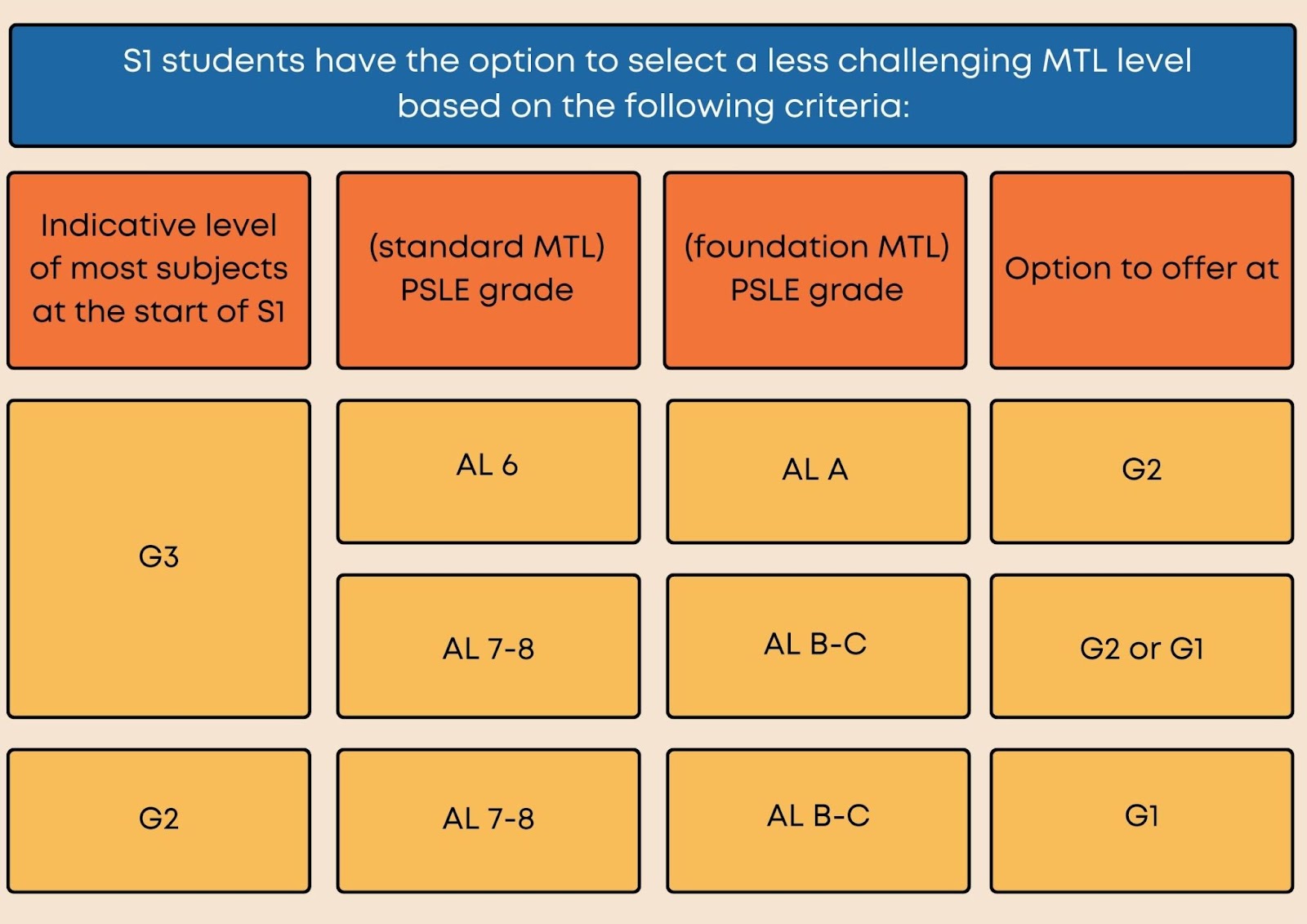
Embrace Visual Aids

Photo by Kelly Sikkema on Unsplash

When studying for the PSLE, visual aids are your best friend. Work with your child to create mind maps, graphs, and charts for each subject to help retain complicated knowledge. Making visual representations actively engages the mind in the learning process, allowing students to gain a better comprehension of the content. You can also employ technology, such as apps, to generate interactive visualisations to spice up your child’s study routine. Check out ‘5 Ways to Take Better Notes in Class’. Variety keeps kids engaged and aids in the retention of information. Practice Exam Conditions

Practising test settings is critical for PSLE preparation. To imitate the actual exam setting, schedule timed practice sessions for each subject. This allows kids to become acquainted with the pressure and time limits, boosting their confidence in their talents. During these practice runs, kids will learn to manage their time wisely and devise a strategy for each component of the exam. After each practice, get your child to reflect by considering their performance, finding areas for development, and recognizing their talents. Each practice session becomes a useful learning experience as a result of this reflecting process, sharpening their techniques and increasing their readiness for the actual exam day.
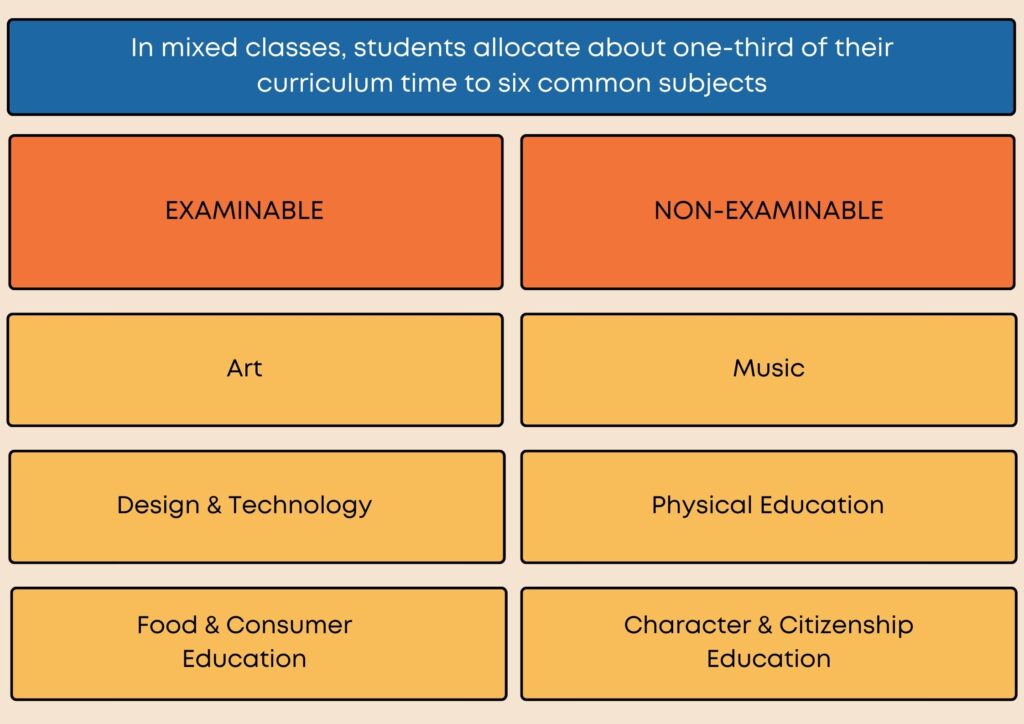
Think Positive

Photo by Brett Jordan on Unsplash

Be aware of the psychological part of PSLE preparation. Spend some time practising positive visualisation. Remind your child of their triumphs on mock exams—what tactics worked well, and how can they apply these skills in the real exams? You can raise their confidence and lessen exam anxiety by getting them to recall their earlier accomplishments. Extend this activity to include picturing the full exam day. Envision a calm and concentrated mindset, good problem-solving, and the joy of confidently completing each segment. Positive imagery cultivates resilience and a proactive approach to adversity.
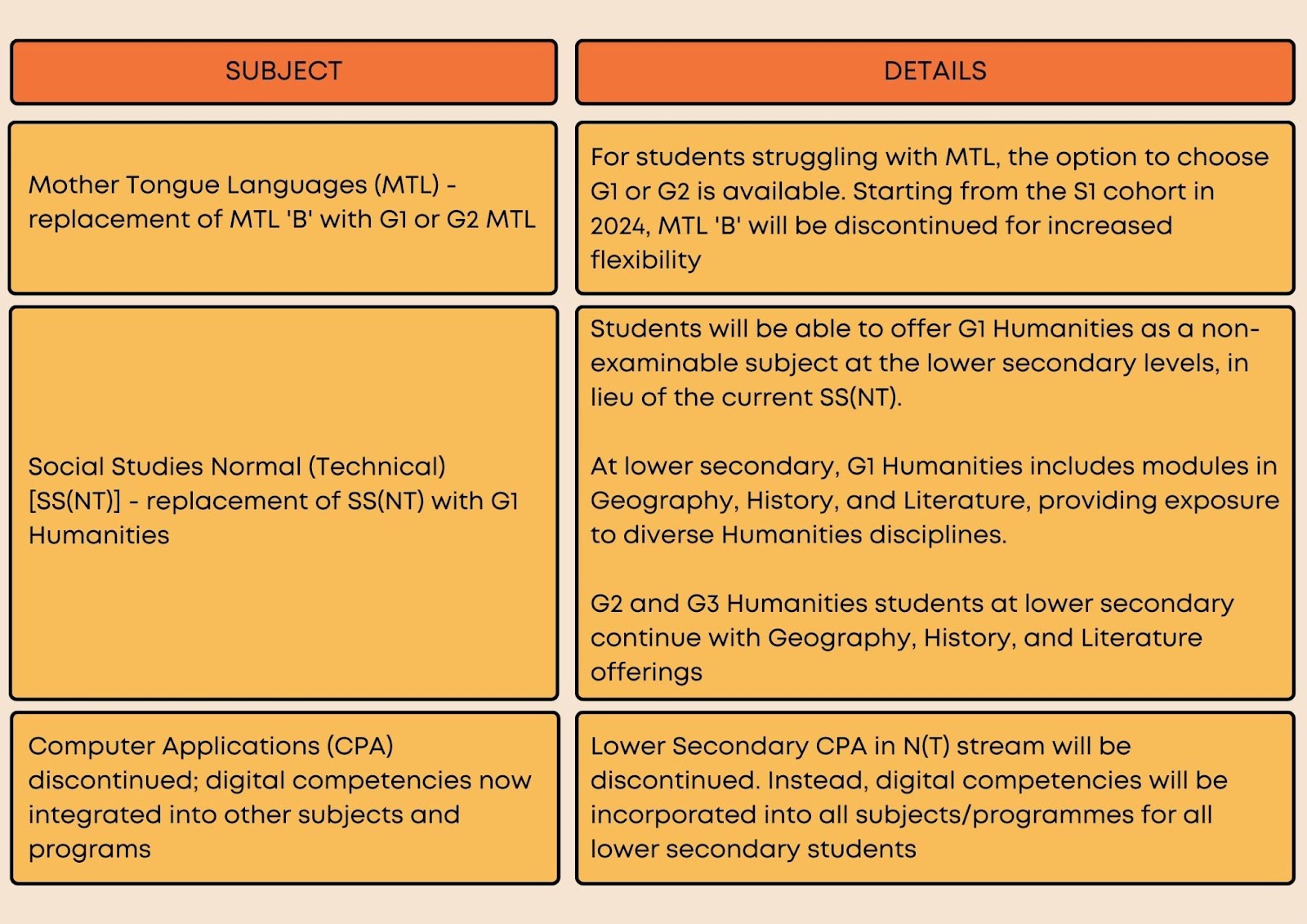

Balance is Key

Photo by Christophe Hautier on Unsplash

While scoring well on tests is vital, maintaining a healthy lifestyle is also essential. Remember to get your child to participate in physical activities and hobbies outside of class. A five-hour study session may appear productive, but a balanced lifestyle will keep them rejuvenated, energised, and better able to concentrate when they hit the books.. Get your kids to collaborate in the creation of their schedules, giving them the ability to control their time and activities. Balancing academics and recreational activities improves study efficiency and mental health. Remember that a healthy mind in a healthy body is the cornerstone for long-term success.

Effective preparation for the PSLE demands a proactive and well-rounded approach. By integrating these elements into the PSLE preparation journey, you can navigate the challenges with confidence and optimise your performance.

How to Set Goals and Achieve Them in the New School Year

Nadya Sharfina · December 28, 2023 · 1 Comment

"Setting goals is like marking milestones on your personal roadmap. Each one gives you a reason to keep going, even when things feel overwhelming or uncertain."

Starting a new school year feels like embarking on a major trip. Creating goals is the way to chart out a milestone map. Goals provide us with a feeling of direction and purpose, ensuring that we are not simply wandering through the school year. Whether it’s studying for exams, developing as a person, or participating in extracurricular activities, goals keep us focused and motivated. It’s not just about obtaining good grades; it’s about developing the ability to deal with whatever life throws at us.

Understanding Goals

Photo by Ronnie Overgoor on Unsplash

Have you wondered what goals mean? People frequently use the word “goal” synonymously with phrases like “dreams” and “expectations.” Dreams can become goals, but they are not the same thing. Dreams, which usually come from our deepest wishes, live in the world of imagination.

Goals and expectations are also not the same thing. Assume you want to achieve at least 3 A1s or more this semester. There are expectations, such as attending all classes, scheduling particular study hours, seeking assistance when needed, and submitting assignments on time. However, let’s face it, expectations don’t always match up with reality.

A goal can be defined as a set result that is envisioned and planned for with a commitment made to achieving it. It is useful to give yourself a deadline in order to ensure that the goal is reached within a finite time period. Goals serve as a guide, guiding us through the difficult areas of life, school, and personal development. 

Steps to Help You Set Effective Goals

Photo by Katerina Holmes on Pexels

Setting effective goals demands an organised approach. Here are some thoughtful measures to assist you with this task:

Step 1: Make a Plan

Once you’ve determined your goal, the first step is to develop a precise plan. This plan should detail the things you need to complete and when you need to complete them. For example, if you want to increase your academic performance, it’s important to create a schedule for studying and doing homework.

Step 2: Break Down the Goal

Instead of hurrying, divide your big goal into smaller, more achievable chunks. This not only makes it easier to achieve, but it also keeps you motivated by breaking down your path into manageable steps.

Step 3: Create a Resource List

Achieving goals frequently necessitates the use of tools and resources. Planners, websites, YouTube videos, books, or even movies can all be extremely beneficial.

Here are some excellent motivational books and films to get you started:

  • The Magic of Thinking Big, by David J. Schwartz: This book emphasises the importance of cultivating a positive mindset, setting ambitious goals, and taking action to turn those goals into reality. It encourages readers to believe in their abilities, overcome fear and procrastination, and develop habits that contribute to success.
  • How to Calm Your Mind, by Chris Bailey: This book assists readers in being more productive during stressful situations. Author Chris Bailey, who personally experienced stress, burnout, and fatigue, discusses how finding calm and reducing mental load may lead to a more fulfilling existence. His book can help people become more involved and focused.
  • The Blind Side (2009): The film emphasizes the theme of nurturing and support in helping someone achieve their goals. It showcases the transformative journey of Michael Oher, who goes from being homeless and struggling to finding success as a skilled football player.
  • The Swimmers (2022): It’s a biographical drama movie about two young sisters who fled their home country of Syria in 2015 when their house was destroyed during the civil war. Their goal was to compete in two swimming events at the Rio Olympics as part of the Refugee Olympic team. This story will inspire you to set goals and to see them through despite the setbacks that you face.

Step 4: Make Some Ground Rules

Setting some ground rules for yourself is necessary for staying focused. These principles serve as guidelines, ensuring that you stay on course and avoid distractions. Creating and sticking to personal guidelines is critical to achieving your goal.

Consider creating a Time Management Rule to ensure productivity by allocating certain time slots for study sessions and minimising breaks. Another important rule is the Technology Distraction Rule, which advises you to keep electronic gadgets on mute and to set up specific times to check messages to avoid continual interruptions. A Task Prioritization Rule, which entails creating daily or weekly to-do lists that highlight critical tasks and priorities, can also be effective. By following these ground rules, you can enhance your ability to focus and increase your chances of achieving your goals.

Step 5: Stay Motivated

It is critical to maintain motivation during the challenging process of reaching a goal. Achieving success on a specific test, for example, can be one of these small victories in an academic context. Don’t be quick to give up if you receive a low score on exams or assignments. You can feel sad or engage in activities to heal yourself but don’t linger too long. Time passes quickly, and you have many things to do if you want to achieve your goals.

Step 6: Set Up a Deadline

When you set a specific endpoint for achieving your objective, it helps you stay organised and feel a sense of urgency. Knowing that there is a visible finish line inspires you to keep working hard and keeps you inspired throughout the road. A deadline can help you put your objective into a more planned and attainable strategy, making the path to accomplishment clearer and more doable.

Step 7: Track Progress

Checking your progress regularly is critical in the goal-setting process. This entails establishing milestones, or points at which you can see how far you’ve progressed. Setting a goal for a specific grade on an upcoming test, for example, can be a way to measure your progress if you want to improve academically.

Why Setting Goals is Important for You

Photo by RDNE Stock project

Reason 1: Goals Maintain Your Progress

Having goals is similar to having a road map for our dreams. They assist us in determining where we are headed and why. It’s like a small push that keeps us motivated and focused so we can always make progress, whether in school or in other areas of our lives.

Reason 2: Goals Conquer Big Challenges.

We all have big dreams, don’t we? They can appear difficult at times, like ascending a massive mountain. However, goals are like breaking down a large mountain into smaller slopes. It makes things less frightening and allows us to enjoy each stride we take. It’s not about doing everything all at once; it’s about conquering little by little.

Reason 3: Goals Promote Accountability

Goals hold us accountable for our actions. We are more likely to stay on track when we set goals with concrete plans. It’s similar to assuring ourselves that we’ll get things done. This teaches us excellent habits and how to manage our time and decisions.

Goals motivate you to strive for excellence.

Reason 4: Goals Challenge You

They’re like a friendly competition with ourselves. We are inspired to accomplish better when we aim high. It’s not only about grades; it’s about becoming a better person, stretching our limits, and feeling satisfied with what we can do.

Reason 5: Goals Prepare You for Adulthood

Setting goals is a valuable ability to have as you grow older. It is for life, not only for school. When we learn how to develop and achieve goals, we are preparing for adulthood. It prepares us to face obstacles, make wise decisions, and succeed in whatever we choose to do next. It’s like our future secret weapon.

In conclusion, setting goals is a smart and strategic process. By planning carefully, breaking goals into doable steps, using resources wisely, setting personal rules, staying motivated, adding deadlines, and regularly checking progress, we can work towards success. Whether it’s improving grades or pursuing a different goal, these phases provide us with a road map to follow. As we use these ideas, we not only increase our chances of success but also develop talents that will benefit us in many aspects of our lives. Remember that while obtaining a goal is essential, so is the journey, and understanding how to create objectives is a skill that will serve us well throughout our lives.

  • « Go to Previous Page
  • Page 1
  • Page 2
  • Page 3
  • Page 4
  • Go to Next Page »

CURIO SG

Copyright © 2026 Curio Singapore · Log in

  • Home
  • Journal
  • Frequently Asked Questions
  • Contact
  • Careers
  • Free Resources