• Skip to primary navigation
  • Skip to main content
CURIO

CURIO

Singapore's Fairest Tuition Agency

  • Home
  • Free Resources
  • Journal
  • Shop
  • Show Search
Hide Search
You are here: Home / The Curio Blog

The Curio Blog

Greta Thunberg’s Influence on Today’s Teen Climate Activists

Nadya Sharfina · April 23, 2024 · 1 Comment

"Amidst growing climate impacts, recent events highlight the need for action. Where is Greta Thunberg now? Is she still inspiring young people despite challenges?"

In an era where the impacts of climate change are increasingly felt across the globe, recent events serve as stark reminders of the urgent need for environmental action. From Vietnam’s state of emergency due to scorching temperatures that dried up rice fields, to the Philippines suspending classes amid sweltering heat exceeding 107 degrees Fahrenheit (42 degrees Celsius), and the United Arab Emirates experiencing its most powerful rainstorm ever on April 16, 2024, causing widespread flooding. These events show that climate change is real and affecting us all.

Amidst this backdrop of environmental upheaval, the name Greta Thunberg resurfaces—a young girl catapulted to international fame for her unwavering climate activism. But where is she now? Is she still advocating for change? And, in the face of criticism and rebellion, does she continue to inspire young people?

Early Life

Photo by Getty Images

Greta Thunberg, born Greta Tintin Eleonora Ernman Thunberg on January 3, 2003, in Stockholm, Sweden, discovered the urgency of climate change at a remarkably young age. Her awakening to the problem occurred in 2011 when she was just eight years old. She couldn’t understand why so little was being done about such a serious matter. She was severely impacted by this knowledge.

By the time she turned eleven, the weight of this understanding had taken a toll on her health. Thunberg stopped speaking and eating as much, ultimately shedding ten kilograms in just two months. This period resulted in her diagnoses of Asperger’s syndrome, obsessive-compulsive disorder (OCD), and selective mutism.

After nearly four years of grappling with depression, Thunberg’s journey towards activism began with her efforts to change her family’s lifestyle. At the age of fifteen, she escalated her activism by organising school strikes to advocate for increased climate action in Sweden. Standing outside the Swedish parliament with her “School Strike for Climate” sign, she distributed educational fliers calling for more decisive action to combat climate change.

Over time, her advocacy work gained traction, and she found solidarity within the Fridays for Future movement, where she highlighted the inclusivity of individuals with autism. Her impact transcended climate activism, earning her the reputation of not only a prominent voice for environmental concerns but also for autism awareness. 

On Activism

Photo by Getty Images

Greta Thunberg’s activism has been characterised by her unwavering dedication to the Fridays for Future movement. Her bold actions served as a catalyst, inspiring hundreds of thousands of students worldwide to join the Fridays for Future movement. This grassroots movement saw strikes taking place in various countries, including Belgium, Canada, the United States, the United Kingdom, Finland, Denmark, France, and the Netherlands, among others.

As Thunberg’s profile grew, so did the demand for her voice on the global stage. She received numerous invitations to speak about climate change at prestigious events. She delivered speeches at the World Economic Forum in Davos, Switzerland, and the European Parliament, as well as before the legislatures of Italy, France, the United Kingdom, and the United States. Her speeches resonated widely, drawing attention to the urgency of climate action and challenging world leaders to take meaningful steps.

One of the most memorable moments in Thunberg’s activism came in September 2019, during her appearance at a UN climate event in New York City. Thunberg’s speech at the UN event captured global attention as she accused governments of stealing her dreams and childhood with empty promises. Her words struck a chord, fueling a surge in climate strikes that mobilised millions of protesters across 163 countries that month.

Thunberg’s impact on public perception and behaviour surrounding climate change has been widely recognised, with her influence famously dubbed “the Great Effect.” Through her unyielding advocacy and willingness to challenge established norms, Thunberg has reshaped the discourse on climate action, emphasising the urgent need for collective responsibility and meaningful change.

Consistently Speaking Out

Photo by Pavel Golovkin

On April 6, 2024, at the age of 21, Greta Thunberg found herself in the spotlight once again, this time for her involvement in a demonstration in the Netherlands where she was detained twice by police. Thunberg and a group of fellow marchers took to blocking a main road to protest against fossil fuel subsidies—a direct action aimed at raising awareness about climate change issues.

According to reports, over 400 individuals, including Thunberg and twelve others on charges of incitement, were arrested during the protest. Despite the initial detention, activists later confirmed that Thunberg had been released.

Thunberg was initially held briefly by local police along with other demonstrators who were trying to block a major highway into The Hague. After her release, she joined a smaller group obstructing another road near the railway station. During this protest, Thunberg was detained again and taken away by police.

Her ongoing activism and readiness to challenge authorities show her strong dedication to advocating for urgent climate action. By taking these actions, Thunberg not only raises awareness about important environmental issues but also encourages others to join the fight against climate change.

Inspiring Young People

Despite facing criticism and even arrest, Greta Thunberg remains steadfast in her commitment to environmental activism and the urgent need to protect our planet. Many older individuals have been quick to dismiss her, labelling her as a know-it-all and suggesting she should live a more conventional childhood. Some famous critics of Thunberg include former U.S. President Donald Trump and Brazil’s far-right leader Jair Bolsonaro. (Checkout How Climate Change is Affecting Young People the Most)

Thunberg’s message is clear: humanity must take immediate action to combat climate change, as our planet faces increasing pollution and environmental degradation due to human activities. She tirelessly encourages young people to raise their voices and take a stand for their future, urging governments to prioritise nature conservation over economic interests.

For teenagers, Thunberg serves as an inspirational figure—an embodiment of the idea that age is not a barrier to making a difference. Her activism began at a young age, highlighting the power of youth in advocating for change. Thunberg’s unwavering dedication and fearlessness in challenging world leaders have resonated deeply with young people worldwide, empowering them to take action and demand a sustainable future for generations to come. 

For more stories about inspirational persons, check out George Goh Ching Wah: The Successful Journey from Factory Sweeper to Billionaire.


How to Study Shakespeare: The Tempest

Sandy · April 22, 2024 · 1 Comment

“How beauteous mankind is! O brave new world, that has such people in it!”

― William Shakespeare, The Tempest

“The Tempest” by William Shakespeare is a fabulous tale full of twists and turns. It is a story of magic, of revenge, and forgiveness. Set on a remote island, the play follows Prospero, a former Duke of Milan who was betrayed by his brother Antonio and left to die at sea with his daughter Miranda. Prospero, now a powerful sorcerer, conjures a storm to shipwreck his enemies on the island. Stranded, they encounter various inhabitants, including the monstrous Caliban and the ethereal spirit Ariel, both under Prospero’s control. As the characters navigate the island’s mysteries, Prospero orchestrates events to confront his foes and ultimately seeks redemption and reconciliation.

Amidst themes of power and authority, “The Tempest” explores the complexities of human relationships and the nature of forgiveness. Prospero’s journey from vengeance to mercy reflects Shakespeare’s exploration of the human condition, as characters grapple with their past actions and seek redemption. The play’s resolution sees forgiveness triumph over retribution, as Prospero forgives his enemies and relinquishes his magic, symbolising the triumph of compassion and reconciliation over resentment and power. “The Tempest” serves as a poignant meditation on forgiveness, reminding audiences of the transformative power of mercy and the importance of letting go of the past to embrace a brighter future.

The Tempest (Plot Summary)

Characters in The Tempest

Prospero: The rightful Duke of Milan, Prospero was usurped by his brother Antonio and left stranded on an island with his daughter, Miranda. He is a powerful sorcerer who uses magic to manipulate events on the island, seeking revenge on those who wronged him. Throughout the play, Prospero grapples with themes of forgiveness and redemption, ultimately choosing to forgive his enemies and relinquish his magic.

Miranda: Prospero’s daughter, Miranda, has lived on the island since infancy. She is innocent and naive about the world beyond the island until she meets and falls in love with Ferdinand, the son of Prospero’s enemy. Miranda’s compassion and love play a crucial role in the play’s themes of forgiveness and reconciliation.

Ariel: A spirit enslaved by Prospero, Ariel is instrumental in carrying out Prospero’s commands. Ariel is ethereal and magical, capable of taking on various forms and performing extraordinary tasks. Despite Ariel’s servitude, there is a sense of loyalty and longing for freedom, which adds depth to the character’s interactions with Prospero.

Caliban: The son of the witch Sycorax, Caliban is the island’s original inhabitant and serves as Prospero’s unwilling servant. He is depicted as brutish and uncivilised, with a deep resentment towards Prospero for enslaving him. Caliban’s character raises questions about colonisation, power dynamics, and the treatment of indigenous peoples.

Ferdinand: The son of Alonso, the King of Naples, Ferdinand is shipwrecked on the island and falls in love with Miranda. Despite his royal status, Ferdinand willingly performs tasks for Prospero to prove his love for Miranda. His relationship with Miranda symbolises love transcending social barriers.

Alonso: The King of Naples, Alonso is consumed by grief over the supposed loss of his son, Ferdinand. He is manipulated by Prospero’s magic and experiences guilt over his past actions, particularly his role in aiding Antonio’s usurpation of Prospero’s dukedom.

Antonio: Prospero’s treacherous brother who usurped his dukedom. Antonio is power-hungry and unrepentant for his actions. He represents betrayal and ambition, serving as one of Prospero’s primary adversaries in the play.

Gonzalo: A kindly old counsellor to Alonso, Gonzalo helped Prospero and Miranda escape when they were exiled. He is depicted as wise and compassionate, offering hope and solace amidst the turmoil of the island.

Themes in The Tempest

  • Power and Authority: “The Tempest” explores the dynamics of power and authority through characters like Prospero, who wields magical control over the island and its inhabitants. The play examines the consequences of wielding power responsibly or abusing it, as seen in Prospero’s manipulation of events and the power struggles between characters like Prospero and Antonio.
  • Forgiveness and Redemption: Central to the plot is the theme of forgiveness and redemption. Prospero, despite being wronged by his brother Antonio and others, ultimately chooses to forgive them. Through this act of forgiveness, Prospero finds personal redemption and closure, highlighting the transformative power of forgiveness and its ability to heal past wounds.
  • Colonialism and Otherness: “The Tempest” raises questions about colonialism and the treatment of the ‘other.’ Characters like Caliban, an indigenous inhabitant of the island, are marginalised and oppressed by Prospero, symbolising the colonial mindset of exploitation and domination. The play prompts reflection on issues of cultural imperialism, displacement, and the effects of colonisation.
  • Illusion vs. Reality: Throughout the play, illusions and reality blur, particularly through Prospero’s use of magic to manipulate events. Characters grapple with the distinction between appearance and reality, confronting their own perceptions and the truths that lie beneath. This theme invites contemplation on the nature of truth, deception, and the human tendency to be swayed by appearances.
  • Nature vs. Nurture: The characters in “The Tempest” are shaped by their environment and upbringing, prompting exploration of the nature versus nurture debate. Miranda’s innocence and purity contrast with Caliban’s brutishness, raising questions about the influence of upbringing and social conditioning on individual behaviour. The play invites reflection on the inherent qualities of human nature and the impact of the environment on character development.

The Setting in The Tempest

The setting of “The Tempest” is a remote island in the Mediterranean Sea, where much of the action unfolds. This isolated and mysterious island serves as a microcosm for the complexities of human nature and relationships. Surrounded by the vast expanse of the ocean, the island is cut off from the outside world, creating a sense of confinement and heightened tension among the characters. The island’s natural beauty, described vividly by Shakespeare through Prospero’s dialogue, contrasts with its dangers and secrets, adding to its allure and enigma.

Amidst the island’s lush vegetation and rocky terrain, Prospero’s magical powers are at their zenith. His command over the elements and the spirits that inhabit the island imbue the setting with an otherworldly atmosphere. The island becomes a stage for Prospero’s manipulation of events, as he orchestrates the shipwreck and exerts control over the other characters. This magical setting blurs the line between reality and illusion, creating an environment where anything seems possible, and where characters confront their innermost desires and fears.

Furthermore, the island serves as a symbol of transformation and renewal. Characters undergo profound changes during their time on the island, confronting their past actions and seeking redemption. Prospero’s decision to forgive his enemies and relinquish his magic marks a turning point in the play, signalling a rebirth and a fresh start for the characters. In this sense, the island represents a crucible of change, where characters are tested and ultimately emerge transformed, ready to embark on a new chapter in their lives.

Symbols in The Tempest

The storm serves as both a literal and metaphorical representation of chaos, turmoil, and the disruption of order. Prospero conjures the storm to shipwreck his enemies on the island, setting the stage for the events that unfold. The storm also symbolises the inner turmoil of the characters, particularly Prospero’s own internal conflict as he seeks revenge and ultimately chooses to forgive.

Prospero’s magic represents power, control, and the manipulation of reality. Through his sorcery, Prospero exerts influence over the events on the island, shaping the destinies of the other characters. His magic also serves as a metaphor for the creative power of the imagination and the transformative potential of forgiveness and redemption.

The island itself functions as a powerful symbol in the play. Isolated from the outside world, the island represents a liminal space where boundaries blur and hidden truths are revealed. It is a place of mystery and transformation, where characters confront their pasts and undergo profound changes. Through these symbols, Shakespeare invites audiences to delve deeper into the themes of power, forgiveness, and the complexity of the human condition.

Quotable Quotes in The Tempest

“We are such stuff as dreams are made on, and our little life is rounded with a sleep.” – Act IV, Scene 1

Prospero speaks these words as he reflects on the transient nature of human existence. The quote encapsulates the theme of illusion versus reality, suggesting that life is akin to a dream from which we eventually awaken.

“Hell is empty, and all the devils are here.” – Act I, Scene 2

Ariel delivers this line to Prospero, referring to the treachery and moral corruption present in the human world. It reflects the idea that evil exists not only in supernatural realms but also within humanity itself.

“What’s past is prologue.” – Act II, Scene 1

Antonio utters this line to Sebastian, suggesting that the events leading up to the present moment serve as a prelude to what is yet to come. It implies that history repeats itself and that past actions influence future outcomes.

“Misery acquaints a man with strange bedfellows.” – Act II, Scene 2

Trinculo speaks these words upon discovering Caliban hiding beneath a cloak during the storm. The quote humorously suggests that difficult circumstances can lead to unexpected alliances or encounters.

“O, wonder! How many goodly creatures are there here! How beauteous mankind is! O brave new world that has such people in’t!” – Act V, Scene 1

Miranda expresses awe and wonder upon encountering people other than her father for the first time. The quote reflects her innocence and naivety, as well as the theme of discovery and the excitement of encountering the unknown.

“He that dies pays all debts.” – Act III, Scene 2

Stephano says this line, indicating that death is the ultimate resolution of all obligations and debts. It reflects the character’s cynical outlook and also hints at the consequences of wrongdoing.

“What’s gone and what’s past help should be past grief.” – Act III, Scene 2

Alonso speaks these words, suggesting that dwelling on past misfortunes is futile and that one should move forward rather than lamenting what cannot be changed. It reflects a stoic attitude towards adversity.

“We are such stuff as dreams are made on, and our little life is rounded with a sleep.” – Act IV, Scene 1

Prospero speaks these words as he reflects on the transient nature of human existence. The quote encapsulates the theme of illusion versus reality, suggesting that life is akin to a dream from which we eventually awaken.

Looking for Help with Literature?

Curio offers English Language, English Literature and General Paper group tuition in online classes. We cover the ‘O’ level, ‘A’ level and the new Singapore-Cambridge Secondary Education Certificate (SEC) which is to be offered in 2027. We also teach students in the Integrated Programme (IP) be it English, Literature or Language Arts. 

As different schools are covering different novels, plays or poetry, we try to group students according to school or text. We even have classes which cover only Unseen Poetry (to the great joy of our JC students). Our Literature classes are incredibly enjoyable as students not only learn how to tackle the exams, they also learn empathy, appreciation and how to broaden their worldview. Classes for younger students typically begin with a quiz (with Kahoot, Blooket etc) to help them to remember the plot of a novel. We then go on to teach annotation and answering techniques (e.g using PEEL, PEAL or PEDAL). Older students benefit from an in depth discussion of a poet, playwright or novelist’s works. This is followed up with essay outlines or a detailed analysis of passage based questions. 

No time for tuition? Then check out Curio’s Independent Marking and Feedback programme. A dedicated teacher will send you personalised notes and tests with marking, advice and feedback!  Curio teachers are also available via whatsapp and email for questions on anything related to the subject. Many of our students thrive from not having to block out time to attend weekly lessons, but still have the benefit of a Curio coach’s nurturing and experience.

To find out more, call or get in touch with us on whatsapp at 8892 2948. We are also available on email: [email protected].

Helping Your Daughter Through Menstrual Cramps and Cycles

Nadya Sharfina · April 16, 2024 · 4 Comments

"Menstruation is a normal part of growing up for young women, with common symptoms like cramps and fatigue that should be monitored for severity."

Most girls start getting their period around age 12, but in general, it can happen anytime between the ages of 10 and 15. Menstruating is a natural part of growing up for young women. During menstruation, many young women experience symptoms such as cramps, back pain, headaches, fatigue, and mood swings. While some discomfort is normal, severe or ongoing symptoms shouldn’t be ignored. This transitional phase is an opportunity for mothers to reassure their daughters.

This article aims to help mothers recognize their daughters’ common period symptoms, understand what sort of care they will appreciate, and know when to seek proper care from a doctor.

What Causes a Period?

Photo by Karolina Grabowska on Pexels

Periods, or menstruation, occur due to hormonal changes in the body. Hormones like oestrogen and progesterone control the menstrual cycle. It begins with the follicular phase, where the brain’s pituitary gland signals the ovaries to develop follicles containing eggs. Around the middle of the cycle, another hormone surge triggers ovulation—the release of an egg from the ovary into the fallopian tube. 

After ovulation, the empty follicle transforms into the corpus luteum, which produces progesterone. This hormone thickens the lining of the uterus in preparation for a possible pregnancy. If pregnancy doesn’t occur, hormone levels drop, leading the uterine lining to shed. This shedding results in a period—blood, tissue, and mucus flowing out through the cervix and vagina. Once menstruation ends, the cycle repeats with new follicles growing in the ovaries.

When is the Normal Timing of the Cycle?

Photo by Aunt Flow on Unsplash

Women have different menstrual cycles. The cycle is usually counted from the first day of one period to the first day of the next. However, cycles can vary a lot among individuals. Menstrual bleeding can occur every 21 to 35 days and can last from 2 to 7 days. 

When menstruation starts, it’s common for cycles to be longer as the body settles into its rhythm. Cycles can be regular, occurring consistently each month, or they can be a bit irregular. Periods can vary in how heavy or light they are, and they can be painful or pain-free, lasting different lengths of time. 

As women near menopause, typically in their late 40s to early 50s, their menstrual cycles may become irregular again. Menopause signals the end of menstrual periods, and during this time, irregular cycles or changes in bleeding patterns are normal. 

Any unusual bleeding or concerns about menstrual health should be discussed with a healthcare provider, as irregular bleeding could signal other health issues needing attention. Talking openly with healthcare professionals is crucial for managing menstrual health at different stages of life and maintaining overall health.

What Are the Symptoms?

Photo by Sora Shimazaki on Pexels

It’s important to know that not every woman will have the same symptoms, and the intensity and combination of symptoms can vary greatly. Common premenstrual symptoms in your daughter may include breast swelling and tenderness, feeling tense or irritable, bloating, acne breakouts, and cramps in the legs, back, or stomach. Many young women also feel tired and experience mood changes as part of premenstrual syndrome (PMS). These symptoms typically occur in the days leading up to the period and can significantly impact daily life and emotional well-being.

For mothers supporting daughters dealing with menstrual issues, it’s crucial to offer support and understanding. Encouraging open discussions about menstrual symptoms can help you to understand what your daughter is experiencing, which may be completely different from your own experience. Educating and normalising conversations about menstruation can improve overall health outcomes and quality of life for young women dealing with menstrual issues.

When to Call a doctor?

Photo by JESHOOTS.COM on Pexels

Most girls have regular menstrual cycles without problems, but certain signs mean it’s important to see a doctor for advice. If your daughter is 15 and hasn’t started her period, or if her period hasn’t become regular after having it for over 2 years (usually every 4–5 weeks), it’s good to contact her healthcare provider for evaluation. Also, if she has bleeding between periods or severe cramps that don’t get better with over-the-counter pain relievers like ibuprofen or naproxen, talking to a doctor is recommended. 

Other symptoms to discuss with a doctor include very heavy bleeding (saturating a pad or tampon faster than every hour) or periods lasting longer than about a week. Severe PMS symptoms that greatly affect daily life—like trouble sleeping, dizziness, bloating, withdrawing socially, trouble concentrating, or extreme fatigue—should also be discussed with a healthcare professional for proper evaluation and management. 

Talking openly with a doctor about any irregularities or troubling menstrual symptoms is important for good reproductive health. Getting prompt medical attention can help ease discomfort, manage symptoms, and ensure good menstrual health in the long run.

How to Treat Menstrual Pain?

Photo by Elina Fairytale on Pexels

To ease physical symptoms during menstruation, it’s important to consider lifestyle factors that can impact comfort and well-being. Encouraging a balanced diet is key. Limiting salt and caffeine can help reduce bloating and discomfort. Try a diet rich in fruits, vegetables, whole grains, and calcium-rich foods to provide essential nutrients and support menstrual health. Check out Smart Food Choices for Kids’ During Exams and Is It Safe for Teenagers to Consume Caffeine?

Focusing on dietary choices like more fruits, vegetables, and whole grains can maintain stable blood sugar levels and supply important vitamins and minerals for menstrual health. Foods high in calcium such as dairy products, leafy greens, and fortified plant-based alternatives can also help ease symptoms like bloating and mood swings. Staying hydrated by drinking plenty of water will help to reduce bloating and alleviate cramps. 

Along with dietary changes to improve your daughter’s menstrual health, there are other options you can try to help manage her discomfort. Tell her to take a warm bath or shower, which can bring relaxing comfort and aid with cramps. Putting a heating pad or hot water bottle wrapped in a tea towel on her stomach might also help relieve cramps and bring comfort. Gentle massages on her stomach and back can help ease the stress and discomfort caused by menstruation cramps.

Encouraging your daughter to do light activities like yoga, swimming, walking, or cycling will help her menstruation symptoms and overall well-being. These activities can aid with pain relief and mood enhancement during her menstrual cycle. If required, visit a healthcare provider about utilising pain relievers to effectively and safely manage pain and discomfort. 

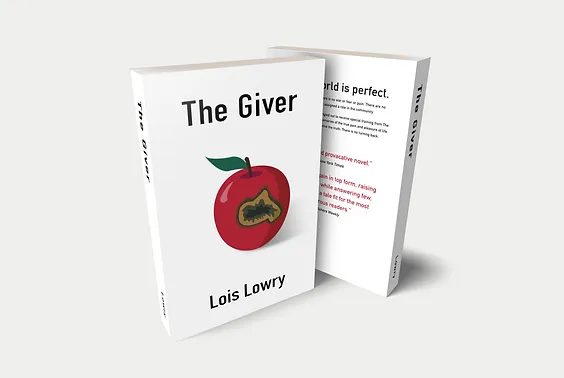
Literature Focus: The Giver by Lois Lowry

curiosg · April 16, 2024 · 136 Comments

“The worst part of holding the memories is not the pain. It's the loneliness of it. Memories need to be shared.”

― Lois Lowry, The Giver

“The Giver” by Lois Lowry delves into a dystopian world that masquerades as utopia, where individual freedoms are tightly controlled. The protagonist, Jonas, is selected to be the Receiver of Memories, mentored by the community’s elder Receiver known as the Giver.

During his training, Jonas unravels the hidden truths of his society, such as emotional suppression, lack of free will, and the dark practice of ‘release’ for those who defy societal norms.

The novel delves into themes of conformity, individuality, and the significance of memory and emotion in shaping human existence. Through Jonas’s experiences, Lowry prompts reflection on the consequences of a society that prioritises uniformity and control over individual choice and freedom.

Do you have a WA coming up on ‘The Giver’? Download the passage based mock tests below and give them a try! To get a teacher to mark your work and give you feedback, you might want to check out the advantages of the ‘Independent’ Marking & Feedback only plan on Curio.sg.

To find out more, call or get in touch with us on whatsapp at 8892 2948. We are also available on email: [email protected].

Passage-Based-Question_-The-Giver-Mock-Test-1-Download
Passage-Based-Question_-The-Giver-Mock-Test-2Download
Passage-Based-Question_-The-Giver-Mock-Test-3Download
Passage-Based-Question_-The-Giver-Mock-Test-4Download

Study Fahrenheit 451: A Fireman’s Fight for Truth

curiosg · April 16, 2024 · Leave a Comment

“The magic is only in what books say, how they stitched the patches of the universe together into one garment for us.”
― Ray Bradbury, Fahrenheit 451

“Fahrenheit 451” is a book by Ray Bradbury that was first published in 1953. It’s about a future in America where books are banned and there are “firemen” whose job is to burn any books they find. The main character is a fireman named Guy Montag who starts to question his job and society after he meets a girl named Clarisse who shows him the world of books and ideas. Montag ends up becoming a fugitive and joins a group of people who want to keep literature and knowledge alive.

“Fahrenheit 451” is considered one of the best science fiction books ever written and is a classic in American literature. It’s been made into movies, plays, and more. The significance of the title lies in the number itself – Fahrenheit 451 is the temperature at which paper catches fire.

Download the worksheets below to test yourself on essays and passage based questions. If you’re looking for some useful feedback and specific comments to help you improve, you should check out the English Literature Programme that’s exclusively available on Curio.sg! No time for tuition? Then check out Curio’s Independent Marking and Feedback programme. A dedicated teacher will send you personalised notes and tests with marking, advice and feedback!

To find out more, call or get in touch with us on whatsapp at 8892 2948. We are also available on email: [email protected].

Fahrenheit-451-Essay-PBQ-Phelps-Bowles-CurioDownload

Fahrenheit-451-Essay-PBQ-Granger-CurioDownload

Fahrenheit-451-Essay-PBQ-The-Old-Woman-CurioDownload

The Joys of Learning Online

Sandy · April 9, 2024 · Leave a Comment

"Students faced challenges adapting to online learning during the pandemic. Now, Home Based Learning (HBL) is common in Singapore schools, offering convenience and enjoyment."

A lot of students – especially younger ones – realised to some trepidation that they had no choice but to figure out how to navigate learning online when the Covid-19 pandemic hit. Kids experienced everything from screen fatigue to technical difficulties, making an already challenging journey a tougher one all in all. 

Post-pandemic, HBL – or home based learning – is now a regular affair in almost every school in Singapore. Worksheets and instructions are regularly uploaded onto online learning platforms, giving students no more room to say things like “I didn’t hear the instructions” or “I can’t find the worksheet”. The online learning world comes with a slew of benefits which now make learning not just convenient, but a joy to experience as well. 

Everything is Easily Accessible

Photo by Andrea Piacquadio on Pexels

No matter where one is, all of a student’s work is easily accessible with a device and a wifi connection. Some students may find it easier to work from a cafe, in a study group with friends, or from a grandparent’s home. Having access to all of one’s learning materials in one place makes it incredibly easy to plan one’s study schedule. Not having to lug around files for four different subjects is a fantastic benefit of online learning. 


Another advantage that comes with accessibility is being able to search for any material with ease. A physical file involves having to rifle through months of notes, sometimes from previous years. With the ease that comes with an online learning platform, students never have to worry about where to hunt for that one particular worksheet or set of notes that they need. 

Every Message is Crystal Clear

Photo by Katerina Holmes on Pexels

Students often check with each other wondering whether a teacher asked them to complete one thing or another. In the tumult of school and constant influx of information, kids often forget or simply don’t hear something important. 

With online learning, this issue goes out the window. Instructions on what to do, how to do and when to submit can be clearly spelt out on a learning platform, giving students little excuse to be forgetful. Teachers and students can also interact on a chatboard, clarifying, checking in and even providing feedback. The online medium has changed the way kids take in information, providing them with reinforcement and security. 

This of course should not become an excuse to switch off during class. It is undeniably beneficial however, to have instructions spelt out clearly and not have to rely on just word of mouth. 

Ever So Fun: Quizzes and Learning Tools

Photo by Julia M Cameron on Pexels

The internet is a rich source of information, knowledge and resources for learning. With online learning platforms, teachers can post videos, quizzes, links to additional notes and even recorded voice notes. With this plethora of resources and their availability online, teachers can easily curate learning materials for their students. Almost everyone remembers a teacher who droned on and on as our eyelids drooped. With a variety of learning tools, students will not need to be bored with learning ever again, and even the driest of topics will be rendered tolerable. 

Everything is So Neat

Photo by JESHOOTS.COM on Unsplash

Topics, sub-topics, worksheets, tests, additional notes, readings. These are often a mish-mash of papers, written notes or sometimes even a photograph of a whiteboard from school. With online platforms such as Google Classroom, one can search for a document or a piece of information with great ease, and without bothering to rifle through thick sets of notes filed months before. 
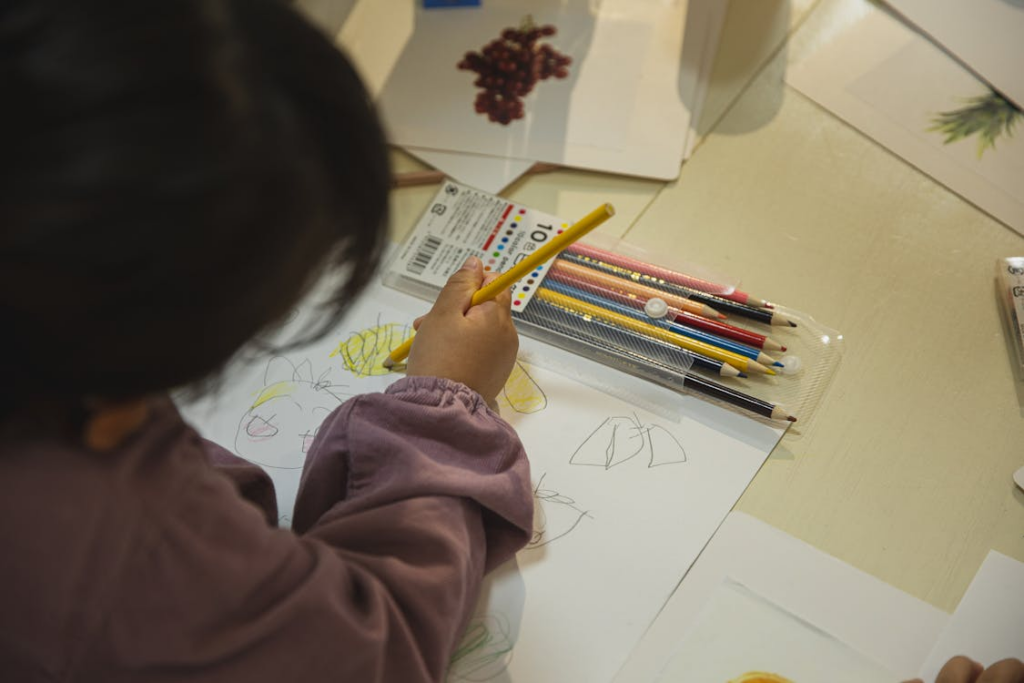
In an English class, teachers and students will be able to organise Comprehensions, Essays and Visual Texts under separate headings, ensuring that they will be easily found when needed. Similarly for other subjects, worksheets, notes, quizzes and resources can be organised by topic, ensuring that students will always be able to find what they are looking for on short notice. This becomes incredibly useful during the exam period.  


While it is still important to be able to have face to face sessions with teachers and fellow students, the convenience and effectiveness of online learning cannot be underestimated. The relief that comes from not having missed any instruction, the peace of mind from having neat notes and the wealth of resources accessible online go a long way towards helping students become the best learners that they can be.

If you are interested in online learning, try out one of our Curio tuition programmes today. Curio offers English Language and English Literature tuition for students offering the SEC, ‘O’ levels, ‘A’ levels and IP. 

There are 3 plans to choose from, Independent, Huddle and Focus. Independent students will have a dedicated coach who will provide marking and feedback without weekly lessons. Huddle group students will meet a coach 1x a week for 1.5 hours online. They are comfortable learning in groups of 8. Focus group students will meet a coach 1x a week for 2 hours online. They are comfortable learning in groups of 5. 

Practice Papers and consistent feedback are provided throughout the week for all students. Try us out today! English Language ‘O’ Level Programme.

6 Tips for Choosing a Secondary School for Your Kids

Nadya Sharfina · April 5, 2024 · 1 Comment

"Selecting the ideal secondary school for your child can be daunting. Prioritise your child's enthusiasm and support, and use these six tips to make the best decision for their future."

As parents, trying to find the perfect secondary school for kids can be a bit of a head-scratcher. Your preferences matter, but ensure your child feels enthusiastic and supported.  Whether you are just starting the decision-making process or narrowing down your options, these six suggestions will help you make the greatest selection for your child’s future.

1. Visit All the Potential Schools During Their Open House

Photo by MELIANI Driss on Pexels

One of the most important aspects of selecting the ideal secondary school for your child is doing school visits. You can learn about the school’s track record, visit its facilities, and learn about their values. It’s an opportunity for both you and your child to see the school in action, observing the current students bustling about, interacting with teachers, and getting a sense of the overall vibe. 

Immersing yourself in the location provides crucial information that cannot be obtained from a brochure or website. When you have this entire perspective, the decision-making process becomes clearer since you are armed with direct knowledge rather than hearsay.

However, amidst the excitement of visiting different schools, it’s essential to maintain a critical eye and not succumb to peer pressure or popular opinion. While the experiences and recommendations of others can be valuable, they shouldn’t dictate your decision entirely. It’s easy to be swayed by the consensus or reputation of a particular school, but each child is unique, and what works for one may not necessarily work for another. 

By remaining open-minded and not being swayed by external perceptions, you may ensure that your decision is in line with your child’s specific requirements and preferences. The goal is to choose a school where your child may prosper academically, socially, and personally.

2. League Table Consistency

Photo by THIS IS ZUN on Pexels

Once you’ve familiarized yourself with the schools in your area and created a shortlist, the next step is to research league tables and guidelines to help you make your decision. League tables provide an overview of a school’s success, but they are not the be-all and end-all. Schools’ rankings may change due to a variety of reasons, and a single score does not necessarily convey the complete quality of a school.

When checking league tables, note the consistency of a school’s performance over time. A stable satisfaction level indicates reliability in education delivery. This way, you can make a well-rounded decision considering various aspects of a school’s performance and ethos.

3. Ask Specific Questions

Photo by Thirdman on Pexels

Now it’s time to get down to the nitty-gritty and ask specific questions. Don’t hold back; it’s perfectly acceptable, even necessary, to inquire about every detail that could impact your child’s educational future. Being thorough in your inquiry ensures that you have a good understanding of each school’s offerings and how they relate to your and your child’s needs. It’s better to be well-informed from the start than to discover vital facts later, when it may be too late to make changes.

For example, ask about the extracurricular activities and groups accessible to students. These opportunities play an important part in building a well-rounded education by allowing students to pursue their interests and passions outside the classroom. Enquire about the variety of activities provided, including sports teams and academic clubs, as well as the level of student participation and engagement. In addition, check about class sizes and teaching methods used by the school. 

Consider the student-to-teacher ratio for insights into individual attention. Learn about teaching methods to understand lesson delivery, like hands-on activities or collaborative projects. Check school policies on homework and discipline to ensure they match your values, fostering a supportive learning environment. By asking these specific questions, you’ll be equipped to make an informed decision.

4. Check the School Facilities

Photo by Vlad Vasnetsov on Pexels

It’s essential to consider your child’s interests and passions. Take some time to explore what truly excites your child – whether it’s sports, drama, music, or any other hobby. Once you’ve identified their passion, inquire about the facilities the school offers in those specific areas. Are there well-equipped sports fields, a state-of-the-art auditorium for budding performers, or music rooms equipped with instruments?

While modern facilities are not the only factor to consider when selecting a school, they do play an important role in creating a great environment. A school with top-notch facilities upholds a certain standard of excellence. 

5. Listen to Your Child’s Opinion

Photo by Nicola Barts on Pexels

When selecting a school for your child, it is important to include them in the decision-making process. As a parent, it’s easy to depend exclusively on your instincts, but you must resist the urge to dictate what you believe is best for your child. Take the time to truly listen to their ideas and goals for their education. Engage in open discussions with them about the numerous possibilities available, and take their feedback carefully. After all, kids will be spending the next four years at the chosen school, so their viewpoint is important. At the same time, seeking input from other trusted sources can add depth to the decision-making process.

Talking to other parents can also provide valuable insights and recommendations that you might not have considered otherwise. Ultimately, maintain a positive outlook and trust in the collaborative effort between you and your child to make the right decision together. 

6. Always Have a Backup Plan

Photo by Thirdman on Pexels

Having backup plans prepared is a wise decision. Even if you’ve made your first choice, remember that the future is unpredictable. Life has a way of presenting us with unanticipated obstacles, and certain situations beyond our control may have an impact on your child’s educational journey. By having a second and even a third school option, you provide yourself a safety net and the ability to adapt if circumstances change.

Choosing the right school is crucial for our children’s future. Yet, not every school fits every child perfectly. Whether they struggle academically, feel out of place, or face social challenges, prioritize your child’s well-being above all else.

Instead of blaming your child or worrying about what others think, focus on addressing any issues that arise. Understand the difference between a settling-in period and when it’s clear the school isn’t the right fit. By recognizing problems and seeking solutions, you prioritize your child’s happiness and growth.

To learn more about the various possible programmes that your child can enroll in, check out our page: IP, IB or ‘O’ Levels. Which Path Should You Take?

10 Public Libraries and Book Cafes in Singapore

Nadya Sharfina · April 4, 2024 · 3 Comments

"Singapore's literary scene thrives with public libraries, book cafes, and local bookstores fostering a love for reading and community engagement."

Singapore’s literary scene is highly lively. There are numerous public libraries and book cafes all around the place. The National Library is prominent, but there are also delightful little local bookstores hidden away in the neighbourhoods. They have an extensive book selection that caters to all tastes. You can relax with a book in a cosy corner or have interesting chats with other bookworms. All of these places contribute to Singapore’s vibrant literary culture by instilling a love of reading and providing welcoming settings for community participation and discovery.

Public Libraries

1. Library@Orchard

Photo by National Library Board

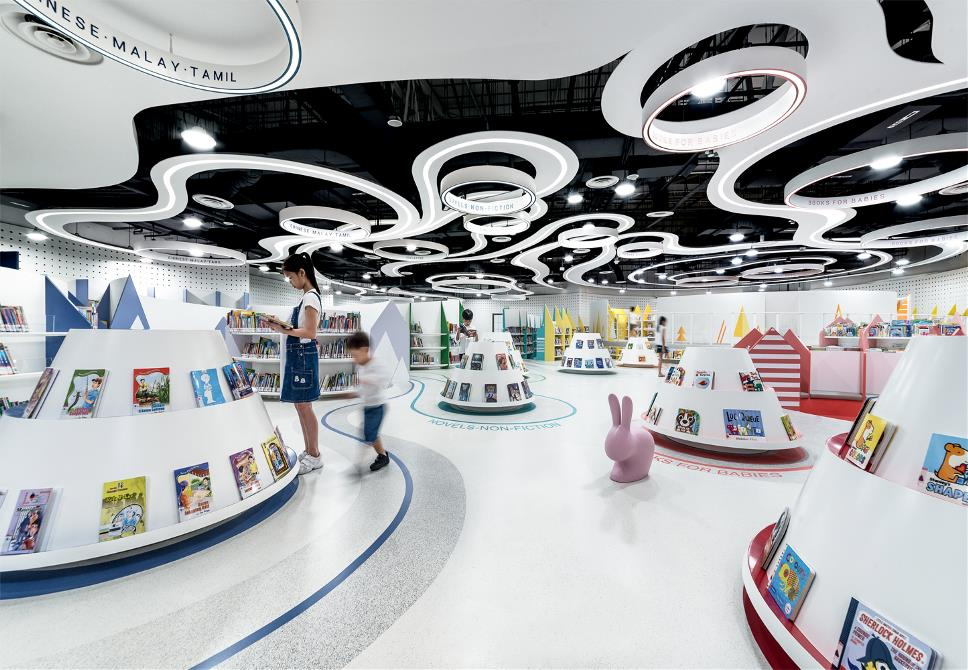
Library@Orchard stands out as a modern gem amidst bustling Orchard Road. Its sleek and contemporary design makes it an aesthetic haven for book lovers. While it provides traditional study tables for those needing a focused environment, it also offers unconventional lounging options like giant steps and cosy reading pods known as “cocoons.” These diverse settings cater to different study preferences, ensuring everyone finds their ideal spot to delve into books or hit the books.

Originally closing its doors in 2007 due to lease complications, Library@Orchard made a triumphant return in 2014 at a new location within Orchard Gateway. Now conveniently open every day from 8 am to 9 pm, it serves as the perfect pitstop for shoppers needing a break from the city’s hustle and bustle. Whether you’re looking for a peaceful place to bury yourself in a book or a cosy spot to catch up on your studies, Library@Orchard provides a refreshing blend of modernism and comfort for all guests.

2. Bishan Public Library

Photo by TimeOut

Situated just behind the bustling Junction 8 Shopping Centre in Bishan, Singapore, the Bishan Public Library is a noteworthy addition to the National Library Board network. What sets it apart is the vibrant stained glass panels inside, casting a lovely dappled light that enhances the reading atmosphere. The building features these neat reading “pods” jutting out from the windows. They provide a peaceful spot for readers to dive into their books or focus on their work, away from the hustle and bustle of the city.

Aside from its beauty, the Bishan Public Library’s design has received praise both locally and abroad, earning several notable accolades for architectural excellence. Aside from its accolades, the library is an important resource for nearby schools such as Catholic High School, Guangyang Secondary School, Kuo Chuan Presbyterian Secondary School, Whitley Secondary School, Raffles Institution, and Raffles Junior College, ensuring that it remains a vibrant hub of learning and discovery in the community.

3. My Tree House – Kids Library

Photo by City Developments Limited

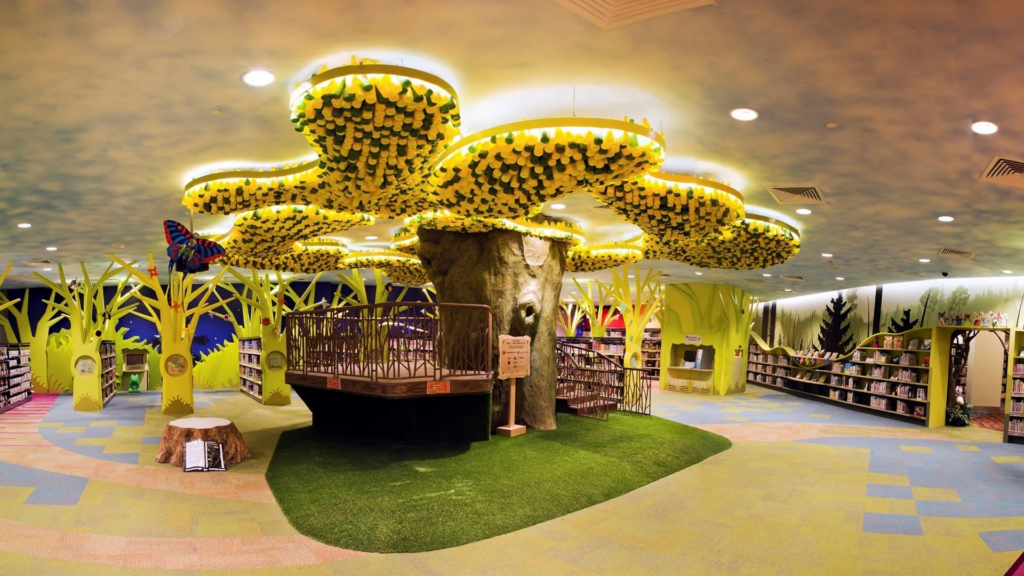
My Tree House, the world’s first green children’s library, is nestled within 100 Victoria Street. Aside from its environmental focus, this library is a veritable treasure trove of fiction novels, with a wide selection sure to grab the interest of its visitors. With roughly 134,000 print pieces available, My Tree House offers an attractive environment for youngsters to embark on literary excursions and explore new worlds through the pages of their favourite stories. 

My Tree House is a vibrant hub of activity that regularly hosts a variety of engaging programmes. From lively book launches and captivating exhibitions to thought-provoking book discussions and enlightening meet-the-author sessions, there’s always something happening within its walls. With daily opening hours from 10 am to 9 pm, My Tree House stands as a beacon of literary wonderment, inviting children to discover the joy of reading in an eco-friendly and enriching environment.

4. Bedok Public Library

Photo by National Library Board

Located just a stone’s throw away from the Bedok Bus Interchange and Bedok MRT station, this library stands as a vibrant hub of knowledge and community engagement. With a huge collection of about 200,000 books, over 300 magazines, and 13,000 audio-visual titles, it provides visitors with a wealth of options to explore. With 435 seats, there is plenty of room for people to read or study comfortably.

For teenagers, there’s a dedicated study area space where they can focus on their academic pursuits. Meanwhile, young readers can immerse themselves in the enchanting world of storytelling at the Story Circle designed specifically for children. Open every day from 10 am to 9 pm, this library serves as a welcoming haven for bibliophiles and learners alike, fostering a culture of curiosity and learning within the community.

5. Bukit Panjang Public Library

Photo by AndrewPhuaPhotos

Bukit Panjang Public Library is located at Bukit Panjang Plaza, 1 Jelebu Road, #04-04 & 16/17. The library features a transport-inspired design, which is a thoughtful touch meant to guide visitors through different zones—like following a journey through books and ideas.

The library also hosts programmes from time to time, including storytelling sessions for children. These sessions often include elements like light, sound, and animation to help bring the stories to life in an engaging way. It’s a nice way for kids to enjoy books in a more interactive setting. The library is open daily from 11:00 AM to 9:00 PM. To stay updated on upcoming events, you can check their official website or follow them on social media.

Book Cafes

6. Cultivate Cafe

Photo by Cultivate Cafe

Nestled within Maxwell Reserve Singapore, Autograph Collection, Cultivate Cafe offers a delightful fusion of culinary delights and literary charm. Its distinct library-themed decor creates a welcoming atmosphere, making it a great place to relax with a book in hand while socialising with friends. The cafe’s walls, lined with bookshelves, not only add to its homey feel but also serve as a stunning backdrop for taking Instagram-worthy images that will undoubtedly leave an impression.

Conveniently open daily from 11 am to 9 pm, Cultivate Cafe beckons both bookworms and food enthusiasts alike to indulge in its captivating environment. Whether you’re craving a delicious meal, seeking a quiet corner to dive into a novel, or simply looking for a charming setting to socialise with friends, this enchanting cafe promises a delightful experience that seamlessly blends gastronomy with literary allure.

7. Jing Si Books & Cafe 

Photo by Chan May Ching

Tzu Chi Jingsi Cafe welcomes visitors with its peaceful atmosphere and stylish decor featuring Jingsi Aphorisms, providing a serene place for relaxation and reflection. The simple yet elegant design offers a break from the busy pace of life, making it perfect for anyone needing a quiet moment. Stepping inside, you’ll feel a sense of calmness, setting the scene for some peaceful time alone or with friends.

You can enjoy the smell of fresh coffee and tea while browsing through the cafe’s selection of books. They’ve got everything from healthy meals like organic rice and noodles to eco-friendly products like handmade soap and Buddhist books. Whether you’re looking to unwind with a good read, enjoy a wholesome meal, or just take a breather, this cafe is the perfect spot for relaxation and rejuvenation.

8. The Book Cafe

Photo by The Book Cafe

Since its establishment in 2000, The Book Cafe has remained a beloved destination for those seeking a laid-back, book-filled hangout in the heart of the Seng Kee Building. With its cosy ambience and shelves brimming with literary treasures, the cafe offers a welcoming retreat where patrons can unwind and indulge in a leisurely meal or a captivating read. 

Beyond its charming ambience, The Book Cafe delights visitors with a diverse menu featuring an array of comfort foods to satisfy any craving. From hearty all-day breakfast options and flavorful Korean-style fried chicken to refreshing salads, pastries, pasta, and sandwiches, there’s something to please every palate. 

9. Book Bar

Photo by Book Bar

A cozy bookstore and café tucked away at 57 Duxton Road. This independent local bookshop focuses on Singapore literature and offers a special selection of books that highlight Asian stories and heritage. It’s a great spot for book lovers to discover something new and enjoy a quiet break.

The space is warm and inviting—perfect for settling in with a good read. While you’re there, you can also enjoy a drink or a bite. They serve coffee, tea, cinnamon toast, onion rings, truffle fries, and even let you make your own sandwiches.

It’s a peaceful place where readers can relax, connect, and take their time. Whether you’re there to browse or simply unwind, Book Bar is a charming spot worth visiting.

10. Epigram Coffee Bookshop

Photo by Tripadvisor

Located within the Singapore Art Museum (SAM) @ Tanjong Pagar Distripark, you’ll find a prominent publisher known for its thought-provoking collection of literature covering all age groups, with a special focus on Singaporean narratives. Epigram Books offers a wide range of titles, from captivating stories of local heritage to contemporary reflections on society, catering to readers who appreciate insightful and engaging storytelling.

Open daily from 11 am to 6:30 pm, even on public holidays, Epigram Books welcomes visitors to dive into the rich world of Singaporean literature amidst the lively atmosphere of the museum. If you need a caffeine fix, the cafe partner, Balestier Market Collective, has got you covered, ensuring you have a complete sensory experience while browsing through the literary treasures on offer. With its commitment to amplifying Singaporean voices and stories, Epigram Books is not just a publisher but also a cultural hub and a haven for literary enthusiasts keen on exploring the depth and diversity of local literature.

These are our top 10 libraries and café shops in Singapore that you must try. If you’re passionate about diving into literature, check out our blog posts on “Wide Sargasso Sea,” “Animal Farm,” or “The Merchant of Venice.” Our Free Resources are designed to deepen your understanding and enhance your analysis skills in English literature. Dive into our downloadable materials for self-study, and if you’re seeking feedback, our ‘Independent’ Marking & Feedback plan on curio.sg is here to help. 

Should TikTok Be Banned?

Nadya Sharfina · March 22, 2024 · Leave a Comment

"As TikTok's popularity soars, governments worldwide grapple with privacy concerns, prompting bans and legislative actions."

TikTok, which is owned by ByteDance, has become a well-known social media platform. However, its popularity hasn’t kept it from facing rising international issues. Governments worldwide are increasingly taking decisive action against TikTok, citing concerns over data privacy and cybersecurity as key drivers behind their moves.

At the time of writing, TikTok is completely banned in Afghanistan, India, Nepal, and Somalia. Some other countries such as Australia, Belgium, Canada, Denmark, New Zealand, Norway and the U.K. have banned TikTok on governmental devices. 

The most recent blow to TikTok in the United States occurred on March 13, when the House of Representatives voted to forward a measure. If passed, this bill could lead to TikTok being banned in a country with one of the largest numbers of both users and creators. Why is the U.S. considering banning TikTok, and who initiated this movement? Should TikTok indeed be banned, considering the implications it may have on its millions of users?

What’s Prompting the U.S. to Ban TikTok?

Photo by Franck on Unsplash

The current news about TikTok potentially being banned in the United States is the result of a House bill that was recently enacted. It is part of an ongoing political debate over the platform. TikTok has been a huge success since its debut in 2017, surpassing Facebook, Instagram, Snapchat, and YouTube in terms of downloads in 2018. However, its quick expansion has alarmed lawmakers, who are concerned about data privacy and censorship due to its Chinese roots.

Despite TikTok’s reassurances that it won’t hand over U.S. user data to the Chinese government, concerns linger. Investigations revealing China-based employees accessing non-public U.S. user data only added to the unease. TikTok claims that U.S. customer data is stored outside of China, mostly in Singapore and the United States, with the assistance of American IT giant Oracle. Many lawmakers, however, have not been happy with these guarantees. This culminated in CEO Shou Zi Chew facing a severe grilling before Congress in March 2023.

Who Initiated the U.S. TikTok Ban?

Photo by Darren Halstead on Unsplash

TikTok has faced numerous bans and attempted bans in many countries in recent years. In 2020, Donald Trump proposed a ban in the U.S., but the courts quickly blocked it, citing First Amendment rights. The following year, the U.S. government restricted the app’s use on official phones, a move that was replicated by at least 34 states by 2023, indicating a broad unwillingness to engage with TikTok inside official circles.

Aside from government prohibitions, TikTok experienced opposition from educational institutions, with over 50 universities in the United States choosing to restrict its usage on campus Wi-Fi and laptops. Meanwhile, India implemented a ban in 2020 following safety concerns. This governmental decision shifted the competitive landscape in India, favouring alternatives such as YouTube Shorts and Instagram Reels.

Even within China, where TikTok is based, the app hasn’t taken centre stage. Instead, Douyin, a locally tailored platform with stricter content moderation, dominates the scene. This divergence demonstrates how TikTok’s presence and reception varied across areas, with regulatory settings impacting its trajectory in each location.

Will U.S. TikTok Shut Down Soon?

Photo by Solen Feyissa on Unsplash

TikTok’s immediate fate has not yet been determined. The Senate must approve the proposal before it becomes law. Although the President of the United States, Joe Biden, has expressed his intention to sign it, it must first pass through the Senate. The timing of this vote remains unknown. 

What Are TikTok Users Saying?

Photo by Josh Rose on unsplash

Many influencers are crossing their fingers, hoping that lawmakers will give the matter a second thought. They argue that TikTok serves as a vital space for bringing people together and discussing important social justice issues. It’s not just about funny dances and light-hearted content; TikTok also hosts meaningful discussions and educational content. The platform has become a powerful tool for amplifying diverse voices and raising awareness on critical issues. Its unique format allows complex topics to be shared in a digestible and engaging way, reaching millions worldwide.

If the House bill makes it into law, it could spell trouble for small businesses and social media influencers alike. Small businesses rely on TikTok for marketing and even run their e-commerce operations through TikTok Shop. For influencers. who have invested years into building their follower base and securing brand deals, this could seriously impact their livelihoods.

Should Countries Ban TikTok?

Photo by Solen Feyissa on Unsplash

TikTok offers more than just entertainment. Alongside fun content, it provides educational, inspiring, and informative material from around the world. For today’s tech-savvy youth, TikTok is a valuable resource for learning in our fast-changing digital landscape.

Deciding whether to ban TikTok, especially for educational use, is complex. On one hand, it offers a variety of educational content, from academic subjects to practical skills. Many educators and learners have utilised TikTok as a supplementary tool for teaching and learning due to its engaging format.

However, issues about data privacy, content filtering, and inappropriate content are all worth considering. While TikTok has educational value, it also has hazards, especially for younger users who are more receptive to incorrect or misleading information.

Instead of an outright prohibition, a more nuanced approach may include setting strong safety controls and standards to limit potential risks. This could include encouraging responsible use, providing tools for digital literacy and online safety, and requiring parental supervision for younger users. Read ‘Navigating Kids to a Secure Online: Tips and Suggestions’

George Goh Ching Wah: The Successful Journey from Factory Sweeper to Billionaire

Nadya Sharfina · March 18, 2024 · 6 Comments

"The success of George Goh Ching Wah demonstrates that early struggles can pave the way to extraordinary achievements."

George Goh Ching Wah stands tall among global business success stories. Yet, beneath the polished exterior of his achievements lies a tale of humble beginnings. Emerging from a poor family background, George Goh Ching Wah’s early years were far from easy street. It was precisely these early struggles that forged the path to the remarkable success he enjoys today.

Goh’s journey proves that hard work pays off. His story offers hope to those who feel trapped by their circumstances, highlighting the power of perseverance and dedication in achieving success.

Early Life and Education

Born on November 25, 1959, in Negeri Sembilan, Malaysia, George Goh Ching Wah faced the harsh realities of poverty from an early age. As the seventh child in a family of nine, Goh grew up in humble surroundings, with a lorry driver father and a mother who tended to their household. Their financial struggles forced them to give up two of their daughters. At the age of 16 years old, Goh dropped out of school and joined his elder sister in Singapore, where she worked as a household helper. 

With limited options available, he secured a job as a sweeper at a shoe factory in Geylang,  earning only $15 per week. While the work was far from glamorous, it gave the means for him to aid his family and help them get through difficult times.

Entrepreneurial Journey

George Goh Ching Wah’s entrepreneurial journey began at a relatively young age, when he founded his first business, DeClassici Shoe Manufacturer, at the age of 22. This bold step into the world of business laid the groundwork for the flourishing career that lay ahead of him. Despite his youth, Goh possessed a relentless drive to achieve, an attribute that would later become the hallmark of his success.

Goh co-founded Ossia International Limited in 1990, marking a significant milestone in his entrepreneurial career. Under his leadership, the company grew and eventually became publicly listed on the Singapore Stock Exchange in 1996. His strategic vision and managerial prowess catapulted Ossia International to new heights, establishing him as an impressive business leader.

Goh expanded his goals beyond local bounds in 1999, teaming with Gerry Harvey, the well-known worldwide retailer, to form Harvey Norman Ossia. With a joint investment of $S33 million, this cooperation made an indelible impression on the Asian retail landscape, demonstrating Goh’s ability to navigate and succeed in the international business sector.

In 2003, Goh demonstrated his commitment to environmental sustainability by co-founding United EnviroTech, a firm specializing in wastewater treatment. This initiative showcased his approach to business, demonstrating his understanding of the importance of corporate responsibility and environmental care in today’s world.

Always eager to explore new horizons, Goh moved into real estate, forming Ossia Land, the property section of Ossia International Limited, in collaboration with other property businesses. This diversification into real estate broadened his corporate portfolio, reinforcing his reputation as a versatile and prominent player in both the business and real estate worlds. George Goh Ching Wah’s entrepreneurial trajectory demonstrates his unwavering desire, innovative attitude, and drive for excellence.

Impact on Society

Photo by Kua Chee Siong on straitstimes.com

George Goh Ching Wah’s life story exemplifies endurance and determination. From humble beginnings as a struggling child worker, he defied the odds to emerge as a titan of entrepreneurship in Singapore. Goh’s early struggles fed his will to succeed, providing the framework for his future endeavors. Despite various challenges, he persevered in his pursuit of achievement.

In 2015, Goh and his wife started a new business by co-founding Border Mission Limited, a charitable organization that helps elderly cardboard collectors and people with disabilities in Singapore. Their missions of charity did not end there; they expanded their reach to distant communities in the Himalayas, displaying their commitment to making a difference beyond boundaries. 

Through his multifaceted contributions to both business and society, Goh has left an enduring legacy in Singapore. His journey from humble beginnings to notable success is a testament to his unwavering resolve and the opportunities he seized along the way. Goh’s impact is truly remarkable and his story serves as a beacon of hope for budding entrepreneurs and philanthropists. It highlights the incredible strength found in perseverance and compassion, showing that with determination and kindness, one can overcome any obstacle. Goh’s journey is a testament to the idea that challenges can be turned into opportunities, and that even in the face of adversity, one can make a lasting difference in the world.

For more stories about inspirational persons, check out Greta Thunberg’s Influence on Today’s Teen Climate Activists.

5 Exciting DIY Projects for Children to Create at Home

Nadya Sharfina · March 12, 2024 · 1 Comment

"Build bonds and memories through creative DIY projects with your child, fostering communication and skills that last a lifetime."

Engaging in DIY projects with your child is an excellent opportunity to strengthen your bond and encourage open communication enjoyably and creatively. Through various DIY projects, such as science experiments, artistic pursuits, or hands-on crafting projects, your child can acquire valuable knowledge and develop practical skills. Transforming your home into a hub of DIY creativity offers a fulfilling way to make your stay-at-home moments enjoyable and memorable for the entire family.

Bookcase

Photo by Lesly Juarez on Unsplash

If your child is a bookworm, a bookcase can be a valuable addition to your home. Not only does it provide a dedicated space for their growing collection, but it also encourages them to read more. For instance, as they finish one book, you can reward them with another, fostering a continuous love for reading. While DIY projects like building a bookcase may demand time and effort, they offer an opportunity for you and your child to bond. Engaging in such projects allows your child to become familiar with household tools, learn about construction, and develop practical skills that can be applied in various aspects of life.

Materials Needed:

  • Wood boards (such as pine or plywood) for shelves and sides
  • Wood screws
  • Wood glue
  • Wood stain or paint (optional)
  • Sandpaper
  • Drill
  • Saw (circular saw or hand saw)
  • Measuring tape
  • Level

Instructions:

Step 1: Measure and cut the wood boards according to your desired bookcase dimensions. You’ll need pieces for the sides, shelves, and back panel.

Step 2: Attach the sides to the shelves using wood glue and screws to create the frame of the bookcase. Make sure everything is square and level.

Step 3: Attach the back panel to the frame using screws and wood glue. This adds stability to the bookcase.

Step 4: Sand the entire bookcase to smooth out any rough edges or surfaces. Apply wood stain or paint according to your preference. Let it dry completely.

Step 5: Use a stud finder to locate wall studs. Secure the bookcase to the wall using screws and wall anchors if necessary, especially for taller bookcases.

Step 6: Once the bookcase is securely installed, arrange your books and other items on the shelves as desired.

Terrarium

Photo by Maud Bocquillod on Unsplash

Embarking on the journey of building a terrarium with your child offers a delightful blend of creativity and education. As you construct the terrarium, you and your child can delve into the world of biology, learning about the plants you’re nurturing. Once the project is complete, it’s important to remind your child about the maintenance required to keep the plants thriving. This hands-on experience not only beautifies your living space but also provides ongoing opportunities for learning and connection with nature.

Materials Needed:

  • Glass container or jar with a wide opening
  • Gravel or small rocks
  • Activated charcoal (optional)
  • Potting soil suitable for terrariums
  • Small plants (succulents, ferns, mosses, air plants)
  • Decorative elements (small figurines, rocks, driftwood)
  • Spray bottle filled with water
  • Gloves (optional)

Instructions:

Step 1: Get a glass container that’s wide enough for easy planting. You can pick clear or coloured glass, and decide if you want it open or closed.

Step 2: Put some small rocks at the bottom for drainage. This keeps water from pooling and causing root rot. You can also add a bit of charcoal on top to keep things fresh.

Step 3: Add potting soil on top of the rocks, about 1-2 inches deep.

Step 4: Take your plants out of their pots, loosen up the roots, and plant them in the soil. Arrange them so they look nice and have space to grow.

Step 5: Spruce up your terrarium with little decorations like figurines or rocks. Just don’t go overboard and crowd the plants.

Step 6: Use a spray bottle to water the soil and plants lightly. Don’t drown them, and only water when the soil feels dry.

Step 7: Put your terrarium where it gets indirect sunlight or bright, filtered light. Avoid direct sunlight, which can fry your plants.

Step 8: Keep an eye on your terrarium for too much water, bugs, or extra growth. Trim any dead leaves and tidy up the soil. With good care, your terrarium will be a lovely addition to your home.

Birdhouse

Photo by Lubomirkin on Unsplash

Constructing a bird feeder or birdhouse can be a delightful project for your child, offering a charming way to entice birds into your balcony or yard while simultaneously providing them with sustenance and shelter. Encouraging your child to participate in building the feeder or house fosters their creativity and nurtures a sense of responsibility towards wildlife. As they observe the birds frequenting their creation, they can learn about different bird species and their behaviours, fostering a deeper connection to the natural world around them.

Materials Needed:

  • Wood boards
  • Wood screws
  • Wood glue
  • Drill
  • Saw
  • Sandpaper
  • Paint or wood stain (optional)

Instructions:

Step 1: Decide on the type and size of birdhouse you want to build. You can find many free plans and designs online.

Step 2: Cut the wood boards according to the dimensions of your chosen design.

Step 3: Assemble the birdhouse using wood glue and screws. Make sure to leave an entrance hole for the birds.

Step 4: Drill drainage holes in the bottom of the birdhouse to allow water to escape and prevent the nesting area from becoming waterlogged.

Step 5: Sand the birdhouse to smooth out any rough edges. You can also paint or stain it to add colour and weather protection.

Step 6: Place the birdhouse in a suitable location, preferably mounted on a pole or hanging from a tree branch.

Step 7: Once installed, keep an eye on your birdhouse and enjoy watching the birds that come to nest in it.

Tissue Box

Photo by amazon.com

A handmade tissue box adds a touch of personalised charm to your home decor, showcasing your child’s artistic skills in a unique way. It can be placed in the living room, kitchen, bedrooms, or any other desired location. Your children can explore different artistic techniques and themes, allowing their creativity to shine through in every brushstroke or design choice. Remember to prioritise cleanliness as you incorporate this decorative piece into your home. 

Materials Needed:

  • Cardboard tissue box
  • Fabric of your choice (cotton, linen, or any fabric you like)
  • Scissors
  • Fabric glue or sewing machine
  • Decorative elements (buttons, ribbons, etc.)

Instructions:

Step 1: Lay your fabric flat and place the tissue box on top. Leave enough fabric around the box to cover it completely, with a little extra for seam allowances. Measure and cut the fabric according to the dimensions of the tissue box, adding about 1 inch (2.5 cm) to each side for seam allowances.

Step 2: Fold the fabric in half with the right sides facing inwards. If your fabric has a pattern, make sure it’s facing the inside of the fold. Sew or glue the side seams together, leaving the top and bottom open. If sewing, use a straight stitch and backstitch at the beginning and end to secure the seams.

Step 3: Test the cover on the tissue box to ensure it fits nicely. Adjust the seams if necessary.

Step 4: Hem the raw edges at the top and bottom of the cover by folding them over about 1/4 inch (0.6 cm) and sewing or glueing them down. This will give the cover a clean, finished look.

Step 5: Get creative and personalise your tissue box cover by adding decorative elements like buttons, ribbons, or appliques. Glue or sew these embellishments onto the cover as desired.

Step 6: Once your cover is complete, slide the tissue box inside and adjust the fabric as needed to ensure it sits neatly inside the cover.

Step 7: Display your cute tissue box cover in any room of your home where tissues are needed. 

Custom Tote Bag

Photo by paper-and-glue.com

A custom tote bag DIY project is a practical endeavour for your child, offering them a versatile accessory they can carry anywhere, whether it’s to school, to the grocery store, or just hanging out with friends. It allows your child to embrace their inner artistic side, particularly if they aspire to be a designer. By customising their tote bag, they can express their creativity while also having a functional item that reflects their personality and style. 

Materials Needed:

  • Canvas tote bag
  • Fabric paints or markers
  • Paintbrushes
  • Stencils (optional)
  • Palette or paper plates for mixing paint
  • Fabric medium (if using regular acrylic paint)
  • Iron (for setting fabric paint)

Instructions:

Step 1: Lay out your canvas tote bag on a flat surface. Make sure to protect your work surface with newspaper or a drop cloth to prevent any paint spills or stains.

Step 2: Plan out your design before painting. Think about what inspires you—whether it’s art, quotes, or patterns—and lightly sketch your ideas with a pencil.

Step 3: Use fabric paints or markers to fill in your design. You can paint freely with brushes or use stencils for more precise patterns. If you’re using acrylic paint, mix it with fabric medium as per the instructions.

Step 4: Play with colours and textures to make your design pop. Painter’s tape can help create clean lines and shapes. Try different techniques to get the look you want.

Step 5: Let your tote bag dry completely to prevent smudging. This ensures the paint sticks well to the fabric.

Step 6: If you’re using fabric paint that requires heat setting, follow the instructions on the paint label. Typically, this involves ironing the painted area on the reverse side of the fabric to set the colours and make them washable.

Step 7: Once dry and set, add any final touches like your name or decorative elements such as buttons or patches. Your custom art tote bag is now ready to use!

These five recommended DIY projects offer fantastic opportunities for quality family time. Whether you engage in DIY activities with your children after their school day or during weekend downtime, they are sure to infuse an element of fun into your family’s time at home. Consider extending your DIY adventures into the kitchen with your kids, teaching them basic cooking skills that will prove invaluable as they grow older. Read Smart Food Choices for Kids’ During Exams. While some DIY projects may require time and patience, they are ultimately rewarding activities that strengthen bonds and create lasting memories for the entire family.

March Holidays: 5 Epic Activities in Singapore!

Nadya Sharfina · March 9, 2024 · Leave a Comment

"Experience the excitement of March holidays with family-friendly adventures, creating lasting memories for all!"

Looking to infuse some excitement into your holiday during the school break? Look no further! There are a plethora of activities these March holidays which are perfect for families, ensuring your kids return to school with refreshed minds and unforgettable memories.  Treat your family to an adventure-filled March holiday. Get ready to create lasting moments and rejuvenate your spirits with these exciting activities!

Singapore Zoo

Photo by Southeast-Asia.COM on Facebook

First, let’s start with adding the Singapore Zoo to your itinerary. One of the highlights that shouldn’t be missed is the newly unveiled KidzWorld. It’s a dedicated space within the zoo designed to captivate and entertain young visitors while providing educational opportunities in a fun environment.

Your child can engage in exciting activities like the Pack Walk and Ranger Buddies Quest. The Pack Walk allows them to tag along with animal friends and their trainers, pausing to greet them at the end of the stroll. 

The Ranger Buddies Quest offers an interactive and gamified park experience tailored specifically for children visiting the Singapore Zoo or River Wonders. Through this quest, your child can delve into the world of wildlife and nature, learning fascinating facts along the way. Equipped with binoculars, they embark on an adventure filled with discovery and wonder, making memories that will last a lifetime.

Forest Adventure

Photo by Forest Adventure

Forest Adventure offers families an exhilarating opportunity to bond while navigating tree-top obstacle courses. Catering to kids of all ages, from little ones to teens, Forest Adventure provides age-appropriate challenges that ensure your child’s safety and enjoyment. The Kids Course is specially designed for children aged 5 to 9 years old, featuring 22 crossings, including 2 thrilling zip lines, tailored to their abilities and interests. 

For older kids, the Junior Course boasts 26 exciting obstacles and 2 ziplines, including one over the water, providing a perfect balance of challenge and excitement. Meanwhile, the Grand Course offers an adrenaline rush for older participants, elevating the adventure to new heights.

What sets Forest Adventure apart is not only the thrilling courses but also its picturesque location within the serene Bedok Reservoir Park. Nestled next to the tranquil waters, the park provides a stunning backdrop for your family’s adventure. As your family engages in these exhilarating activities, your bonds will strengthen, fostering a sense of camaraderie and teamwork among your loved ones.

Kids’ Theatre Show

Photo by TimeOut

Get ready to treat your kids to an array of exciting theatrical experiences! First up, prepare to be enchanted by Matilda The Musical. Inspired by Roald Dahl’s beloved book, this multi-award-winning musical follows the story of Matilda, an extraordinary girl who dares to change her destiny with her sharp mind and imagination. Catch it at the Sands Theatre at Marina Bay from 9th March to 7th April 2024.

Next, don’t miss SmartyPants and the Swordfish. Delving into Singapore’s history while addressing the issue of bullying, this compelling play features collaborative staging between mainstream actors and artists with disabilities. With colourful puppets and an engaging storyline, SmartyPants and the Swordfish promises to captivate both children and parents alike. Catch it at Gateway Theatre’s Black Box from 20th to 24th March 2024 for an unforgettable theatrical journey.

Harry Potter: A Forbidden Forest Experience

Photo by Harry Potter: A Forbidden Forest Experience

Attention all Potterheads! If your family is eager to immerse themselves in the enchanting world of witchcraft and wizardry, then the Harry Potter: A Forbidden Forest Experience in Sentosa is a must-visit. From February 3, Sentosa’s Coastal Trail will be transformed into a magical outdoor trail, celebrating some of the most iconic forest scenes from the Harry Potter and Fantastic Beasts series. Prepare to be mesmerised as enchanting lights illuminate the trail, bringing to life magical creatures such as Hippogriffs, Nifflers, and more.

You can guide your child through this magical adventure, capturing the magic with a wand duel photo opportunity and encouraging them to channel their inner wizard as they attempt to cast a Patronus to illuminate the dark woods. Treat your family to the wizarding world’s famous beverage, Butterbeer, and explore exclusive merchandise from the Harry Potter and Fantastic Beasts movies at the gift shop. Don’t miss out on this enchanting opportunity to explore the wizarding world in a whole new light!

Gallery Children’s Biennale

Photo by National Gallery Singapore

The Gallery Children’s Biennale has been a significant program of the National Gallery Singapore since 2017, aiming to ignite curiosity and creativity in young minds through art. It seeks to provide children with opportunities to learn, play, and engage more deeply with the world around them. The events include workshops, performances, and talks, offering a diverse range of experiences for children to explore.

Parents can easily keep track of upcoming events by visiting the website for updates on dates and locations. One noteworthy event, “Soundmakers” by LittleCr3atures, is scheduled for March 16, 2024, from 14:00 to 16:30 at B1 Koh Seow Chuan Concourse Gallery. This workshop offers children an interactive platform to explore the realm of sound and unleash their creativity through art.

Here are all the 5 fun things you and your family can enjoy during the holidays! There are plenty of ideas on where to go and what to do in Singapore (Checkout ‘Big Fun: Five Awesome Activities for Kids in SG’), and you can also spend time with your family exploring culinary delights (Checkout ‘Best Restaurants with Play Areas in Singapore’). If you want your kids to have an educational experience, you can sign them up for courses during the holidays (Checkout ‘5 Educational Courses for Kids in the Holidays’).

How to Excel in School: All About Curio Classes

Sandy · March 8, 2024 · 5 Comments

"At Curio Classes, education transcends mere exam preparation; it's about fostering meaningful connections, exchanging stories, and sharing wisdom, making each session special and memorable."

Curio Classes are more than just tuition sessions. They involve more than exam preparation and more than a two hour session a week. Curio classes are special – and memorable – because of the way our teachers connect with our students, the stories they exchange and the wisdom they share. As educators with many years of experience under their belt, our teachers are well equipped to handle both the cognitive and affective aspects of students’ lives. 

What happens in a Curio class? Here is what we cover in English and Literature Lessons at Curio!

Curio Classes – Online Tuition Programmes

Photo by Katerina Holmes on Pexels

At the time of writing, Curio offers English Language, English Literature and General Paper group tuition in online classes. We cover the ‘O’ level, ‘A’ level and the new Singapore-Cambridge Secondary Education Certificate (SEC) which is to be offered in 2027. We also teach students in the Integrated Programme (IP) be it English, Literature or Language Arts. 

How Do Online Lessons Work?

Photo by Armin Rimoldi on Pexels

Zoom

At Curio, we use Zoom for our video calls. Zoom allows for Curio teachers to connect with their students virtually, as well as to instruct using a virtual whiteboard – students can write on it too, making it an interactive way to learn. We also use breakout rooms for when we need to speak to a smaller group of students or even just one student in order to provide extra guidance. 

Google Classroom

Our learning platform is Google Classroom, which most students are very familiar with. We upload all worksheets, notes and resources on this page, as well as instructions. 

How We Work Together

During Zoom sessions, students will work on their individual Google docs. Teachers can view these documents and will work with students during lessons, often using the ‘Edit’ or ‘Comment’ functions to provide individual feedback. The best part about learning online this way is that students and teachers can continue to work on these documents after classes are over, ensuring that learning is reinforced. 

How Do Curio Teachers Ensure That Learning is Effective?

Photo by Katerina Holmes on Pexels

In line with our commitment to excellence, we have only NIE trained teachers with an excellent track record. At Curio, we do not believe that a two hour session is always sufficient for learning to be complete. We commit to ensuring that students have access to their teachers throughout the week for additional support. Students often don’t know what they don’t know, and with this in mind, teachers will provide materials and worksheets to enhance students’ understanding wherever they need it most. This ensures that weak areas are continuously worked on until students feel confident in their ability and the demands of the subject. 

Moreover, we acknowledge the significance of accessibility and flexibility in education. Thus, our online platforms for English Language, General Paper and Literature tutoring, enable students to participate regardless of their location.

English Language Tuition (Integrated Programme) – IP

Photo by Armin Rimoldi on Pexels

The Hook

Our IP English classes have fascinating themes and as such, teachers begin the lessons with a little hook. If the topic is on the environment for example, students might watch a little video or read a photo-essay about climate change. They will then be prompted to either reflect or discuss their thoughts on the topic which usually gives rise to a lively discussion! 

The Skill

Teachers will then guide students back to the focus of the lesson – be it essay writing, comprehension or critical response (AQ for JC students) – and will go into detail about a particular skill which students will be expected to harness by the end of the lesson. Examples of skills range from understanding characterisation in Narrative Writing to mastering the IYOW (in your own words) question for Comprehension. 

The Method

Once teachers have thoroughly gone through the skill that students are expected to pick up by the end of the class, they will introduce students to the content. This may involve planning out points for an argumentative essay, or coming up with examples for an application question. Teachers will alternate between group discussions and individual work at this point, utilising students’ personalised Google docs and breakout rooms on Zoom. 

English Language Tuition (‘O’ Levels or Singapore-Cambridge Secondary Education Certificate) – SEC

Photo by Mikhail Nilov on Pexels

The Hook

Our ‘O’ level or SEC English classes will have common themes which are tested for Orals, Listening, Comprehension and Essay Writing. As such, teachers will usually begin the lessons with a discussion around topics such as volunteering or technology. Students are prompted to discuss their thoughts on the topic and the teacher will go through a suggested response for an Oral examination. Some lessons include a mini listening comprehension as well, whereby students listen to audio or watch a video and then answer questions pertaining to what they heard. These hooks ensure that students are always kept in touch with these two particular components of the exam which are often left to the last minute. 

The Skill

Teachers will then guide students back to the focus of the lesson – be it essay writing, comprehension or situational writing. They will go into detail about a particular skill which students will be expected to harness by the end of the lesson. Examples of skills range from understanding how to use signposts and connectors while writing essays, to mastering the art of tone when writing proposals or articles for Situational Writing. 

The Method

Once teachers have thoroughly gone through the skill that students are expected to pick up by the end of the class, they will introduce students to the content. This may involve planning out points for an expository essay, or identifying answers correctly in a comprehension passage. Teachers will alternate between group discussions and individual work at this point, utilising students’ personalised Google docs and breakout rooms on Zoom. 

English Literature Tuition (‘O’ levels, SEC or ‘A’ levels)

Photo by Zen Chung on Pexels

As different schools are covering different novels, plays or poetry, we try to group students according to school or text. We even have classes which cover only Unseen Poetry (to the great joy of our JC students). Our Literature classes are incredibly enjoyable as students not only learn how to tackle the exams, they also learn empathy, appreciation and how to broaden their worldview. Classes for younger students typically begin with a quiz (with Kahoot, Blooket etc) to help them to remember the plot of a novel. We then go on to teach annotation and answering techniques (e.g using PEEL, PEAL or PEDAL). Older students benefit from an in depth discussion of a poet, playwright or novelist’s works. This is followed up with essay outlines or a detailed analysis of passage based questions.  

How to Excel in Literature: Haroun and the Sea of Stories

curiosg · March 8, 2024 · Leave a Comment

“Nothing comes from nothing, Thieflet; no story comes from nowhere; new stories are born from old--it is the new combinations that make them new.”
― Salman Rushdie, Haroun and the Sea of Stories

Author’s Background
Quiz Chapter 5

“Haroun and the Sea of Stories” is a captivating novel written by Salman Rushdie in 1990. It tells the story of a boy named Haroun who sets out on an extraordinary journey to restore his father’s ability to tell stories. Along the way, he encounters a fascinating array of characters and ventures into a magical world where imagination reigns supreme.

The book delves into themes of creativity, freedom of expression, and the power of storytelling. It’s a whimsical adventure that highlights the importance of preserving the richness of our imagination in the face of adversity. Through its enchanting narrative, “Haroun and the Sea of Stories” invites readers to embark on a voyage of discovery and rediscover the magic of storytelling.

Photo by mrunamistry.com

You can use our worksheets to study on your own. For more insightful feedback and comprehensive comments, you can try out the English Literature Programme that’s only on Curio.sg!

Haroun and the Sea of Stories: Quiz Chapter 5

curiosg · March 8, 2024 · Leave a Comment

"He knew what he knew: that the real world was full of magic, so magical worlds could easily be real."

― Salman Rushdie, Haroun and the Sea of Stories


  1. “Haroun had to admit that that was a reasonable remark” What remark is Haroun referring to?
  2. “Any story worth its salt can handle a little shaking up!” What does ‘worth its salt’ mean?
  3. What is a term that can be used to describe Khattam-Shud?
    a. Arch enemy of language
    b. Prince of Silence
    c. Foe of Speech
    d. All of the above
  4. Which land is bathed in “eternal sunshine” and in which land is it always “the middle of the night”?
  5. Why does Haroun reject Butt’s explanation about why one half of Kahani is always in daylight while the other is in darkness?
  6. “All units have been ordered back to base” Why did Iff not receive this command?
  7. Describe in detail the appearance of the “Floating Gardener”, Mali.
  8. What is the title of Mali’s occupation and what tasks does he do to carry it out?
  9. On pg. 83, find a simile that is used to describe floating gardeners.
  10. On pg. 83, find and state TWO consequences of the pollution that has occurred in the Sea of Stories.
  11. Why do Plentimaw fishes speak in rhyme?
  12. What are the names of the two Plentimaw fishes that Haroun met?
  13. Why are the Plentimaw fishes unwell?
  14. What is the title of the Plentimaw fishes’ occupation and what tasks do they do to carry it out?
  15. What happens in the Old Zone?
  16. Why was the Parliament of Gup known as “Chatterbox”?
  17. Who is part of the army in Gup? What are their titles and how are they organised?
  18. Why did people “turn in disbelief” to look at Haroun?
  19. What machines do the Eggheads operate and what is the outcome they get out of operating these machines?
  20. Why is Haroun “astounded” at who the Walrus is?

Haroun and the Sea of Stories: Author’s Background

curiosg · March 8, 2024 · Leave a Comment

"Through 'Haroun and the Sea of Stories,' Salman Rushdie mirrors his path from Bombay to literary prominence, embracing adversity with the captivating allure of storytelling."


Salman Rushdie, a British-Indian author born on June 19, 1947, in Bombay (now Mumbai), India, has established himself as a prominent figure in contemporary literature. Known for his mastery in blending magical realism with political and historical narratives, Rushdie gained international acclaim with his critically acclaimed and controversial novel, “The Satanic Verses.”

Rushdie’s early life was marked by a multicultural upbringing, reflecting the diversity of his heritage. He pursued higher education in England, attending King’s College, University of Cambridge, where he studied history. His literary career began with the publication of his first novel, “Grimus,” in 1975, but it was the release of “Midnight’s Children” in 1981 that catapulted him to literary stardom. The novel, exploring the history of post-colonial India through the lives of its protagonists, won the Booker Prize and the Booker of Bookers, further solidifying Rushdie’s reputation as a literary force.

However, Rushdie’s life took a dramatic turn with the publication of “The Satanic Verses” in 1988. The novel, which explored themes of religion and identity, ignited widespread controversy and led to a fatwa (religious decree) issued against Rushdie by Iran’s Ayatollah Ruhollah Khomeini. The fatwa, calling for Rushdie’s assassination, forced him into hiding for several years, during which he continued to write and advocate for freedom of expression.

Amidst the challenges and threats he faced, Salman Rushdie authored “Haroun and the Sea of Stories,” a departure from his previous works in terms of genre and tone. Published in 1990, the novel is a fantastical tale that intertwines elements of myth, fable, and allegory. “Haroun and the Sea of Stories” is a story within a story, unfolding in a magical land where storytelling is integral to maintaining harmony and balance. The protagonist, Haroun, embarks on a quest to restore the Sea of Stories after it is polluted by dark forces.

The reasons behind Rushdie’s creation of “Haroun and the Sea of Stories” are multi-faceted. The novel, written during a tumultuous period in the author’s life, served as a creative sanctuary and a means of expressing resilience in the face of adversity. It allowed Rushdie to delve into the enchanting realm of storytelling, offering a cathartic escape from the harsh realities he confronted. Furthermore, the narrative in “Haroun and the Sea of Stories” can be interpreted as a celebration of the power of storytelling, emphasising its role in preserving cultural identity, combating censorship, and fostering imagination.

In crafting “Haroun and the Sea of Stories,” Salman Rushdie demonstrated not only his versatility as a storyteller but also his ability to navigate complex themes with grace and humour. The novel stands as a testament to his unwavering commitment to the transformative and redemptive power of literature, even in the face of profound personal and political challenges.

5 Simple Tips: Helping Your Child Ace General Paper

Nadya Sharfina · March 6, 2024 · 3 Comments

"Mastering General Paper demands more than just knowledge; it requires critical thinking and strategic preparation to excel at the challenging A-Level exam."

General Paper, known as GP, can be one of the toughest exams for students to face at the A Levels. It requires not just knowing about current events and global issues, but also thinking critically about them. Whether they want to improve their argumentative skills or become better at analysis, there are proven methods to boost their GP grades. In this article, we’ll share five tips to help your child ace the GP exam and reach their full potential!

1. Embrace the Power of Reading

Photo by Pixabay on Pexels

Improving English proficiency requires consistent exposure to the language, and one of the most effective ways to achieve this is through regular reading. Encourage your child to build a habit of reading academic articles, opinion pieces, and essays. If this feels too challenging at first, starting with fiction is a good alternative. However, prioritising nonfiction is essential when preparing for GP, as it strengthens critical thinking and language skills.

Research consistently shows that regular reading brings long-term benefits. Children who read frequently tend to perform better than their peers, both academically and professionally. To help your child succeed in GP, it’s important to nurture strong reading habits and emphasise the value of meaningful, substantial reading.

2. Keep Updated with Current Events

Photo by Markus Winkler on Unsplash

In General Paper, students are expected to have a broad understanding of various subjects ranging from history and politics to science and literature. There’s a practical way to keep your kids ahead of the curve: keeping them informed about current events.

Encouraging engagement with current affairs doesn’t mean burying their noses in heavy textbooks or scholarly journals. Instead, it’s about integrating the habit of staying updated into their daily routine. Consider recommending reputable news sources and popular news accounts on social media platforms. By doing so, they’ll receive a steady stream of updates and insights throughout their day, effortlessly keeping them in the loop with what’s happening around the globe.

As they immerse themselves in the world of current events, encourage them to pay attention to recurring themes, significant developments, and controversial issues. Encourage them to take note of stories that resonate with them or relate to topics they’ve encountered in GP. These real-life examples provide useful weaponry for creating arguments for their writings. By including current events in their GP preparation, they not only broaden their understanding of the world but also provide themselves with a diverse set of examples and views to support their arguments and analysis.

3. Engage in Thought-Provoking Discussions

Photo by Mimi Thian on Unsplash

Crafting an effective argument entails more than simply presenting one’s point of view; it also necessitates a thorough understanding of opposing ideas. Unlike expository essays which emphasise impartiality, GP essays rely on the art of persuasion along with a fair assessment of opposing points of view. Engaging your children in thought-provoking talks can be quite beneficial in developing this talent. These informal discussions provide an excellent opportunity to explore different points of view and challenge long-held ideas in a supportive and intellectually stimulating setting.

Consider enrolling your child in a JC GP Tuition class to enhance their learning, such as Curio GP classes, which offer lessons on essay writing strategies, comprehension and AQ. In these classes, students will explore various topics like social, political, economic, and environmental issues alongside their tutor and classmates. By approaching these issues from different perspectives, they’ll gain a better understanding of complex subjects and improve their critical thinking skills. Engaging in debates will help them develop stronger argumentative techniques and expand their knowledge.

As your children immerse themselves in these exchanges, remember the significance of embracing diverse viewpoints. Each perspective brings valuable insights and challenges, helping them understand complex issues better. Through active participation and open-mindedness, they’ll improve their ability to express clear arguments that resonate widely. 

4. Mastering Question Analysis

Photo by Kaitlyn Baker on Unsplash

Having extensive general knowledge and persuasive skills aren’t enough if your children struggle to understand essay questions accurately in General Paper. GP prompts often contain subtle nuances and tricky wording, so your children must identify and respond to key terms effectively to earn marks.

If they’ve grappled with writing essays that miss the mark, dedicating time to dissecting and analysing questions’ keywords can prove immensely beneficial. By honing their ability to identify critical elements within prompts, they’ll develop a sharper focus on crafting precise and relevant responses.

Pay close attention to nuances such as absolutes (e.g., never, always), question words prompting specific actions (e.g., Who will? When should? Is this true? Why did? Where did?), and terms signalling the topic at hand. Additionally, be vigilant for terms requiring clarification or definition (e.g., freedom, justice, equality, power). Through systematic examination and practice, they’ll cultivate a discerning eye for dissecting essay prompts, thereby enhancing their capacity to deliver cogent and on-point responses in their General Paper essays.

5. Active Learning Process

Photo by Zen Chung on Pexels

Actively learning new words and phrases boosts your child’s brainpower. When they engage in activities like reading, vocabulary exercises, or using flashcards, they’re exercising their memory and language skills. This deliberate practice helps reinforce their vocabulary over time, making it stick better.

Think of it like a workout routine for your child’s brain. Each time they actively interact with new words, they’re strengthening their ability to remember and use them. Whether they’re reading, doing exercises, or reviewing flashcards, every bit of practice counts toward expanding their vocabulary. By staying proactive in their learning approach, they’ll steadily build a richer vocabulary that enhances their language skills.

In conclusion, as you help your child gear up for the General Paper exam, it’s important to understand that success isn’t just about cramming facts. It’s also about nurturing critical thinking and communication skills. By emphasising the importance of reading, staying in the loop with current events, having meaningful discussions, mastering question analysis, and staying engaged in learning, you’re giving them the tools they need to do well. Encourage them to explore different ideas, challenge their own perspectives, and enjoy the journey of intellectual growth. 

Taylor Swift’s Songs in Literary Debate

Nadya Sharfina · March 2, 2024 · 10 Comments

"Taylor Swift's lyrics resonate worldwide, capturing hearts and sparking debate on their literary depth."

Only a few musicians in popular music capture the same level of attention and affection that Taylor Swift does. Swift has established herself as one of the most influential figures in contemporary pop culture, through her catchy melodies and relatable lyrics. Her songs have a strong resonance with listeners all across the world.

As Swift continues to garner numerous prestigious awards and acclaim for her contributions to music, a more serious concern arises: Do Taylor Swift’s lyrics have any real literary value?

Narrative Structure

Photo by Getty Image

Many of Taylor Swift’s songs are like mini-novels set to music. They begin someplace, take us on a journey, and conclude, exactly like narratives found in books. They stand out because they explore topics such as love, heartbreak, friendship, and personal growth—the things that make life feel like a story worth telling. Taylor is a skilled storyteller, combining her experiences into relevant stories that hit close to heart.

Take “Champagne Problems,” for instance. It explores the idea of problems that might seem small to others but carry significant weight for the individual. Taylor Swift’s song paints a vivid picture of someone struggling with personal issues, like turning down a marriage. The lyrics, such as “Your mom’s ring in your pocket, My picture in your wallet, Your heart was glass, I dropped it, Champagne problems,” capture the essence of the song’s emotional depth. In her typical style, Taylor Swift’s song feels genuine and sincere, offering insight into human emotions and relationships.

Then there’s “Speak Now,” which feels like a musical version of a rom-com. With her lyrics and catchy tunes, she tells this story about a girl crashing a wedding. In the song, she urges, “Don’t say yes, just run away now. I’ll meet you at the back door when you’re out of the church. Don’t bother saying any vows.” Every verse gets us closer to the couple’s daring escape. It’s lighthearted but expertly produced, demonstrating Taylor’s exceptional storytelling ability.

Symbolism and Metaphor

Photo by Getty Image

Taylor Swift does more than simply create great songs and relatable lyrics; she’s also great with symbolism and metaphor. These literary techniques give her songs more depth and delicacy, allowing them to connect with listeners on a deeper level. Taylor uses sophisticated wordplay and imagery to tell stories inside her songs that are up to interpretation.

In “Red,” Taylor Swift crafts another poignant metaphor that captures the complexity of relationships. When she sings, “Fighting with him was like trying to solve a crossword and realising there’s no right answer,” She offers a realistic image of the frustration and futility that many people feel during arguments. 

Taylor’s metaphor captures the sense of ambiguity and uncertainty that can occur when two people clash. Like a difficult crossword with no clear answer, the tensions she recounts leave both sides confused and uncertain of how to proceed. It’s an effective portrayal of the complexity that comes with interactions between people, where emotions, egos, and opposing viewpoints frequently collide.

Taylor’s use of metaphor may also be seen in “All Too Well.” This song is a lyrical gem. The scarf metaphor evolves into a powerful symbol of lost love and nostalgia, weaving its way through the words as a physical recollection of a previous relationship. The scarf takes on a life of its own, representing the memories and feelings that endure long after the relationship is over. 

Through songs like these, Taylor Swift showcases her skilful use of symbolism and metaphor, turning everyday objects and experiences into profound reflections on life, love, and the human condition. It’s this ability to infuse her music with layers of meaning that sets her apart as one of the most compelling songwriters of our time.

Commercial Intent

Photo by Getty Image

Taylor Swift is known for writing songs that fascinate large audiences. Critics, on the other hand, are sceptical of Swift’s commercial success. They say that, while her songs top the charts, their commercial success frequently overshadows their creative merit. In the competitive world of pop music, where success is judged by record sales and sold-out arenas, Swift’s critics wonder if her financial success detracts from her song’s literary value.

Although Swift’s songs reach millions of people around the world, her creative value remains debatable. She’s constantly managing commercial success and staying faithful to her talent, balancing pop recognition and critical acclaim. However, in an environment where entertainment and expression intersect, Swift’s music may be worth appreciating for its capacity to bridge the gap between commercial appeal and artistic expression, exceeding the confines of traditional literary discourse.

Cultural and Societal Bias

Photo by Billboard

Cultural and societal biases frequently cast shadows over popular culture, including music, potentially clouding judgments on whether Taylor Swift’s songs may be considered literature. Within literary circles, old-fashioned forms and genres take primacy over modern commercial music, affecting conceptions of what constitutes literature. This bias can lead to songs being excluded from literary discourse, as certain scholars and critics value the written word over the auditory experience provided by music.

However, such biases may obscure the literary value of Swift’s music. While her music may not meet conventional literary requirements, it is indisputably culturally significant and resonates strongly with millions of listeners around the world. By widening the definition of literature to include various forms of artistic expression, such as music, we may see Swift’s contributions as part of a rich and developing literary landscape.

Despite some critics’ concerns about Swift’s commercial appeal, there’s no questioning her ability to balance pop popularity and literary recognition. While cultural biases may sometimes exclude modern music from literary conversations, Swift’s work questions established assumptions of what constitutes literature. By encouraging us to appreciate music’s storytelling power, she expands our understanding of the various types of artistic expression that influence our world.

Thinking of doing a deeper dive into Literature? Try out Curio’s classes and immerse yourself in the fabulous worlds made up of prose, poetry and plays! 

Improving Grades: 6 Strategies for Bouncing Back

Nadya Sharfina · February 26, 2024 · Leave a Comment

"Facing academic challenges builds resilience; it's not about the setbacks, but how children bounce back that truly matters."

Navigating academic challenges is an essential part of a child’s educational journey. Receiving less-than-desirable scores can frequently serve as a watershed moment for growth and introspection. Children will undoubtedly suffer obstacles in their pursuit of academic achievement. Yet, what really counts is how they tackle these setbacks, showing their grit and resolve. In the following article, we look at five strategies that that could aid students in regaining their academic footing and coming out stronger.

1. Request Feedback

Photo by Karolina Grabowska on Pexels

Many students are either afraid of approaching their teachers or simply assume that these educators won’t have the time for them. Seeking feedback from teachers can be a crucial step for children bouncing back from bad grades. They shouldn’t hesitate to reach out to their teachers for insights into where they may have faltered. Asking teachers to review their assignments or exams not only demonstrates their willingness to learn but also provides valuable insights into their mistakes. Understanding the feedback offered allows children to pinpoint areas for improvement, giving them a clear roadmap for tackling similar tasks in the future. This proactive approach not only helps clarify misunderstandings but also strengthens the student-teacher relationship, making it easier for students to grow and improve over time.

By actively requesting feedback, children demonstrate that they value their teachers’ expertise and are eager to study hard to improve their comprehension. They should use the opportunity to learn from their mistakes and utilise feedback as a springboard for academic advancement. Remember that teachers are there to support students throughout their educational journey, and by connecting with them positively, they lay the road for future academic achievement.

2. Learn from Mistakes

Photo by Tima Miroshnichenko on Pexels

When faced with a disappointing result, students must reflect on the feedback and determine where changes can be made. They should analyse the reasons for the grade and use them as guidelines for future tasks or exams. If time management is an issue, students should develop and adhere to a timetable that allows for effective study periods. If they are having difficulty understanding the subject, they should not hesitate to seek additional resources or support from their teacher or peers. 

Many students are shy about asking questions in class. The fear of being laughed at by classmates or wasting time may prevent them from asking. Encouraging them that it is okay to ask questions and reassuring them that teachers are willing to help students facing difficulties can be helpful. If they are too shy, they can approach their teachers privately during school breaks or after school.

It is not about avoiding mistakes entirely, but rather about learning from them and coming out stronger on the other side. Accept the learning process and allow each setback to lead them toward higher academic accomplishment.

3. Create a Solid Plan

Photo by MART PRODUCTION on Pexels

Children must strike a balance between correcting past mistakes and keeping up with present homework. A well-thought-out approach guarantees that children don’t sacrifice the quality of their latest assignment while also addressing areas where they may have fallen short earlier this semester. By properly arranging their activities and deadlines, they may prioritise and deploy time and resources where they are most required. Read How to Set Goals and Achieve Them in the New School Year.

Parents should think about using school breaks and vacation days strategically to tackle looming homework and relieve some of the strain. These breaks provide essential opportunity to concentrate on larger projects or catch up on overdue responsibilities while avoiding the pressures of regular academics. By taking advantage of these opportunities for rest, people can make great progress toward improving their academic standing while maintaining a healthy work-life balance. 

4. Organise Notes

Photo by Monstera Production on Pexels

Teaching your children how to organise their notes effectively can significantly enhance their ability to study and retain information. Begin by guiding them to categorise their notes by subject and topic and sub-topics, helping them establish a structured framework for easy reference. This methodical approach ensures that pertinent information remains easily accessible, minimising the time spent searching for specific topics during review sessions.

To augment clarity and comprehension, encourage the use of headings, bullet points, and highlighting techniques within their notes. Explain how headings delineate different sections, providing a logical flow to their study materials. 

Consider involving your children in the process of integrating colour coding into their note-taking system to further enhance organisation and facilitate cognitive associations. Guide them in assigning distinct colours to various topics or concepts, which fosters visual differentiation, aiding in content categorisation and comprehension. Read 5 Ways to Take Better Notes in Class.

5. Explore Enrichment Hobbies

Photo by Ryutaro Tsukata on Pexels

When considering hobbies, opt for activities that offer more than mere entertainment. Aim for pursuits that contribute positively to your child’s growth and development. Activities like reading, writing, drawing, playing musical instruments, coding, or even cooking provide a range of cognitive benefits that extend beyond leisure.

For example, engaging in hobbies such as reading and writing can help expand your children’s vocabulary, improve their comprehension skills, and stimulate their imagination. Similarly, drawing provides a creative outlet that encourages self-expression and visual problem-solving, while playing musical instruments nurtures discipline, coordination, and auditory processing skills. Read 5 Educational Courses for Kids in the Holidays.

6. Consider a Tutor

If children find themselves grappling with the stress of homework overload and struggling to keep up with their grades, you should consider enlisting the help of a tutor to navigate the remainder of the semester for your children. A tutor can be a valuable ally in their academic journey, offering personalised support and guidance to help them salvage their grades. Whether your children are facing challenges in specific subjects or simply need an extra boost to stay on track, a tutor can provide the assistance they need to thrive academically. Read The Cost of Tuition in Singapore: 2024 Edition

English tuition is important in today’s education scene, especially since English is a core subject for students, whether they’re gearing up for O level or A level exams. At Curio.sg, we offer online English language and literature tutoring tailored for secondary school and JC students. Our tutors aren’t just familiar with the curriculum; they’re also skilled at teaching their subjects effectively. With experienced NIE-trained and ex-RGS teachers,  , we provide personalised guidance and resources to help students excel in English and Literature. From mastering grammar and vocabulary to developing critical thinking and communication skills, our classes can make a real difference in helping students achieve academic goals and secure top grades.

8 Effective Ways to Study Maths for Your Kids

Nadya Sharfina · February 22, 2024 · Leave a Comment

"Mathematics may seem daunting, but with the right strategies, students can conquer challenges and build confidence in their skills."

Mathematics can be one of the hardest subjects for many students. It requires not only logical thinking but also a deep understanding of fundamental principles. The sheer complexity of some mathematical problems can drain both the energy and mental capacity of students, leaving them feeling overwhelmed and frustrated. No fear, there is always a solution! This article aims to provide valuable insights into seven effective strategies for parents to help their kids tackle maths with confidence and proficiency. 

1. Don’t Ignore Maths Textbooks

Photo by Lum3n on Pexels

Mathematics homework assignments serve as opportunities for your kids to solidify their understanding of the concepts discussed during class. It’s recommended not to jump straight into tackling complex questions, as it could be time-consuming. Starting with simpler questions from the textbook allows your kids to grasp the fundamentals before moving on to more challenging tasks. Afterwards, comparing their solutions with the textbook’s answers can help them identify any missteps in their approach. The textbook has been written in a way to help break down the thinking process required for new topics. Use it well! 

2. Review Past Tests and Quizzes 

Photo by Annie Spratt on Unsplash

Another effective way to improve maths skills is to review past tests and quizzes. Instead of merely glancing over the mistakes, your kids should take the time to rework the questions they answered incorrectly. (If you need to, rewrite those sums out for them on another piece of paper.) This active engagement helps reinforce the correct methods and trains their problem-solving skills. 

3. Write Down and Learn Formulas

Photo by Karolina Grabowska on Pexels

Mathematics, much like language, has its own set of vocabulary, or in this case, formulas. Kids must familiarise themselves with these formulas before a test to ensure they grasp what’s being asked of them. Encouraging them to write down formulas for different equations can aid in their memorisation process. 

Transforming these formulas into formula cards and integrating them into interactive activities can enhance children’s engagement in learning. You could consider s writing them on sticky notes and strategically placing them on their study table or incorporating them into games. You can even consider decorating their room or study spaces with diagrams and formula posters to create immersive learning environments. Any visual reinforcement can be highly effective. Through repeated exposure, these formulas gradually become embedded in their memory, sometimes even subconsciously.

4. Understand the Derivation

Photo by Monstera Production on Pexels

Maths requires the use of logical thinking, and also offers different ways to solve problems. While memorising formulas is important for tests, understanding where they come from is even more crucial. Kids can’t just memorise formulas; they need to know why they work. For example, Rather than only memorising multiplication tables, kids can understand the concept by relating it to repeated addition. For instance, if they have 3 groups of 4 apples each, they can count by 4s three times (4 + 4 + 4 = 12) to understand why 3 x 4 equals 12.

Encouraging kids to think about why maths works the way it does helps them understand it. This kind of hands-on learning not only helps them with maths but also teaches them to think critically and solve problems. 

5. Keep it Neat

Photo by cottonbro studio on Pexels

A maths workbook is a valuable tool for kids. Teaching them to keep it neat and organised sets a good foundation for effective studying. Encourage kids to write clearly and legibly, using headings and subheadings to structure their work and highlight important points throughout the exercises.

One common challenge kids face is deciphering their handwriting, which can sometimes resemble a maze. To help them navigate through their work smoothly, advise them to always include the question number and the entire numerical question, leaving ample space between each problem as they progress down the page. If they make mistakes, it’s important not to simply scribble over them but rather to mark them with a small cross and include a brief note about what they’ve learned. Keeping sketches and doodles to a minimum also helps maintain focus and prevents distractions from the task at hand.

6. Form a Study Group

Photo by Karolina Grabowska on Pexels

Some kids may find it challenging to be actively engaged in the classroom. They might feel hesitant to ask questions in front of their peers or fear being judged by the teacher for not understanding certain concepts. In such cases, establishing study groups can be beneficial. Working alongside friends or siblings creates a supportive environment where kids can feel more comfortable asking questions and discussing their doubts. By studying in groups, kids can help each other stay focused and learn from one another’s perspectives. 

Parents can play a role in facilitating these study sessions by offering a safe environment at home and ensuring that the study spaces are comfortable and conducive to concentration. On the parents’ side, it involves not only monitoring their children’s study sessions but also providing support and understanding if their children need to study late into the evening, without fearing for their safety.

7. Practice Online

Photo by Robo Wunderkind on Unsplash

Parents can enhance their children’s learning by providing access to resources and platforms that promote active learning. This might include downloading practice questions, enrolling them in online classes – read ‘Singapore’s Top 5 Tuition Centres’, or conducting a quick Google search. Additionally, educational videos on platforms like YouTube offer valuable insights and explanations.

These are some of our YouTube channel recommendations:

  • Khan Academy: Known as the best and most popular instructional channel, Khan Academy offers a wide range of videos covering both complex and basic topics across various subjects.
  • Tecmath: This channel provides maths hacks and simple tricks that you may not have learned in school. With easy-to-understand visuals, you can quickly grasp the concepts presented.
  • mathOgenius: This channel offers videos about maths and other related sciences, providing valuable content for learners.
  • Mathematics Tutorial: Similar to Tecmath, this channel provides tricks and useful hacks to aid in understanding mathematical concepts.

8. Employ Maths in Real-World Applications

Photo by Karolina Grabowska on Pexels

Encouraging kids to explore maths beyond the classroom can significantly enhance their understanding. There are numerous opportunities to apply mathematical concepts in real-life scenarios. Whether it’s calculating the bill at a restaurant, figuring out income tax returns, playing Monopoly or determining discounts while shopping, these everyday situations offer valuable learning experiences for kids.

By actively involving children in such activities, parents can help them develop a deeper appreciation for the relevance of maths in their daily lives. Encouraging kids to apply maths outside the confines of textbooks empowers them to see the practical implications of mathematical concepts. It equips them with valuable problem-solving skills that are essential for navigating the complexities of everyday life.

  • « Go to Previous Page
  • Page 1
  • Interim pages omitted …
  • Page 7
  • Page 8
  • Page 9
  • Page 10
  • Page 11
  • Interim pages omitted …
  • Page 14
  • Go to Next Page »

CURIO

Copyright © 2026 Curio Singapore · Log in

  • Home
  • Journal
  • Contact
  • Terms and Conditions
  • Free Resources