• Skip to primary navigation
  • Skip to main content
CURIO SG

CURIO SG

Holistic Education

  • Home
  • Programmes
    • Secondary School Programmes
      • English Language ‘O’ Level Programme
      • English Literature ‘O’ Level Programme
    • Junior College Programmes
      • English Literature ‘A’ Level Programme
      • GCE ‘A’ Levels: General Paper
    • IP
      • IP Programme: English Language
      • IP Programme: English Literature
    • Crash Courses
      • O Levels English Language
  • Free Resources
  • About
  • Journal
  • Curio Assessment Books
  • Show Search
Hide Search
You are here: Home / Archives for travel

travel

Wandering Through Japan: Notes From a 20-Day Trip

Nadya Sharfina · January 6, 2026 · 2 Comments

“Twenty days, four cities, and memories that will last far longer.”

Near the end of the year, I finally got the chance to spend 20 days in Japan, something I had been looking forward to for a long time. During the trip, I visited Tokyo, Osaka, Kobe, and Kyoto, moving between busy cities and more relaxed areas.

Everything felt very different compared to where I come from. The food, culture, and overall atmosphere were all new to me, and each place left its own impression. It turned into a trip filled with experiences and moments I know I’ll look back on for a long time.

Tokyo

I arrived in Tokyo at six in the morning after an eight-hour flight from Jakarta. The first thing that greeted me was the cold air, and it surprised me in a good way. Living in Jakarta, I’m used to tropical temperatures around 26°C, so stepping into 14°C felt incredibly pleasant and easy on my body.

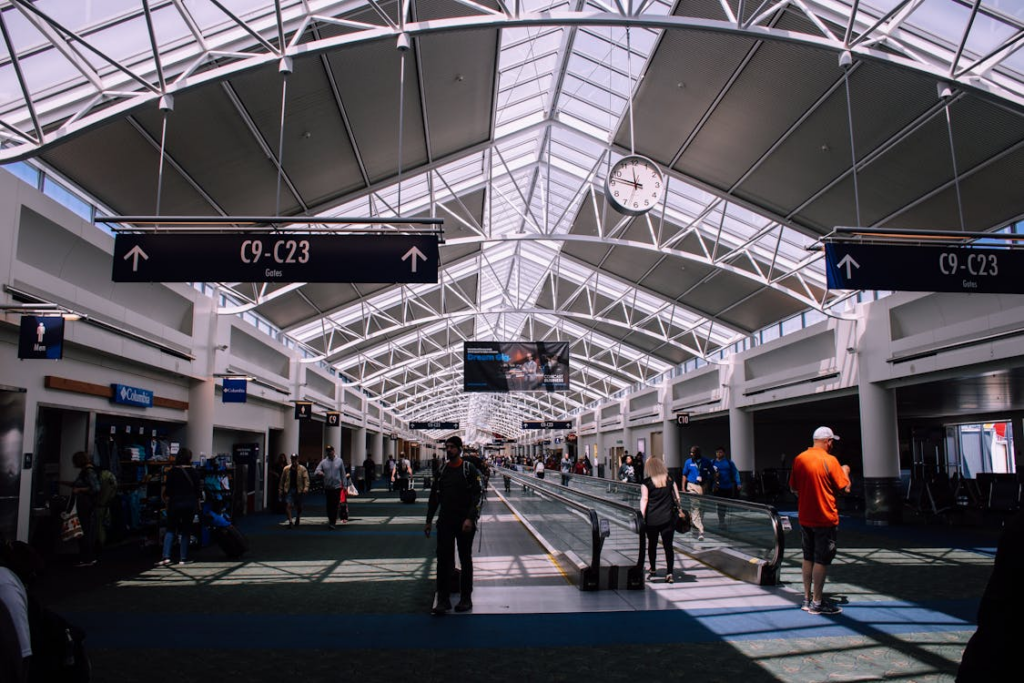
After landing at Narita Airport, I headed straight to my hotel in Shinjuku by train. The ride took about an hour, and I enjoyed watching the scenery slowly change along the way. The train system felt efficient and easy to follow, which helped a lot for a first day in a new country.

My hotel turned out to be very well located. It was close to two stations, which made getting around Tokyo much easier. Shinjuku Station was about a 15 minute walk, while Shin-Okubo Station was only five minutes away. With access like that, moving between different areas of the city felt convenient.

One of my early stops was the Hokusai Museum in Sumida. The entrance fee was 1,000 yen, and photography was not allowed inside the exhibition rooms. The museum displays high-quality replicas of Hokusai’s artworks, including the famous Great Wave. There were multilingual panels and videos that explained the works clearly. The atmosphere inside felt quiet and peaceful, and I really enjoyed taking my time there. The museum shop was just as interesting as the exhibition itself, and I spent almost the same amount of time browsing souvenirs as I did viewing the art.

I also visited Minato, where I spent some time walking around Tokyo Tower before heading to teamLab Borderless nearby. The digital art museum is very popular and talked about by many people. It features large, dark indoor spaces filled with colourful and futuristic installations. The ticket price was around 3,800 yen. To be honest, I didn’t enjoy it as much as I expected and only stayed about 45 minutes, shorter than what I had planned. The museum itself was well done, but it didn’t leave a strong impression on me. With that budget, I personally would have preferred spending time at a more traditional museum, such as the Samurai Ninja Museum, Edo-Tokyo Open Air Architectural Museum, the Tokyo National Museum, or the Nezu Museum.

I stopped by a popular restaurant called Tsujihan and had to wait around 45 minutes to get in. The queue was filled not only with tourists but also with many locals, which already said a lot about how well-known the place is.

Harajuku was another highlight, especially Meiji Shrine. There was no entrance fee, and the space felt calm despite being near busy streets. Visitors can pray, make offerings, or write wishes on wooden plaques. Near the main sanctuary, there is a special box where you shake a canister to draw a numbered stick, then find the matching poem. The poems are available in Japanese and English and offer guidance inspired by Emperor Meiji and Empress Shoken. Joining this ritual felt special, offering a peaceful pause to experience Japan’s religious traditions and cultural atmosphere up close.

Shibuya and Harajuku are close enough to explore on foot, so I walked between the two areas. I spent time shopping for clothes around Harajuku and wandering through Takeshita Street, where I tried several kinds of street food. Shibuya Station was another stop, mainly to see the Hachiko dog statue and the famous Shibuya Crossing. Watching the crowds move in every direction at once was fascinating.

I also visited Shinjuku Gyoen National Garden, which has an entrance fee of 500 yen. During fall, the garden shows beautiful colours like orange, yellow, and green, with leaves covering the ground and cool wind passing through the trees. People were hanging out with friends, having picnics, taking photos, reading books, or simply sitting quietly and enjoying the view. The park is huge, making it one of the largest green spaces in central Tokyo. I can imagine how beautiful it must be during other seasons as well.

My favourite part of Tokyo was probably walking around at night. The city lights, the crowds, and the constant movement made the city feel alive. I spotted the huge Godzilla head on top of the Shinjuku Toho Building, the 3D cat at Cross Shinjuku Space, street musicians performing along the sidewalks, and so many gachapon machines that I couldn’t resist trying one. When hunger hit, places like Omoide Yokocho or Golden Gai were easy choices, filled with narrow alleys, street food, and tiny restaurants. Tokyo has so much to offer that even five days didn’t feel like enough time to see everything.

Osaka

After spending five days in Tokyo, I headed to Haneda Airport early in the morning and flew to Osaka. The flight was short, about one and a half hours, and it felt like a smooth transition into the next part of my trip.

I stayed in the Kita-Senri area, and it felt completely different compared to Shinjuku. The neighbourhood was quiet and calm, and I barely saw any tourists around. It felt more local and slower-paced compared to Tokyo. The weather was colder here as well, and the wind made it feel even chillier. During my final days, the temperature dropped to around -1°C.

Getting around was still easy since the Kita-Senri train station was only about a five-minute walk away. I planned to stay in Osaka for 15 days, so having a comfortable and accessible area really helped. With that much time, there was no rush, and I could enjoy the city at a relaxed pace.

One of my day trips was to Minoh Falls. There was no entrance fee, and the walk to the waterfall was about 3 kilometres, taking around 45 to 60 minutes. Along the way, I passed temples, souvenir shops, and plenty of beautiful scenery. I also tried some street food, including grilled momiji made of maple leaves and taiyaki filled with chocolate and custard. Taiyaki has become my favourite Japanese snack, and every time I spot a taiyaki stand, I can’t help but stop to buy one.

After visiting Minoh Falls, I continued to Katsuoji Temple. The reason there are so many daruma dolls there is tied to tradition. Visitors buy a blank-eyed daruma, paint one eye while setting a goal, then fill in the second eye once the goal is achieved before returning it to the temple as a way of giving thanks. Because of this, daruma dolls can be seen almost everywhere around the temple grounds. Placed along paths, on small platforms, near fountains, and even resting on tree branches. The entrance fee was 500 yen, and with the ticket, I also received a blank paper that could be used to collect stamps at different spots around the temple.

I also visited Tennoji Zoo, which was smaller than I expected but still interesting. The zoo is divided into several areas, including African animals, reptiles, an aviary, primates, and animals that live in colder climates. It took around three hours to explore everything properly, and there were also small museums inside. The entrance fee was quite affordable at 500 yen.

For shopping, Umeda and Dotonbori are the main areas. Umeda has many large malls, so it helps to research ahead and know exactly where you want to go. Without Google Maps, it would be easy to get lost. In Dotonbori, I tried the famous coin-shaped snack with cheese and custard fillings, and it was so delicious. There’s also a well-known ramen place called Ichiran that many people line up for.

When I wanted something quieter and away from the crowds, Banpaku Park was a great choice. The park has wide lawns, forests, museums, Japanese gardens, and the iconic Tower of the Sun. The entrance fee is 500 yen, and bringing snacks makes it easier to relax, enjoy the scenery, and spend hours there without worrying about food.

My favourite place in Osaka, though, was Osaka Castle. The castle was incredibly beautiful, and I could have admired it for hours. The white walls combined with green roofs and gold details stood out against the surroundings. Seasonal flowers, impressive stone walls, wide moats, and historic gates created a mix of nature, history, and sweeping city views.

During my stay, I visited the library several times. It opens from 10 a.m. to 6 p.m. and has plenty of tables and charging spots, making it a comfortable place to work or study. I was surprised to see many elderly people there reading novels or newspapers. It reminded me how much Japanese people enjoy reading. You can spot people reading everywhere. Parks, trains, cafés, both young and old, and it was a nice thing to observe.

Another thing I noticed during my walks was how many elderly people were out on their own. Some were hiking uphill paths, while others moved slowly through the city with the help of a walking stick. Seeing that level of energy at an older age was honestly inspiring and made me wonder if this is one of the reasons the Japanese tend to live longer. 

I also really loved the atmosphere in Osaka. People felt warm and welcoming, often greeting me with a simple “konnichiwa” as we passed each other on the street. It felt different compared to Tokyo, maybe because the pace here is slower and less intense. I felt especially lucky during my stay in Kita-Senri, as there happened to be a fireworks festival nearby. I ended up spending about an hour watching the fireworks at Kita-Senri Park, and it felt like a special way to end the day, adding an unforgettable memory to my time in Osaka.

Kobe

Kobe was an easy day trip during my stay in Osaka. The train ride took about an hour, making it easy to visit without staying overnight. I spent the day exploring the city and returned to Osaka in the evening, which worked out nicely.

My main destination was Kobe Beach. I honestly couldn’t remember the last time I had been to a beach, so being there felt really nice. Even though swimming wasn’t an option because the temperature was around 7°C, I still enjoyed sitting on the sand and letting the waves reach my feet every now and then.

I planned to head to Kobe Port Tower to catch the sunset, but I didn’t make it in time. The walk from the beach was longer than I expected, and hunger kicked in, so I stopped to eat instead. I wasn’t disappointed, though, since I had already experienced sunset views at Tokyo Skytree. Kobe Port Tower is lower compared to that, but the view was still enjoyable in its own way.

At night, one thing that stood out was the Kobe mountain lights sign. Seeing the illuminated anchor and city emblem glowing on the side of Mount Rokko, something you only really notice when you slow down. Once again, I found myself enjoying nighttime walks more than rushing between destinations. There was something about the atmosphere of walking through the streets that felt very different from Jakarta, where getting around usually means driving instead of strolling.

In Japan, I was able to slow down and take things as they came. I noticed small details, stopped when something caught my attention, and visited food stalls or small shops along the way. With the Christmas season around, the city felt warmer and more inviting. Christmas trees, street lights, and soft lighting added a festive touch. It’s funny how something so simple made the experience especially enjoyable, something I don’t often get to feel back home.

Kyoto

Kyoto was another easy day trip during my stay in Osaka. Similar to Kobe, the round trip took about two hours in total. Kyoto has so many famous attractions, but since I only had one day, I had to be selective with my plans.

I started the day with a simple brunch by the Kamo River, enjoying a sandwich while sitting near the water. The area felt relaxed and open, with people walking along the river, cycling, and having small picnics. It was a nice way to slow down and ease into the day before heading to busier spots.

My next stop was Fushimi Inari Taisha, also known as the Thousand Torii Gates. Foxes, or kitsune, are everywhere here, appearing as statues, symbols, and souvenirs. They are considered sacred messengers of Inari, believed to protect crops, ward off pests, and bring good fortune. Many of the fox statues hold symbolic items like keys or jewels in their mouths.

The shrine is famous for its winding paths lined with more than 10,000 bright vermilion torii gates that lead up Mount Inari. Walking through the gates felt immersive, with each turn revealing another stretch of glowing red pillars. 

Later in the day, I visited the area near the Kyoto Imperial Palace. The grounds are filled with tall trees and quiet walking paths, creating a calm atmosphere right in the middle of the city. I also explored the Sento Imperial Palace area, which offers a small glimpse into former imperial life. The gardens and traditional buildings felt elegant and well cared for. Both Fushimi Inari Taisha and the Kyoto Imperial Palace were free to enter, which made the visit even more enjoyable.

To me, Kyoto feels much more traditional compared to Osaka and Kobe. While walking around, it’s common to see people wearing a kimono, especially near temples and shrines. Knowing that Kyoto served as Japan’s imperial capital for over a thousand years, that sense of history feels very present in everyday life. Ancient temples, quiet shrines, palace grounds, peaceful gardens, and old wooden machiya houses blend naturally into the city. 

—

Would I like to visit Japan again someday? Yes, absolutely. There’s still so much I didn’t get to see. I didn’t make it to Mount Fuji this time because the journey takes quite a while from Tokyo. It felt more practical to use that time exploring different parts of Tokyo instead of committing a full day to a trip near Fuji. During the fall, Mount Fuji is also harder to see since the sky isn’t as clear as it is in the summer.

Next time, I’d love to spend a few days in places like Nara, Hokkaido, and Shirakawa. I like the idea of not rushing through attractions, but staying longer, slowing down, and enjoying daily life. Just being there sounds really appealing.

That said, Tokyo is where my heart stays. It honestly surprised me, because I’m not usually someone who enjoys crowded places. I’m the type who wants to leave as soon as it starts to feel overwhelming. But something about Tokyo, especially Shinjuku, really stuck with me. There are still so many streets, neighbourhoods, and places I want to explore. I feel like I could spend an entire month in Tokyo alone and still discover something new every single day.


Celebrate Singapore’s Birthday at Science Centre: Special SG60 Promos Inside!

Nadya Sharfina · June 30, 2025 · 10 Comments

“Celebrate Singapore’s 60th birthday by discovering the wonders of science together at Science Centre Singapore.”

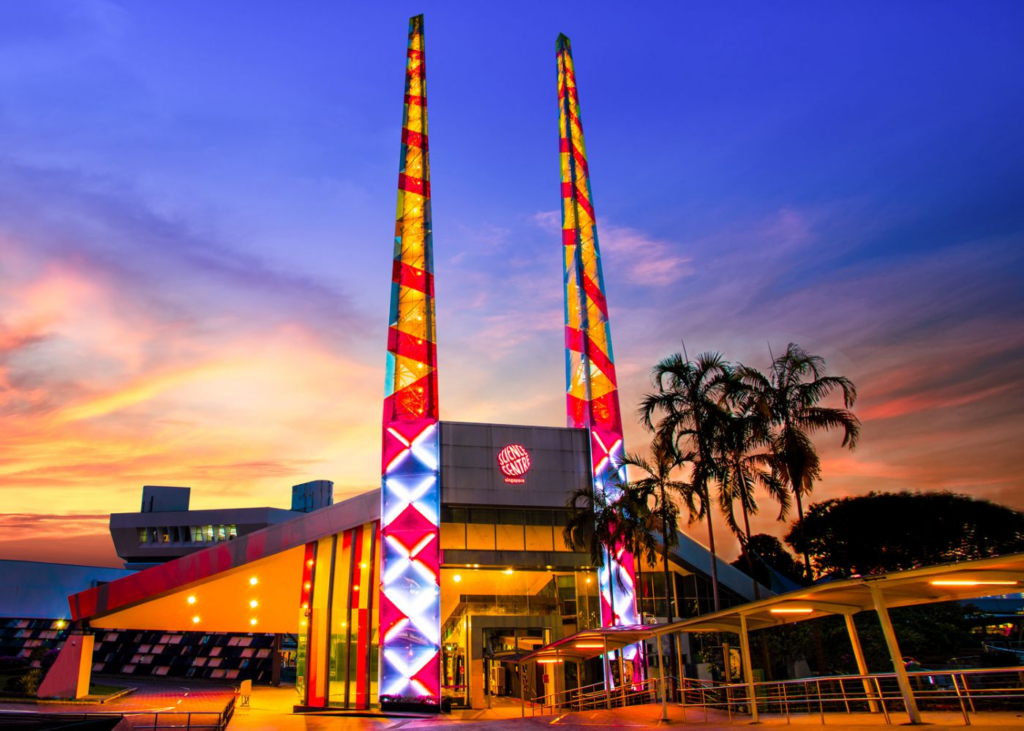
Singapore turns 60 this year, and Science Centre Singapore is marking the occasion with fun, hands-on STEM experiences for the whole family. Known for making science exciting and accessible, the Centre is the perfect place to spark curiosity in young minds. They’re offering some great SG60 ticket deals to make your visit even sweeter. These exclusive offers will be available from 1 June to 31 December 2025. Read on to find out more about these promos and how to make the most of your family day out!

New Immersive Films to Catch at the Omni-Theatre

If you haven’t visited the Omni-Theatre lately, now’s the perfect time. As Southeast Asia’s first 8K dome-screen theatre, it offers an unforgettable experience that blends stunning visuals, surround sound, and storytelling, all designed to spark wonder in kids and adults, too!

There are two new educational films now showing:

  • Animal Kingdom:
    This 40-minute film takes you on a journey through the natural world, following the lives of animal families across every corner of the planet. Soar with birds, buzz along with insects, swim through coral reefs with fish, and explore the world of reptiles and amphibians. Then, join the mammals as they roam the land in all their strength and variety. It’s a visually stunning and engaging introduction to the diversity of life on Earth.
  • Cities of the Future:
    Running for 45 minutes, this thought-provoking film invites viewers to imagine what our world could look like in 50 years. Through vivid storytelling and immersive visuals, it explores smart cities built for sustainability, featuring everything from renewable energy and space-based solar power to self-recycling systems and personal maglev pods. There’s even a glimpse of electric flying vehicles in action. It’s an inspiring peek into the possibilities ahead.

These films strike a great balance between inspiring ideas and engaging storytelling, perfect for sparking curiosity in kids. If you’re planning a visit, make time to catch them while they’re showing!

Enjoy Special Ticket Deals at the Omni-Theatre

The Omni-Theatre has you covered with some great promotions in celebration of Singapore’s 60th birthday. Whether it’s your first time or a return visit, now’s the perfect moment to experience this one-of-a-kind dome-screen theatre without breaking the bank.

  • Omni-Theatre Special:
    Catch a stunning 3D movie in Southeast Asia’s very first 8K dome theatre for just $6 (U.P. $14). With ultra-clear visuals and wraparound sound, it’s an unforgettable way to learn about the world in a whole new dimension.
  • Science Centre + Omni-Theatre Bundle:
    Why choose one when you can do both? For only $8 (U.P. from $16), this bundle deal gives you access to both the Science Centre and Omni-Theatre, all in one day. It’s a great way to explore science through hands-on exhibits and then sit back for an incredible cinematic journey.
  • Family Pack:
    The Family Pack includes entry for two adults and two children to both the Science Centre and Omni-Theatre for just $24 (U.P. $36). That’s a whole day of learning and fun, all for less than the cost of a regular movie night!

These limited-time promotions offer an easy way to spend meaningful, screen-free time as a family. You’ll get a full day of fun and learning as your children explore hands-on exhibits at the Science Centre and enjoy the immersive visuals at the Omni-Theatre. The experience is designed to spark curiosity and encourage a natural interest in how the world works. These special SG60 offers are open to Singapore Citizens and Permanent Residents only, so don’t miss the chance to enjoy them while they’re available.

Click here to book your ticket and start planning your family’s adventure today!

Let Your Child Step into the Shoes of a Young Scientist

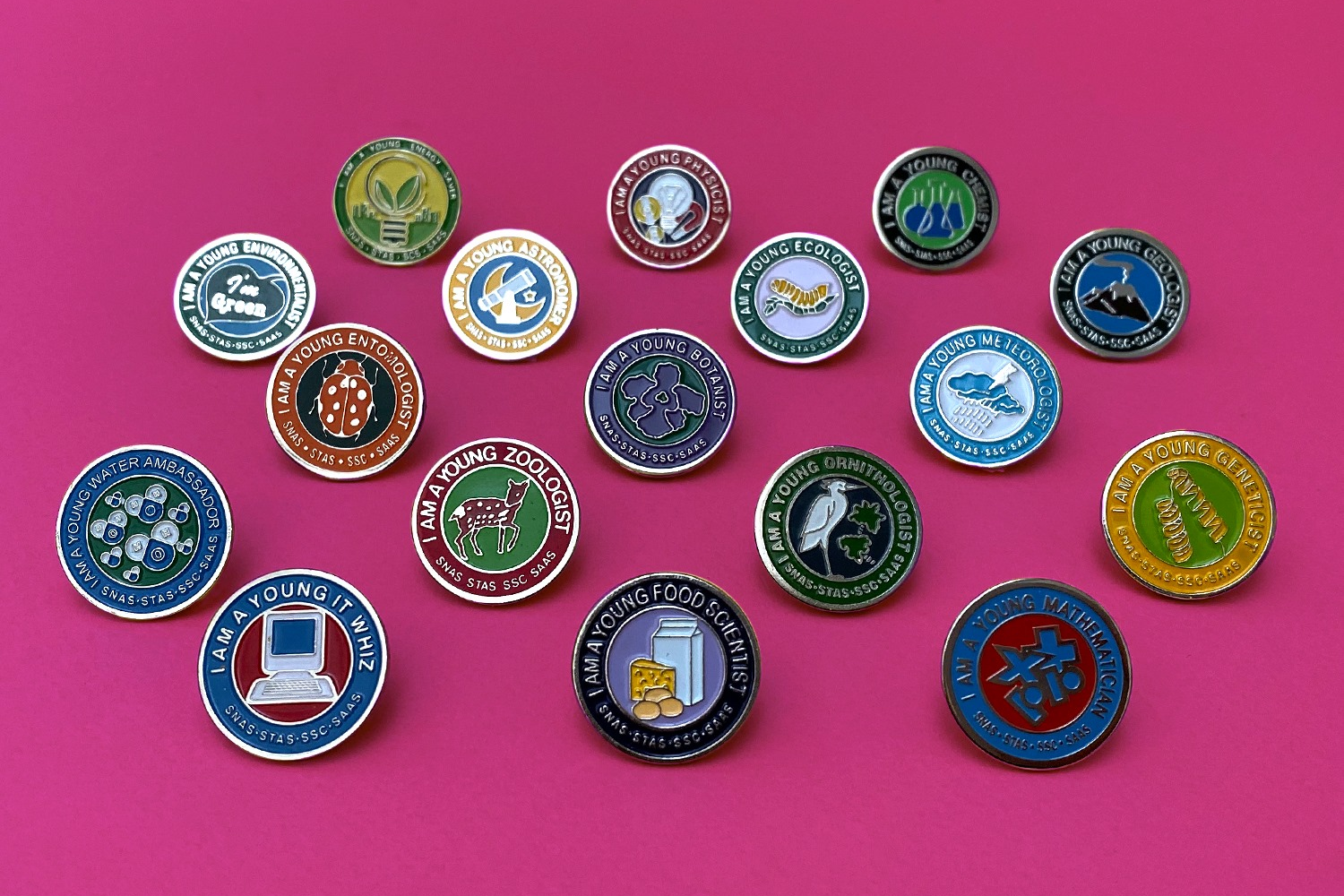
If your child loves asking questions, exploring how things work, or getting hands-on with experiments, the Young Scientist Badge (YSB) Programme is the perfect way to nurture that curiosity. Launched in 1982 by the Science Centre Board, this long-running initiative is designed to spark an interest in STEM (Science, Technology, Engineering, and Mathematics) among primary school students through fun, self-directed learning.

To celebrate Singapore’s 60th birthday, the programme is introducing a special SG60 badge and it’s one your child will want to collect! Simply complete any two Young Scientist badges between January and December 2025, and they’ll earn the limited-edition SG60 badge for free. Bonus: if a badge is completed onsite at the Science Centre, your child will receive a stamp on their stamp card toward this reward.

There are plenty of ways to get involved. Kids can join online courses, attend holiday workshops, follow self-guided activity trails, or take part in guided sessions with instructors. Each completed badge comes with an e-certificate, and the platform offers 365-day access to online content, so learning can happen at their own pace.

The YSB programme encourages kids to explore science beyond the classroom, helping them develop initiative, creativity, and a stronger sense of curiosity about the world around them.

Click here for more details on how badges can be completed and how your child can start their journey toward earning the SG60 badge!

Check out more articles: A Playful Visit to the Museum of Ice Cream with Kids, and 10 Educational Places to Visit in the June School Holidays.

Smart Packing Tips for Traveling with Kids

Nadya Sharfina · December 16, 2024 · 5 Comments

"With a few thoughtful strategies, packing for a trip with kids can be simple, organised, and stress-free."

Travelling with kids can be fun, but it comes with its fair share of challenges—especially when it comes to packing. The key is to strike a balance between being prepared for the unexpected and packing light enough to avoid unnecessary stress.

With a few smart strategies and essential packing tips, you can keep your trip running smoothly. This guide will walk you through how to make packing easier and help you stay ready for whatever comes your way.

Have a List

Photo by Nataliya Vaitkevich on Pexels

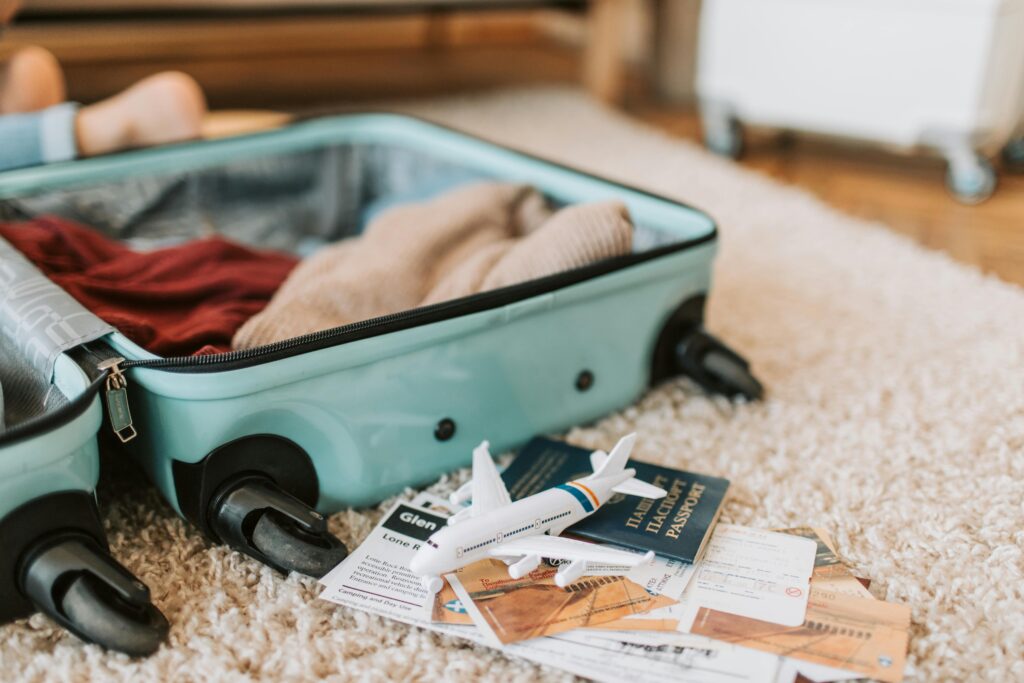
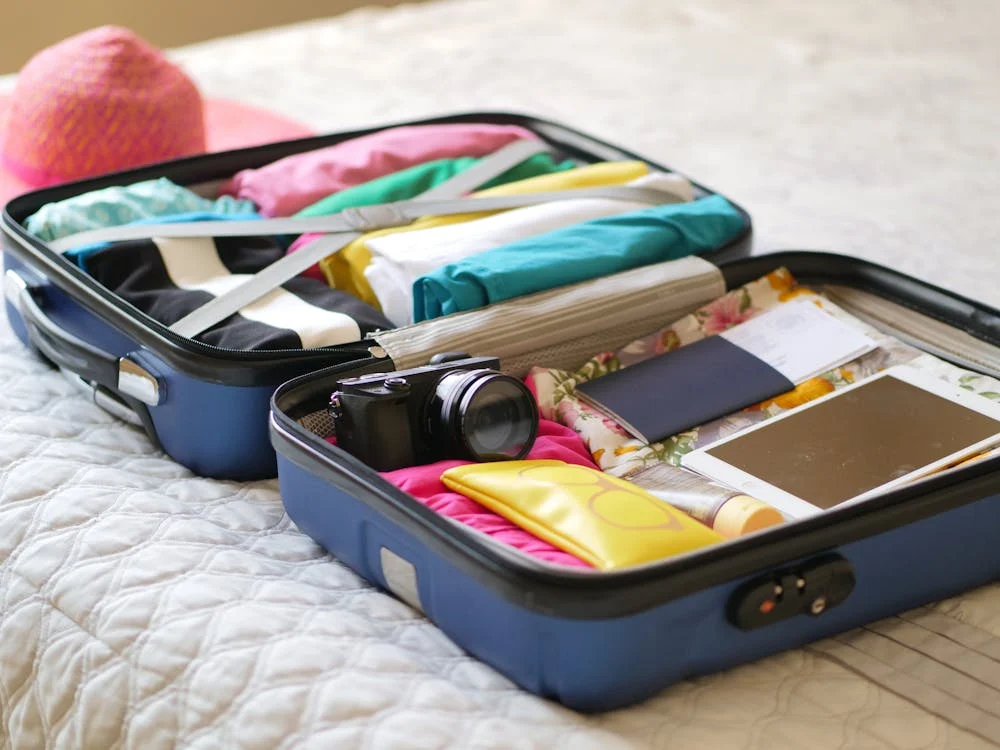
Starting with a list can greatly simplify the packing process. Before you begin tossing items into suitcases, take a moment to write down everything you’ll need. A well-thought-out list helps keep you organised and ensures you don’t forget essential items. Including your kids in the planning can also make packing easier. Ask them what they’d like to bring, such as their favourite toys, books, or snacks. 

As you pack, cross-check the items against your list to avoid doubling up or missing anything. Sometimes, you might already have some items tucked into your luggage or travel bags from previous trips, so double-check before adding duplicates. Taking the time to follow a list ensures that nothing important gets left behind, saving you from last-minute stress when you’re on the road or at the airport.

Check on Your Luggage Weight Allowance

Photo by Brett Sayles on Pexels

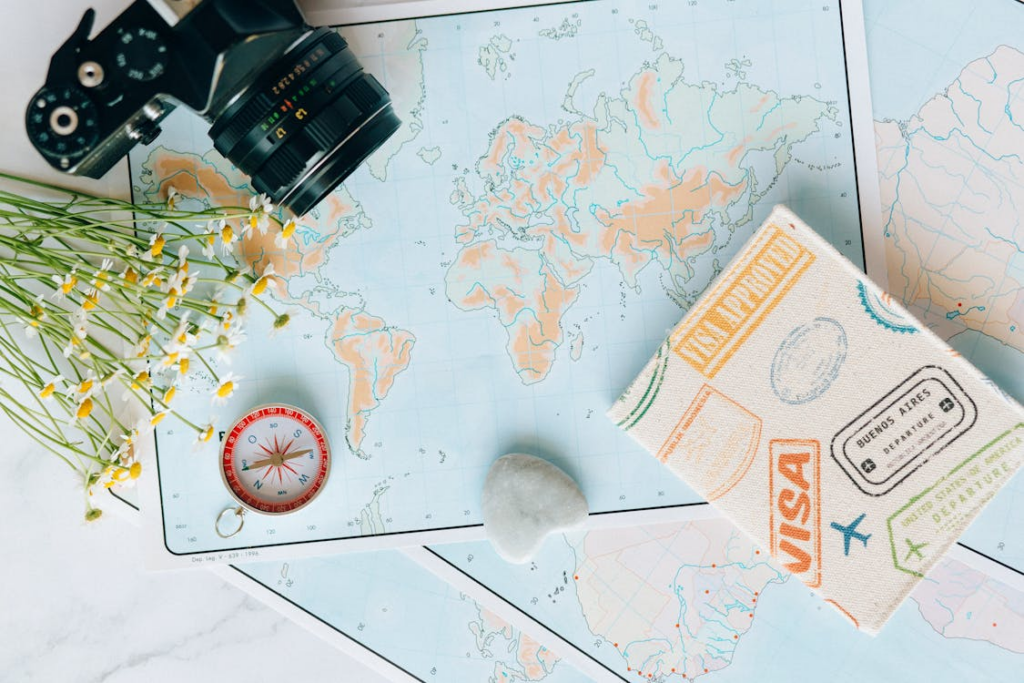
Understanding your luggage weight allowance is a critical part of packing for a trip. Before you start, double-check the baggage policy for each stage of your journey. Different airlines often have varying weight limits, especially if you’re taking multiple flights. Ensuring you’re clear on these details ahead of time can save you from stress later on.

If you don’t stay within your baggage allowance and find yourself overweight at the airport, you may be forced to unpack and remove items on the spot. This can be an inconvenient and frustrating situation, particularly when travelling with children. To avoid this, take time to weigh your luggage before leaving for the airport and adjust as needed.

To confirm your luggage allowance, check the airline’s website or contact their customer service team directly. This extra step ensures you have accurate information and can pack appropriately. By preparing in advance, you can prevent unnecessary surprises and focus on enjoying your trip with your family.

Understanding Your Travel Needs

Photo by Kindel Media on Pexels

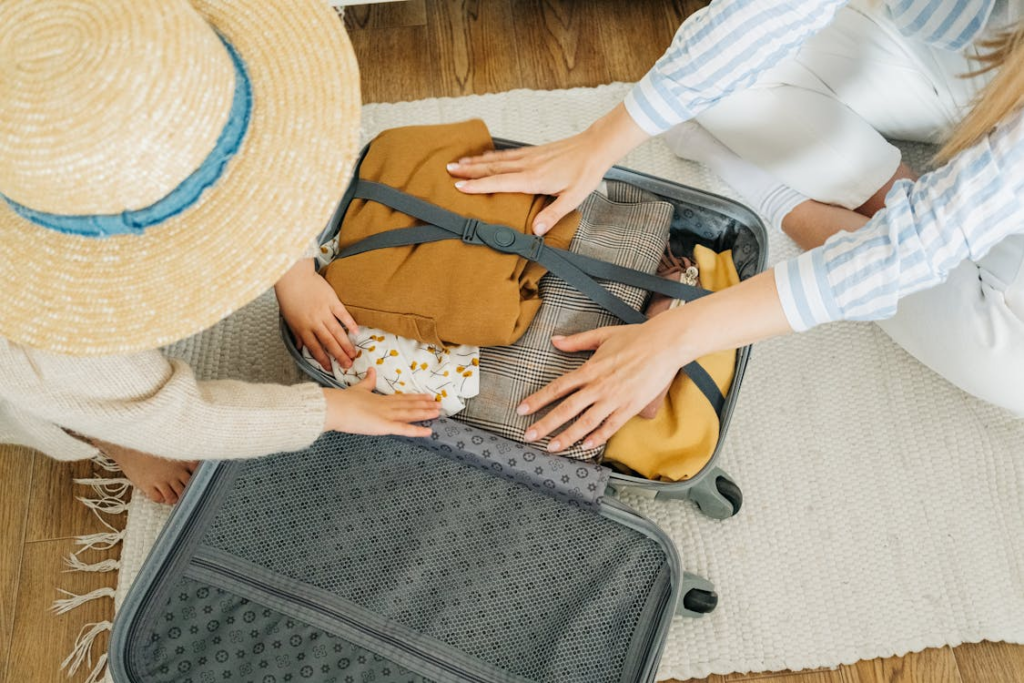
When packing for a trip, it’s essential to focus on what’s necessary rather than trying to bring everything. Take a moment to think practically about what your children will actually need, rather than packing for every possible scenario.

For example, if you’re travelling for ten days, does each child really need ten pairs of socks? Socks are small and easy to wash, so why not pack just four or five pairs instead? Similarly, if your trip includes a beach day and your kids will be wearing sandals, they won’t wear socks every day. By planning ahead and considering the specifics of your trip, you can reduce the number of items you bring without sacrificing comfort or convenience.

Clothing, in general, is a good place to cut back. Many parents tend to overpack “just in case,” but this can lead to bulky, heavy luggage that’s difficult to manage. Prioritise versatile, easy-to-clean outfits that can be mixed and matched throughout the trip. Being mindful of what you pack will save you time and space. 

Bring Medications and First Aid

Photo by Diana Polekhina on Unsplash

It’s always wise to prepare for the unexpected. Having the right medications and a well-stocked first aid kit can save you from minor illnesses or injuries.

Start by packing essentials like vitamins, band-aids, painkillers, wet wipes, and sun cream. These basics can cover everything from small scrapes to sun protection and general hygiene. If you’re travelling from a tropical country to a colder destination, it’s especially important to prepare for conditions your family may not be used to. For instance, pack paracetamol or similar medication in case your kids catch a cold or flu due to the temperature change.

If your children have specific medical needs, don’t forget to bring their essential medications. For example, if they have allergies or asthma, pack items like antihistamines or an inhaler. It’s always better to have these on hand rather than risk being caught unprepared in an unfamiliar location.

Bring Entertainment

Photo by Teo Zac on Unsplash

Long trips, such as anything over a 6-hour flight, can be daunting for kids who may not be accustomed to long periods of sitting still. Start by explaining to your kids that the flight will be long, and they might feel bored at times. This conversation helps set realistic expectations and teaches them how to handle waiting without becoming restless. Preparing them mentally for the experience can go a long way in making the trip smoother.

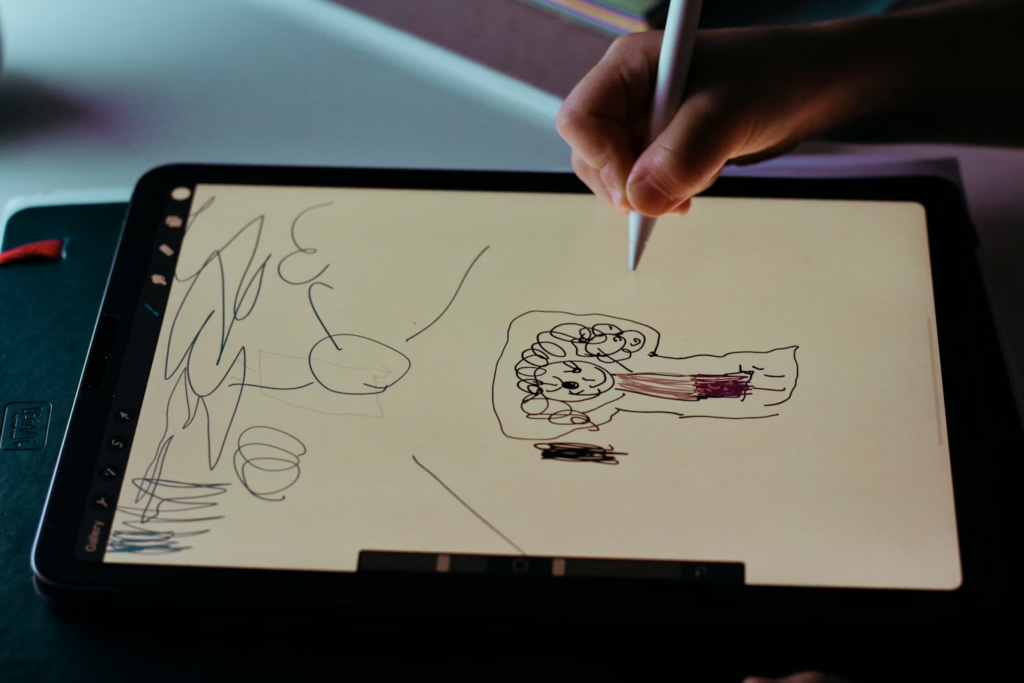
To keep them engaged during the flight, pack a variety of entertainment options. Devices like a Game Boy, iPad, or tablet loaded with their favourite games, movies, or shows can provide hours of distraction. If your kids enjoy reading, consider bringing a few books, as well as drawing supplies or simple puzzles to keep their interest. Offering a range of activities allows them to switch things up and stay entertained if they start to lose interest in one thing.

These activities help keep your kids busy and can prevent boredom-related tantrums or crying, which can be disruptive to other passengers. Ensuring your children are entertained will make for a more peaceful flight and a better experience for everyone on board.

Don’t Leave Things Until the Last Minute

Photo by Ivan Samkov on Pexels

It’s all too easy to leave packing until the last minute, but this habit can lead to chaos. To avoid this, aim to start packing at least two weeks before your trip. Starting early gives you plenty of time to organise and ensure nothing important is overlooked.

If you’re working or have a busy schedule, try packing a little bit at a time. Set aside a few moments each day to gather items and gradually check things off your list. This way, you won’t feel rushed or overwhelmed as your departure date approaches.

Leaving packing until the last moment can leave you feeling flustered, and it increases the chances of forgetting something important. This can lead to unnecessary inconvenience once you’re on your trip. 

As you finish packing for your trip, don’t forget to make some space in your suitcase for the return journey. Consider bringing an extra bag that you can fold up and pack in your suitcase. This will come in handy for carrying additional items, whether they’re souvenirs, extra clothes, or anything else you pick up along the way. 

Check out: Best Kid-Friendly Travel Destinations for December Holidays

A Playful Visit to the Museum of Ice Cream with Kids

Nadya Sharfina · July 31, 2024 · Leave a Comment

"The Museum of Ice Cream in Singapore turns a visit into a sweet adventure full of creativity and fun for kids and adults alike."

When planning a fun and educational outing for kids in Singapore, the Museum of Ice Cream stands out as an exciting destination. This vibrant museum offers a delightful blend of interactive exhibits, hands-on activities, and sweet treats that captivate children and adults alike. As you step into this whimsical world, you’ll find that it’s not just about ice cream; it’s an adventure in creativity and learning.

What’s the Museum of Ice Cream?

The Museum of Ice Cream offers a delightful blend of education and entertainment centred around everyone’s favourite frozen treat. This whimsical attraction invites visitors to explore the rich history of ice cream through interactive, ice cream-themed installations.

You’ll learn fascinating tidbits about the origins and evolution of ice cream, all while indulging in sweet treats that bring history to life. From the first ice cream recipes to modern-day innovations, every corner of the museum is designed to engage and delight visitors of all ages. The Museum of Ice Cream promises an inclusive experience that welcomes families, friends, and ice cream enthusiasts alike.

Originally based in New York City, the Museum of Ice Cream has expanded to several locations across the United States, including Chicago, Miami, Boston, and Austin. Now, in Singapore, this institution continues to captivate with its blend of history, interactive art, and, of course, plenty of opportunities to indulge your sweet tooth.

Inside the Museum of Ice Cream

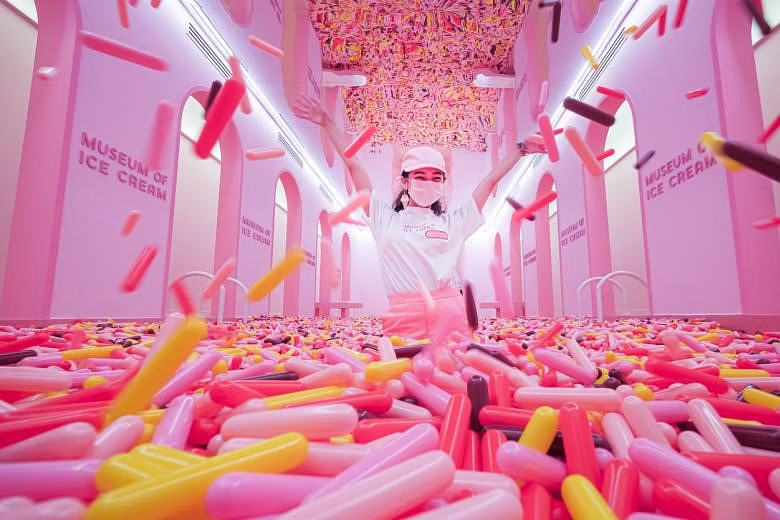
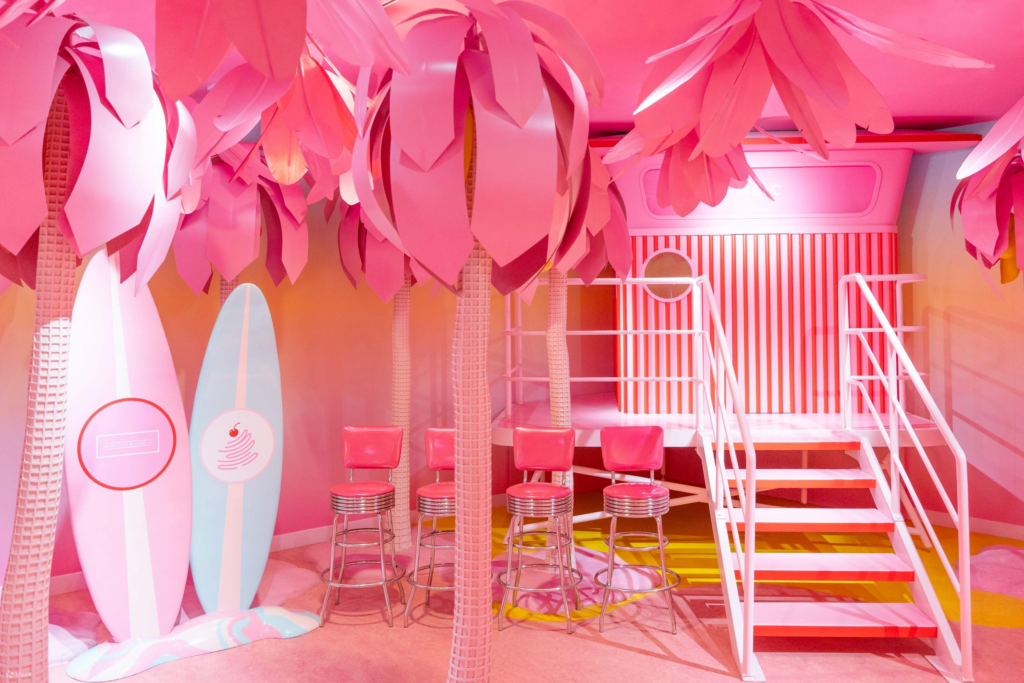
Inside the Museum of Ice Cream in Singapore, you’ll find a whimsical world filled with vibrant pink hues and a dragon-themed unicorn playground

One of the highlights is the opportunity to indulge in unlimited ice cream treats, each crafted in five delightful shapes and forms, with options for gluten-free and vegan diets. After enjoying your ice cream, dive into the famous sprinkle pool. The pool is meticulously cleaned and maintained with an antibacterial sprinkler shower to ensure a fresh and safe experience.

For more active fun, bounce on a big trampoline or try your luck at the claw machine. Swing amidst giant bananas and cherries, adding a playful twist to your visit. Every corner of the museum is Instagram-worthy, perfect for capturing memorable moments.

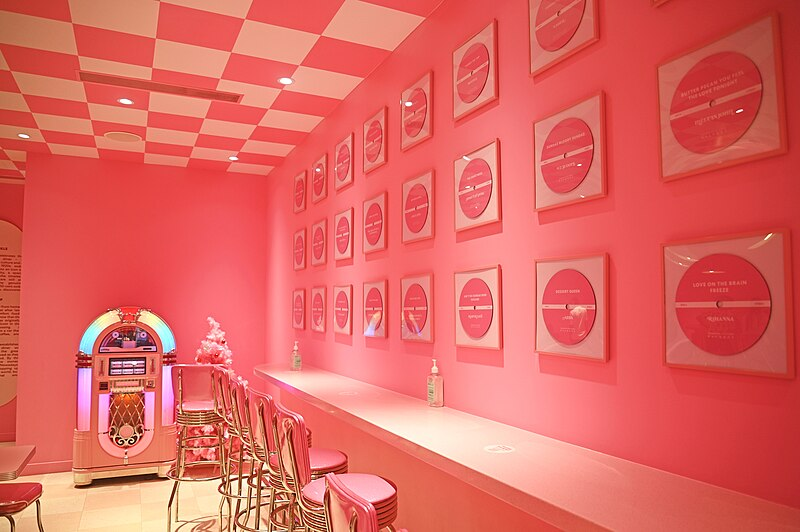
When you need a break, you can visit the retro-themed diner, where you can savour classics like banana splits or have milkshakes and waffles with customisable ice cream blends.

How to Get There?

Located at 100 Loewen Road in the Dempsey area, this whimsical destination is easily accessible by car or public transport.

The museum is open on Monday, Wednesday, and Thursday from 10:00 am to 6:00 pm, and extends its hours until 9:00 pm on Friday, Saturday, and Sunday. Note that the museum is closed on Tuesdays, so be sure to plan accordingly.

Note that tickets must be reserved online in advance. General admission tickets start from $35, while premium tickets are available from $45. The museum welcomes young visitors, with children aged 2 and under enter for free. Kids aged 13 and under must be accompanied by an adult to ensure a safe and enjoyable experience for everyone.

For more of the best places to visit with family in Singapore, check out March Holidays: 5 Epic Activities in Singapore!, Big Fun: Five Awesome Activities for Kids in SG, and Best Restaurants with Play Areas in Singapore.

The 12 Best Inspiring Parent Bloggers to Follow

Nadya Sharfina · July 19, 2023 · 29 Comments

"Raising kids is like riding a rollercoaster, but with the insights from Singapore's parent bloggers, the journey becomes more manageable and fulfilling."

Parenting can be a rollercoaster ride, full of highs and lows, confusion, and at the end of the day, pure joy. In this age of technology, seeking advice and encouragement from other parents can be a lifesaver. Singapore has fantastic parent bloggers who generously share their stories, tips, and ideas online. These passionate people provide a treasured wealth of knowledge and support for parents in Singapore and abroad. They’re like your virtual best friends, sharing their real-life parenting experiences and practical advice.

1. Diana Gale – thedomesticgoddesswannabe.com

Photo by Diana Gale on thedomesticgoddesswannabe.com

The Domestic Goddess Wannabe is a popular blog among foodies. Diana Gale, the brain behind it, genuinely enjoys cooking, baking, and sharing tasty recipes with her readers. As a parent herself, Diana understands the challenges of preparing meals for the family and strives to provide helpful tips and culinary inspiration.

Diana’s blog serves as a virtual gathering place for parents who share a common love for cooking, filled with a range of sweet and savoury recipes. Not only does Diana provide helpful culinary ideas, baking techniques, and guidance, but she also complements her recipes with stunning pictures, making her blog visually captivating and irresistibly tempting to food enthusiasts.

2. Angeline Yeh – strawberrycoatedkisses.com

Photo by Angeline Yeh on Facebook

The blog called strawberrycoatedkisses.com is a must-visit for all those seeking interesting content. It is managed by Angeline Yeh, a mother of two children. The blog is organized into five different categories. In the “Motherhood” section, readers can delve into Angeline’s personal journey as a mother, including her valuable reviews on various products and toys. For fashion enthusiasts, the “Fashion” category is the perfect spot to discover Angeline’s chic looks and trendy outfit ideas. The “Beauty” section provides comprehensive reviews on skincare products, haircare, and even beauty surgery. The “Lifestyle” section offers a glimpse into Angeline’s daily life, sharing stories about home decor, attending events, and her children’s art classes. Lastly, the “Travel” section takes readers on exciting adventures to enchanting destinations like Prague, Amsterdam, Bangkok, Bali, and more.

3. Neetu Mirchandani – supermommy.com.sg

Photo by Neetu Mirchandani on Facebook

Managed by Neetu Mirchandani, a Californian who has called Singapore her home for over 15 years, this blog offers a personal touch to its readers, as evident from its tagline, “From one supermom to another.” Neetu generously shares her valuable experiences, insights, and helpful tips on motherhood and family life, creating a relatable and informative platform for fellow parents.

Alongside parenting topics, supermommy.com.sg covers a wide range of interests such as health, wellness, travel, cooking recipes, and general lifestyle topics. One noteworthy feature of the blog is its shopping segment, where Neetu provides recommendations on places to visit and items to purchase for kids and moms alike. This includes everything from top brunch spots to helpful tips for purchasing jewellery. This comprehensive and engaging blog serves as a valuable resource for parents seeking inspiration, helpful information, and enjoyable content.

4. Jennifer Lim – dinomama.com

Photo by Jennifer Lim on dinomama.com

dinomama.com is an awesome parenting and lifestyle blog started by Jennifer Lim. This blog covers a whole bunch of interesting topics that parents can relate to, like cool parenting experiences, reminiscences about school days, arts and crafts, fascinating books, and even photography skills. You can also find posts about product reviews and DIY projects. Plus, there are giveaways that readers can participate in.

5. Elizabeth Wu – motherkao.com

Photo by Elizabeth Wu on Facebook

Elizabeth Wu, also known as “Motherkao,” is a mother of three children named Ben, Becks, and Nat. She enjoys sharing her experiences as a mom and the progress of her kids, such as their milestones at different months and when they say “mama” for the first time. Her blog is heartwarming and relatable, appealing to mothers everywhere. Additionally, Elizabeth Wu provides her personal insights and reviews on skincare products, furniture, and food. 

6. Zoe Liu – bakeforhappykids.com

Photo by Zoe Liu on Facebook

Bake for Happy Kids is a food blog that you also don’t want to miss! Zoe, a passionate home baker, a Singaporean who has been living in Melbourne, Australia for the past decade, brings you the best of both food cultures. From delectable cakes and cookies to scrumptious bread and pastries, the blog has a wide array of mouthwatering recipes to satisfy your cravings. Zoe’s recipes are carefully tested and come with super detailed step-by-step instructions. You can even watch her bake on her YouTube channel, which makes recreating these amazing treats at home so much easier.

7. Andy and Mengchoo – sengkangbabies.com

Photo by Andy and Mengchoo on sengkangbabies.com

This blog is run by Andy and Mengchoo, a couple who love sharing their family adventures and experiences. Their lovely family includes four kids named Wen Wei, Wen Kang, Wen Yi, and Wen Xin.

sengkangbabies.com delves into various fascinating themes such as travel destinations and lifestyle-related content. You’ll discover captivating insights into their exciting travel escapades and uncover some useful tips along the way. They also provide reviews of incredible events happening right in Singapore and have their own YouTube channel where you can watch their videos and join in on their adventures firsthand.

8. Meiling Wong – universalscribbles.com

Photo by Meiling Wong on universalscribbles.com

Universal Scribbles is created by Meiling Wong, who knows a thing or two about parenthood, work, education, and so much more. What sets universalscribbles.com apart from other blogs is its comprehensive work section. It contains useful tips and strategies for moms who are making a comeback to work. You’ll find helpful advice on crafting a killer resume to score those job interviews, as well as strategies for busy working mothers who are juggling it all. It’s very relatable and perfect for moms who are rocking their careers while raising a family.

9. Dianaruth – mumcraft.com

Photo by Dianaruth on Facebook

This is a heartwarming blog created by Dianaruth, a Singapore-based mom who is passionate about motherhood, art, crafting, and DIY projects. It’s a fantastic resource for parents seeking creative ideas and inspiration to keep their children engaged in fun and educational activities. On mumcraft.com, Diana shares her own experiences in crafting and DIY projects, offering step-by-step guides and practical tips for families to enjoy together. 

10.  Kelvin Ang – cheekiemonkie.net

Photo by Kelvin Ang on Facebook

Kelvin Ang, the creator of Cheekiemonkie.net, shares his own personal experiences, insights, and recommendations to provide valuable information and inspiration to other parents and readers. It features recommendations for new family-friendly travel destinations as well as indoor and outdoor activities for kids. There are reviews of various attractions and events, product suggestions and discussions on general lifestyle topics. In addition, Kelvin Ang has authored a book titled ‘Got Kids, Go Where?‘ which contains 500 activities for parents to engage in with their children specifically in Singapore.

11.  Adeline Tan – growingwiththetans.com

Photo by Adeline Tan on Facebook

Adeline Tan, the author of this blog, used to work as a teacher. She eventually started chronicling her family’s adventures on her blog. Adeline takes pleasure in writing reviews about different products, services, and places related to children. Her main aim is to assist other parents in feeling more supported and knowledgeable. Additionally, her blog occasionally features exciting giveaways for readers to participate in.

12. Edmund Tay – edunloaded.com

Photo by Edmund Tay on edunloaded.com

Edmund Tay / Ed is a Daddy Blogger from Singapore who enjoys writing about his experiences as a parent. Surprisingly, Ed was never adept at handling children, so the idea of launching a blog about his own kids was the furthest thing from his mind. Besides writing about parenting, Ed is also an advocate for families. This blog was awarded Best Parenting Blog in the Singapore Parenting Category at Influence Asia 2016.

CURIO SG

Copyright © 2026 Curio Singapore · Log in

  • Home
  • Journal
  • Frequently Asked Questions
  • Contact
  • Careers
  • Free Resources