• Skip to primary navigation
  • Skip to main content
CURIO SG

CURIO SG

Holistic Education

  • Home
  • Programmes
    • Secondary School Programmes
      • English Language ‘O’ Level Programme
      • English Literature ‘O’ Level Programme
    • Junior College Programmes
      • English Literature ‘A’ Level Programme
      • GCE ‘A’ Levels: General Paper
    • IP
      • IP Programme: English Language
      • IP Programme: English Literature
    • Crash Courses
      • O Levels English Language
  • Free Resources
  • About
  • Journal
  • Shop Assessment Books & Exam Papers
  • Show Search
Hide Search
You are here: Home / Archives for stress

stress

The Impact of Divorce on Kids and How to Help Them Through It

Nadya Sharfina · February 2, 2024 · 1 Comment

"Navigating divorce requires families to adjust communication and parenting styles, with varied impacts on children's lives."

Going through a divorce is a challenging phase for families, not only for the parents to figure out new ways to communicate but also for learning different approaches to parenting. The effects of divorce on children are quite diverse and can vary from one child to another. Let’s dive deeper into this article and examine how divorce can leave its mark on the lives of the little ones in a family.

1. Struggling in School
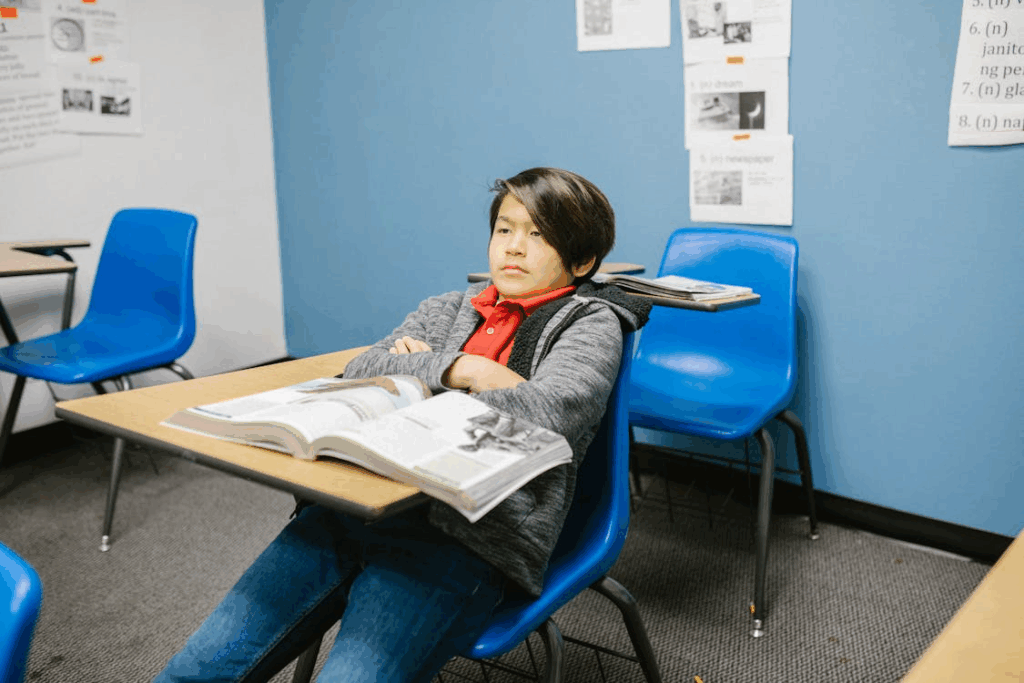
Photo by RDNE Stock project on Pexels

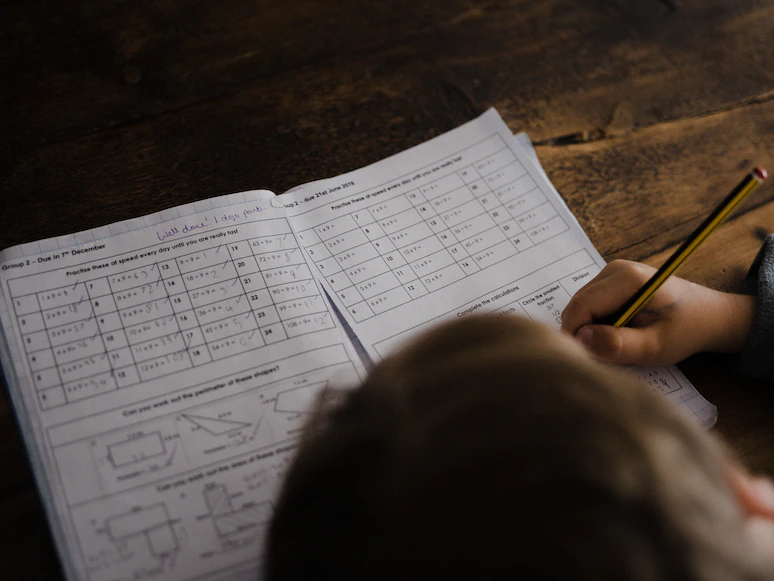
When parents decide to part ways, it can result in an emotional upheaval for their children, particularly affecting their performance in school. The complex and new circumstances can make it more difficult for children to concentrate on their schoolwork, thus impacting their academic achievement. 

This struggle in school is usually not due to a lack of desire to succeed; rather, it is due to how the divorce process might provide distractions and emotions that make it difficult for them to keep on top of their schoolwork. 

2. Social Withdrawal

Photo by RDNE Stock project on Pexels

Children might face some difficulties in connecting with friends or forming new friendships. This uncertainty can impact how comfortable children feel in social settings. They might find it a bit harder to open up to friends or make new connections because of the changes happening at home. The concern about their family situation being unique can create a barrier to social interactions, making them feel a little hesitant or uneasy about sharing their experiences with others. 

One solution to help children navigate these challenges is by fostering an environment of empathy and understanding at home and school. Encouraging open communication about family dynamics can alleviate the sense of isolation and help children realise that they’re not alone in facing such situations. Try to encourage your children to participate in group activities or clubs that align with their interests. Engaging in such activities fosters natural bonding and helps them form friendships with peers who share similar interests. This can create a supportive network for them beyond just their immediate family. Check out ‘All about Co-Curricular Activities: How to Choose the Right CCA for Your Kids’

3. Emotional Sensitivity

little girl in pink t-shirt, pink puffer vest pinching nose and looking annoyed, front view.

Dealing with emotions after a divorce is a big deal for children. It’s like the whole family is going through a rollercoaster of feelings, and children are right there in the middle of it. They might feel all sorts of things – like they’re missing something, angry, confused, or anxious. It’s a mix of emotions that can be pretty intense.

When these emotions hit, children need a way to let them out. They might need someone to talk to, someone who’s willing to listen, or just a safe space to share what’s going on inside their heads. Having an emotional outlet is important for them to handle all these intense feelings that come with the changes happening in the family.

To support children in managing their emotions, it’s important to offer them diverse outlets for expression and support. Encouraging activities they enjoy, such as art, music, or sports, can serve as healthy distractions and channels for emotional release. These mediums can act as therapy, allowing them to express deep emotions they may not be ready to discuss verbally. Engaging in positive activities also provides distractions and helps them constructively navigate their feelings. Check out ‘Unveiling the Magic of Art Therapy for Kids’ and ‘5 Exciting Sports for Kids and Teens in Singapore’

4. Feeling Guilty

Photo by Ketut Subiyanto on Pexels

When parents choose to go their separate ways, it can make children wonder why it’s happening, and these thoughts can lead to feelings of guilt as if they did something wrong. It’s a common reaction when families experience a divorce. This sense of guilt isn’t just a small feeling; it often comes with extra challenges, like feeling more pressure, bouts of sadness, and increased stress. 

Children might start questioning themselves, wondering if their actions or behaviours somehow caused their parents to split up. This added emotional weight can make the whole situation even more challenging for them to handle. 

5. Destructive Behaviour
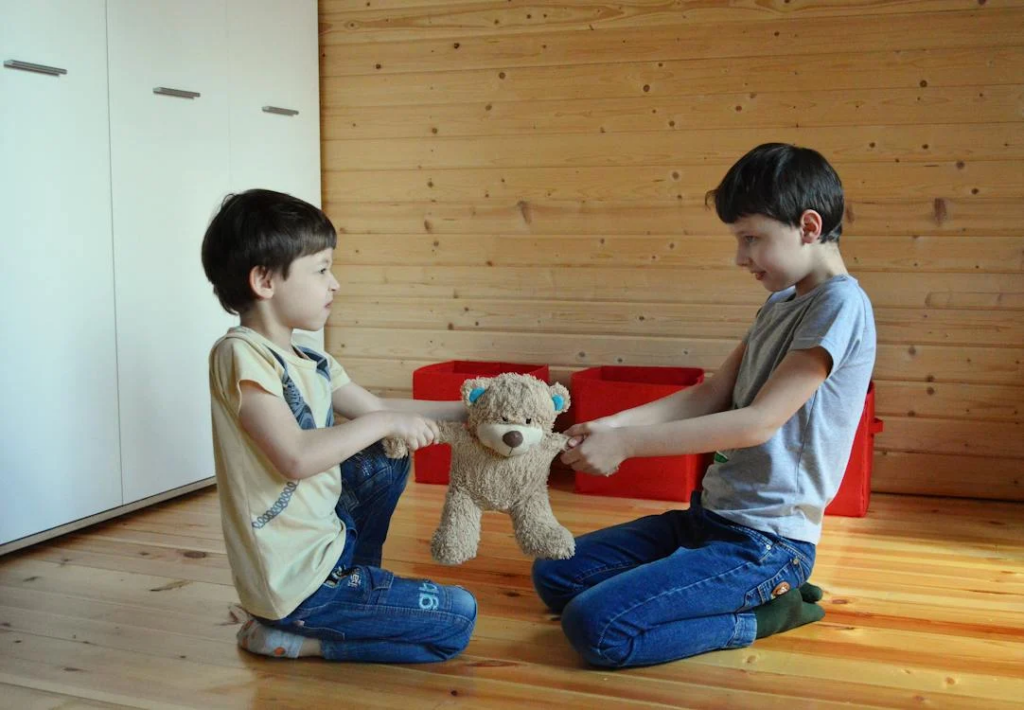
Photo by Vika Glitter on Pexels

When parents haven’t solved all their problems and things are still a bit messy after the divorce, it can lead to some less-than-ideal outcomes for children. If children have experienced their parents fighting for many years, they might be more prone to engaging in dangerous behaviour. This includes doing things that are against the law, like getting involved in petty crime or drug use.

Addressing destructive behaviour in children after a divorce requires a comprehensive approach centred on stability and positive reinforcement. Fostering open communication between parents and children establishes a supportive environment where children feel safe expressing their emotions and seeking guidance without fear of judgement. It’s crucial not to criticise them if they exhibit changes in behaviour or make mistakes, as this can worsen the problem.

Implementing positive reinforcement techniques, such as expressing unconditional love and offering rewards for positive choices, can motivate children to make healthier decisions and avoid destructive behaviour. However, if necessary, seeking professional support through therapy or counselling can equip children with the necessary tools and coping mechanisms.

Counselling centres for children and families in Singapore:

  • SACAC Counselling
  •  Annabelle Kids
  • Mindful Space
  • Dynamics Psychological Practice
  • Heart to Heart Psychotherapy

6. Health Problems

Girls are taking a nap while reading books in the library.

The process of divorce can bring a lot of stress, and this stress can affect the health of children. When children experience their parents getting divorced, it might make them more likely to get sick because the stress can make it harder for them to stay healthy. 

Things like trouble sleeping can be a part of this, and it all adds up to affect their physical well-being. 

Sometimes, when children are feeling sad or down, it can make their health even worse. It’s like a cycle – feeling sad can make them less healthy, and being less healthy can make them feel even sadder, possibly leading to depression.  

To address the impact of stress on children’s health, it’s important to take a holistic approach that considers their physical and emotional well-being. Establishing consistent routines and promoting healthy habits like regular exercise and nutritious meals can bolster their immune systems and counteract the detrimental effects of stress on their health. Check out ‘Smart Food Choices for Kids’ During Exams.’ Additionally, teaching stress-reduction techniques such as mindfulness exercises and relaxation methods can empower children to manage their emotions effectively and alleviate the physical strain caused by stress.

7. Loss of Faith in Marriage and Family

Photo by Ron Lach on Pexels

Children might lose some trust in the idea of getting married and having a stable family. The experience of their parents separating can shake their belief in the things they thought were supposed to last forever. They begin to wonder if marriage and families can be as strong and reliable as they once believed.

This change in thinking can affect how children view the idea of getting married when they grow up. They might become a bit hesitant or uncertain about the whole idea of marriage because they’ve seen that sometimes things don’t work out the way they expect. The experience of their parents’ divorce makes them approach these ideas with a bit more caution and doubt.

In conclusion, divorce can have a wide-ranging impact on children’s lives, including academic performance, social interactions, and emotional well-being. While the effects of divorce are different for each child, the disruptions can be significant. Parents need to acknowledge these problems and provide their children with the appropriate support, understanding, and a supportive environment to help them get through this difficult phase.

It is recommended that both parents approach the situation with honesty. Sitting down together to calmly share the news of the divorce can help alleviate some of the confusion and anxiety children may feel. Remember to get on the same page before the discussion and avoid arguing in front of them. This could involve reassuring the children that both parents still care and have a united front when it comes to parenting. By prioritising the children’s well-being and maintaining open communication, parents can help their children adapt and thrive despite the challenges of divorce.


How to Get Kids Back into School Mode After the Holidays

Nadya Sharfina · January 11, 2024 · Leave a Comment

"Transitioning from carefree vacations to the structured school routine is made easier with parental support, understanding, and a focus on addressing children's emotional needs."

After a nice lull full of relaxed mornings and fun-filled afternoons, returning to school may prove difficult for some kids. Older kids are usually dealing with a variety of emotions, whilst the younger ones may find the physical aspect more challenging. While teachers do help, It is ultimately up to the parents to help their kids navigate this transition well. Parents could help with making the move from relaxed vacation vibes to the regulated school routine more comfortable by understanding and addressing their kid’s specific emotional needs. In this article, we will look at several ways to successfully help your kids transition from vacation mentality to school mode.

Why It Matters

Photo by Nguyen Khanh Ly on Unsplash

The transition from a relaxed vacation to a school routine can have a substantial influence on a kid’s health and academic performance. Parents must realise the potential difficulties that their kids may endure throughout this transition. Emotions ranging from excitement to stress and worry are common reactions during this transition. Recognising these emotions and offering the necessary support might help with the adjustment process and help to set your kids up for a great academic year.

Make Sure They Have Everything They Need

Photo by LumenSoft Technologies on Unsplash

The practical parts of returning to school such as making sure your kid has all of the necessary materials can have a huge impact on their confidence and comfort. Take the opportunity to check if their uniform still fits and help them organise their school supplies, such as ensuring they have all necessary stationery including working calculators and sufficient foolscap paper. 

This not only prepares kids for the upcoming semester but also instils a sense of preparation and control. Get your kids to do an inventory of all the items they have, categorising things by stuff they can reuse, purchase or fix. By incorporating your kid in this process, you give them the ability to take control of their readiness, laying the groundwork for a positive attitude when they return to school.

Have a Friendly Conversation

Photo by Jeniffer Araújo on Unsplash

Recognise and resolve any potential stress or worry your kid may feel when returning to school. Start an open and courteous discourse about their issues. Reassure them that their feelings are completely normal and offer tales from your own life to show that everyone feels comparable emotions at times of change. By actively listening and empathising, you foster a supportive environment in which your kid can openly express their emotions and worries.

Encourage a positive outlook by emphasising the exciting elements of returning to school, such as reconnecting with friends, participating in extracurricular activities and learning new things. Express real interest in their academic lives. Enquire about their subjects and offer homework assistance. This engagement not only strengthens your bond but also instils a sense of enthusiasm for the upcoming school term. Read on further to find out more about how to conduct after-school chats here: ‘Connecting with Your Kids: After-School Chats’

Establish a Routine Early

Photo by Cats Coming on Pexels

Getting your child back into school mode can be a smooth transition if you start adjusting their schedule a few days before school begins. One of the most important things you can do is shift their bedtime and wake-up time gradually. If your child has been staying up late over the holidays, try moving their bedtime earlier by 15-30 minutes each night. This way, they’ll get used to waking up earlier, making the first day of school feel a lot more manageable.

Along with adjusting sleep, it’s also a good idea to begin shifting mealtimes. If their meals have been happening later than usual, start bringing them back to the times they’ll have during the school week. This helps regulate their internal clock and prevents hunger pangs during school hours.

Don’t forget about screen time! Over the holidays, it’s easy to let screens be part of the evening routine, but now is the time to get back to school-friendly hours. Setting limits on screen time and encouraging activities like reading or quiet play in the evening will help create a calming pre-bed routine and make the transition to school much smoother.

Set Up a Countdown

Photo by Claudio Schwarz on Unsplash

The transition from the relaxed days of vacation to the rigid routine of school can be difficult for kids. To ease the adjustment, consider establishing a visual back-to-school countdown. This can be a fun and interactive way for kids to visualise their upcoming return to the classroom. 

A colourful calendar with daily countdown stickers can help younger kids stay engaged in the process. Older kids may opt to enter the date on their calendars, which allows them to actively track the time until school resumes. This visible depiction of time assists kids in mentally preparing for the transition, making the return to school less abrupt and more tolerable.

Make Their First Few Weeks Back Memorable

Photo by Sigmund on Unsplash

To help kids cope with the potential disappointment of moving from the carefree vacation atmosphere, try creating a special celebration to honour the end of their first school month. This provides recognition for their hard work in adjusting to the school schedule. This celebration can include a game night with family, a fun outing with friends, a delicious dinner at their favourite restaurant, a movie night, or even a trip to a nearby mini-golf course.

Incorporating a positive and entertaining activity not only gives your kid something to anticipate but also transforms the return to school into a more thrilling and less overwhelming experience. This optimistic approach nurtures the belief that school can be both informative and enjoyable.

The Parenting Diary: 8 Habits to Start in 2024 to become Unstoppable!

Santhi Rebecca · January 8, 2024 · Leave a Comment

"Kickstart 2024 by incorporating habits into your routine, striking a balance between work, parenting, and personal growth—ensuring you shine in every aspect of your life."

It’s the start of 2024, the start of another working year and also the start of yet another school year. Between juggling new projects at work and your child’s priorities, it will be easy to lose a sense of yourself and your personal goals. Time may be tight, but good habits that are woven into your daily routine will set you up to be both a star parent and a well adjusted individual. Read on to find out more about 8 habits that you can start incorporating into your life in 2024!

1. The morning routine – stretch & strategise

Photo by Elina Fairytale on Pexels

Establish a routine in the morning which involves taking time for yourself. Start with a quick stretch. This can be as simple as neck rolls, toe touches and a few sun salutations. Then take a few minutes to pen down your plans for the day. I personally prefer to use a checklist which I can tick off throughout the day, giving me that desired sense of accomplishment, but you can use any method that works for you. This is a list of major things that you absolutely need to get done – and not every single minor task. Alternatively, you can also make this list the night before, and then take a few minutes to glance through it in the morning to get your game face on. 

2. Write down your thoughts before bed

Photo by Jess Bailey Designs on Unsplash

Writing your thoughts down before bed will improve your quality of sleep. You can look at it as a brain dump of everything that has happened in your life for the day, or you could go a little further and reflect on everything that has happened. If writing takes up time, try using voice typing to get your thoughts down a little faster. Here are some ideas for musings that you can pen down:

  • Your goals for tomorrow
  • What you’re grateful for
  • Negative thoughts and the reasons for them
  • Reflections on the kids or your partner
  • Feelings about your job

3. Exercise for at least 30 minutes a day

Photo by Geert Pieters on Unsplash

Some of us have a gym membership and lift weights regularly while also making time to attend a Pilates, Kickboxing or Zumba class on a regular basis. Some of us struggle to just make it through the work day and be back in time to have dinner and conversation with the kids. Try to incorporate exercise into your daily routine by walking or taking the stairs whenever possible. Carve out time to take a walk after dinner or gift yourself a walking pad that can be used while you work. Try your best to get some workouts done throughout the week, be it swimming, jogging or playing badminton with the family. Your older self will thank you for keeping active! 

4. Sit in Silence for 10 minutes every day

Photo by Ricko Pan on Unsplash

Our minds are racing with thousands of thoughts all the time, and as parents, we are often multitasking in ways we didn’t know was possible. Sitting quietly for 10 minutes a day and emptying your mind will do wonders for your brain. It will give your racing thoughts a break and teach you how to be present in the moment. If you struggle to do this by yourself, try downloading a meditation app such as Headspace or Calm. 

5. Establish a solid sleep schedule

Photo by Quin Stevenson on Unsplash

Sleep is essential for reducing stress, your mental health, improving your mood and increasing your efficiency. If you stay up at night worrying or scrolling through your phone, you are not giving yourself the chance to have the best quality of life that you deserve. For deep and good quality sleep, remember to:

  • Turn off all screens at least 1 hour before bedtime
  • Do not eat at least 3 hours before bedtime
  • Ensure that your bedroom is cool and at a conducive temperature for sleep
  • Use blackout curtains to ensure that light pollution will not disturb your sleep
  • Do deep breathing and count backwards from 100 to 0. Or count sheep, anything goes!

6. Take a 30 minute walk in nature

Photo by Arek Adeoye on Unsplash

If you live in Singapore, chances are that a park connector is fairly nearby. Even if it isn’t, a small park or a quiet tree-lined street will go a long way towards improving your mood. It has been proven that Nature can help get rid of anxiety, increase happiness and infuse calm. Moreover, it might be a great way to get your kids away from their screens and to have that after-school chat. [Read: Connecting with Your Kids: After-School Chats]

7. Read 10 pages a day

Photo by Elisa Calvet B. on Unsplash

Can you barely remember the last time you picked up a book, or were able to concentrate on getting through it? Life gets in the way, and with a busy work schedule and kids, it becomes hard to find time to read entire books. Reading is what helps us develop as individuals and it is also what provides us with knowledge to improve our lives. Instead of attempting to read a book or two a month, try starting out with a mere 10 pages a day. This may eventually lead to more pages and even if it doesn’t, you will definitely get through the entire book at a certain point. Reading will help you increase your focus, knowledge and self-confidence. It will also give you bragging rights when trying to get the kids to read! 

8. Drink water with every meal

Photo by engin akyurt on Unsplash

This may go without saying, but plenty of adults do not drink sufficient water. This interferes with both your physical and mental health, causing greater irritability, impatience and exhaustion. Drink 300 to 500ml of water at every meal and make it a point to finish it before leaving the table. If you find it difficult to remember, try purchasing a water bottle with the exact measurement that you need, and drink from it throughout the day. Again, your older self will thank you for the hydration! 

The A-Levels: How to Ace it!

Santhi Rebecca · April 10, 2023 · Leave a Comment

"Achieving excellent results in the A-Levels is the key to getting into top universities both locally and abroad."

The A-Levels are a crucial milestone for students in Singapore who want to pursue tertiary education. Achieving excellent results in the A-Levels is the key to getting into top universities both locally and abroad. However, with so much pressure on students to excel, it can be difficult to know where to start when it comes to revision. Don’t worry! We are here to help. In this article, we will share some tips on how best to prepare for A-Level exams. So read on and ace your A-Levels!

1. Follow a Schedule and Make To-Do Lists to Stay on Track

Photo by Ekaterina Bolovtsova on Pexels

Formulating a study schedule is essential to cover all the topics and stay on track with your A-Level preparation. This will help you organize your days and structure revision plans efficiently so that you have enough time to go back to your notes or understand complex concepts. Avoid cramming information as it can lead to stress. Dividing tasks up into small chunks also helps reduce anxiety and prevent burnout at the end of the A-Level period. Plus, this technique helps with anything that needs memorizing more effectively since less content is being processed at once.

2. Focus On One Task at a Time

Photo by Kyle Gregory Devaras on Unsplash

When studying for A-Levels, it is important to stay focused on the task at hand. With so much information to digest and remember, it can be difficult not to get overwhelmed by all the topics you need to cover. It might seem counterintuitive but focusing on doing one thing well will save you more time than juggling multiple tasks simultaneously.

In other words, choose one subject or topic that you want to work on and stick with it until you finish the task. A single-minded focus allows you to retain more information and concentrate on each concept in greater detail.

3. Use Past Exam Papers to Your Advantage

Photo by Annie Spratt on Unsplash

Past A-Level papers are your best friend when it comes to A-Level revision. Familiarizing yourself with the types of questions and answers that come up during exams can help you anticipate what kind of topics or questions might appear in real A-Level exams. This way, you can save time and effort since you already have an idea of what to expect on the day itself.

Moreover, revising past A-Level papers allow for better time management during the actual A-Level assessment. Going through previous A-Level papers trains your brain to think accurately under pressure and not be flustered by tricky questions or unfamiliar topics.

4. Break Down Your Notes into Manageable Chunks

Photo by Kelly Sikkema on Unsplash

Breaking down A-Level notes into smaller chunks makes it easier to digest what you are reading. This way, you can focus on the main points and not get overwhelmed by too much information at once.

There are several ways to break down your A-Level notes. Divide each topic according to its relevance or complexity and then use symbols, colors, or headings to separate one from the other. You can also highlight important keywords that might come in handy when exam time rolls around. All these techniques will help you organize A-Level material efficiently and make revision a simpler process overall.

5. Take Breaks and Have Fun While You Are Revising

Photo by Tima Miroshnichenko on Pexels

While studying for the A-Levels are important, it is also essential to give your mind a break and enjoy yourself. Having fun while revising will help you stay motivated and energized throughout the A-Level period. A few simple activities can be incorporated into revision time like listening to music, watching an episode of your favorite show, playing video games, or even enjoying a snack after studying for a certain amount of time.

Taking breaks allows for better concentration when it comes to A-Level content so that you can handle all the information at once. Plus, having fun helps relieve any stress associated with A-Levels.

6. Get Help if You Need It! Tutors or Classmates Can Be a Great Resource

Photo by Alexis Brown on Unsplash

It is perfectly normal to feel intimidated by A-Levels and need a bit of extra help and support. Most A-Level students can benefit from the assistance of tutors or peers. A tutor can provide additional guidance on topics you may struggle with, while classmates can offer peer support when it comes to revision techniques.

No matter who you turn to for your A-Level journey, do not be afraid to ask for help when needed. A little bit of extra assistance could make all the difference in helping you ace your A-Level exams! Try Curio’s General Paper Programme.

So there you have it – our top tips on how best to prepare for the A-Level exams.

CURIO SG

Copyright © 2026 Curio Singapore · Log in

  • Home
  • Journal
  • Frequently Asked Questions
  • Contact
  • Careers
  • Free Resources