• Skip to primary navigation
  • Skip to main content
CURIO SG

CURIO SG

Holistic Education

  • Home
  • Programmes
    • Secondary School Programmes
      • English Language ‘O’ Level Programme
      • English Literature ‘O’ Level Programme
    • Junior College Programmes
      • English Literature ‘A’ Level Programme
      • GCE ‘A’ Levels: General Paper
    • IP
      • IP Programme: English Language
      • IP Programme: English Literature
    • Crash Courses
      • O Levels English Language
  • Fees & Schedule 2025
  • Free Resources
  • About
  • Journal
  • Curio Assessment Books
  • Show Search
Hide Search
You are here: Home / Archives for social media

social media

Signs Your Child Has a Screen Addiction and How to Help

Nadya Sharfina · November 28, 2025 · 7 Comments

“Kids slip from one screen to another without thinking, and the effects show up in their mood and sleep long before parents notice.”

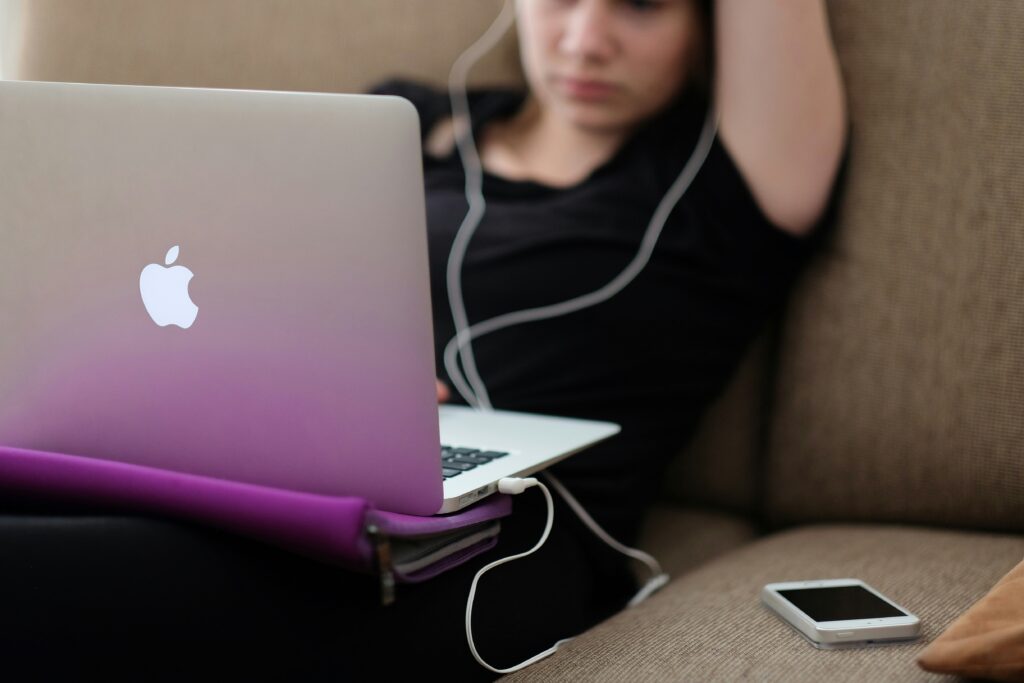
Too much screen time can pull kids in deeper than most parents realise. It isn’t just about phones; kids bounce between computers, laptops, TVs, and tablets without even thinking about it. Many spend hours scrolling through social media or getting hooked on games that make them feel like they have to finish “just one more level.” This constant pull toward screens can affect their mood, sleep, behaviour, and even their relationships with people around them.

If you’re starting to wonder whether your child’s screen habits are getting out of hand, it helps to know what signs to look for. The sooner you spot the patterns, the sooner you can guide things back on track. 

Screen Time Starts Taking Over

If you’ve tried setting limits on screen time and your child still can’t seem to pull themselves away, it may be a sign that screens are taking up more space in their day than you realise. They might push back, sneak extra minutes, or reach for a device the moment you look away. Many kids don’t even notice how much time they’ve spent staring at a screen. It becomes so automatic that hours slip by before they know it.

Keep devices in common areas so screen time stays out in the open and is easier to guide. This adds a natural boundary without turning it into a constant tug-of-war. You can also talk about healthy screen habits in a simple, encouraging way. Taking short breaks, mixing screen time with other activities, and paying attention to how their body and mood feel after being online for a long stretch. 

When Screen Time Becomes the Only Fun Time

If nothing seems fun to your kid anymore until a screen shows up, that’s a pretty strong hint that devices are becoming the main thing they look forward to. Kids who lean heavily on screens often lose interest in activities they used to enjoy, and sometimes the change happens so gradually you don’t notice it at first. 

Try bringing in simple, fun offline activities that actually feel enjoyable. It doesn’t need to be a big production; you can try board games, quick outdoor adventures, or small creative projects. What really helps is doing these things together. When kids feel your presence and attention, they’re much more likely to set the device aside and join in. 

Dropping School Performance

When screen time starts dominating your child’s day, schoolwork is usually one of the first areas to take a hit. You might notice them struggling to focus on homework, zoning out quickly, or showing zero interest in their studies. It’s hard for school tasks to compete with fast-paced videos and games, so assignments can start feeling boring or overwhelming. This can lead to slipping grades, unfinished work, and a general “I don’t care” attitude toward school.

To help bring their focus back, you can introduce simple study techniques that make schoolwork feel more manageable. The Pomodoro technique works well. Set a timer for a short work session, then follow it with a quick break. You can also try “eat the frog,” which just means tackling the toughest task first while their brain is still fresh. Breaking homework into smaller chunks with timers or checklists can also make studying less intimidating. These small structure changes help kids build better habits while gently pulling their attention away from screens and back into their learning.

Social isolation

Excessive screen use can slowly push kids into their own digital bubble, replacing real-life interactions with endless scrolling or gaming. You might notice them choosing devices over playing with friends, joining family conversations, or participating in group activities. This often results in weaker social skills, fewer friendships, and a growing sense of disconnection. If your child consistently prefers a screen over people, it’s usually a sign that their social world is shrinking more than it should.

You can start planning activities that naturally involve interaction. Family outings, playdates, or even trips to children’s play centres or other interactive learning spots can give them a fun break from screens. These places encourage hands-on play and social interaction, which helps kids practice real-world skills. You can also arrange playdates or group hangouts where they can bond with peers in a relaxed way. Little by little, these shared experiences make real interactions feel enjoyable again, and that makes screens easier to put down.

The Physical Health Impact 

Photo by Katerina Holmes on Pexels

Too much screen time can take a toll on your child’s body in ways that sneak up over time. Long hours sitting still can lead to weight gain, especially when it’s paired with mindless snacking during screen time and less time being active. Many kids also deal with eye strain after staring at screens for long stretches. Things like dry eyes, headaches, or blurry vision that they might not mention unless you ask. These physical symptoms can build slowly, but they’re often a clear sign that screens are taking up more space than they should.

To support your child’s health, try weaving more movement into the day in a way that feels fun and doable. Go for a walk together, play a quick game outside, or turn on some music and have a silly dance break. Small, shared moments of activity make a big difference. You can also set up your home to encourage healthier choices. Keeping mostly nutritious snacks available, limiting junk food, or planning simple meals together. 

Disruptive Behaviours

Photo by Tuấn Kiệt Jr. oon Pexels

Too much screen time can show up in a child’s behaviour in ways that catch you off guard. Some kids become more hyperactive, easily irritated, or quicker to lash out. These shifts can be even stronger when they’re watching or playing content that’s loud, fast-paced, or violent. This kind of exposure can make it harder for kids to regulate their emotions, follow rules, or calm themselves down after getting upset.

Start by checking the type of content your child is watching and gently steering them toward calmer, age-appropriate options. You can also set up a simple evening routine that helps them unwind and reset after a busy day. If certain games or videos seem to trigger aggression or hyperactivity, swap them out and guide your child toward content that encourages creativity or problem-solving instead. 

Some early signs that can help you spot when screen time might be becoming too much for your child. Noticing these shifts early gives you a better chance to step in and guide things before they get harder to manage.

But if your child’s screen use keeps growing or starts affecting their daily life in a way you can’t get a handle on, reaching out for professional help is a wise move. A paediatrician or child therapist can offer guidance, support, and a clearer plan. You don’t have to sort this out on your own, and getting help sooner can make things feel much more manageable for both you and your child.

Fun and Learning Combined: Educational TikToks for Kids to Follow

Nadya Sharfina · September 5, 2025 · 74 Comments

“When education is woven into the same feed that entertains, kids begin to see curiosity not as a chore, but as part of everyday life.”


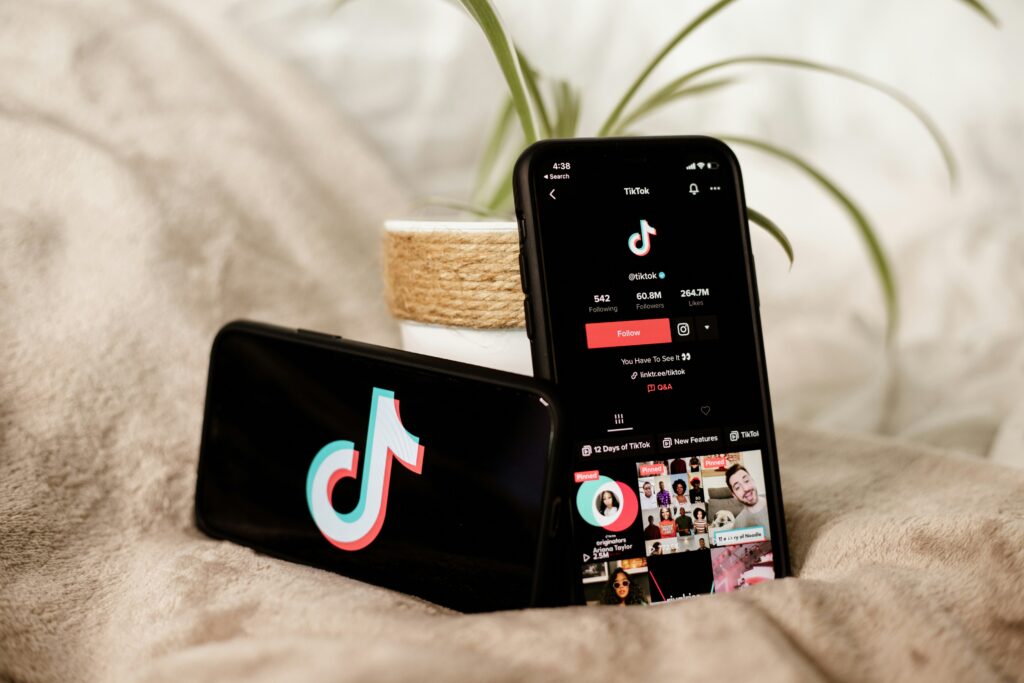
TikTok has become one of the most popular social media platforms among kids today, often known for its endless stream of funny clips, dance trends, and quick entertainment. But beyond that, there’s also a growing world of educational content that makes learning feel fresh and approachable. Creators across math, history, art, biology, science, and English are using short videos to explain big ideas, share tips, and spark curiosity in ways that feel natural to kids who already spend time scrolling.

For some children, watching these videos can actually make tricky subjects easier to understand, offering bite-sized lessons that stick better than a long lecture. For others, it’s simply an enjoyable way to pick up new knowledge in their free time or during a quick break. No matter how your child approaches it, these educational TikToks blend fun with learning, helping kids see that gaining knowledge can fit right into their everyday routines.

1. @discovery 

You’re probably already familiar with this account, which has gathered over 7 million followers by turning science and nature into quick, fascinating lessons. It acts like a pocket-sized encyclopedia where kids can discover everything from surprising animal behaviors to groundbreaking advances in technology, all presented in a way that’s both informative and entertaining.

2. @instituteofhumananatomy 

@instituteofhumananatomy makes learning about the human body both fascinating and approachable, breaking down complex topics into fun, easy-to-follow videos. The creators dive deep into the different body systems, offering clear explanations and detailed insights that bring anatomy to life. For kids who are curious about how their bodies work, or for students starting to explore biology or medicine, this account can be a truly valuable resource that sparks curiosity and builds knowledge in an engaging way.

3. @birdoftheweek

This TikTok account is run by Tom, an elementary school teacher and avid birder in Oregon who shares his love of wildlife in a fun and educational way. Each week he introduces a new bird, highlighting its unique traits, habitat, and behavior, while showing photos and footage that bring each species to life. Kids can meet fascinating creatures like the green heron, northern harrier, downy woodpecker, mandarin duck, and plenty more, making this account a great way to spark curiosity about the birds in their own neighborhood while also learning about species around the world.
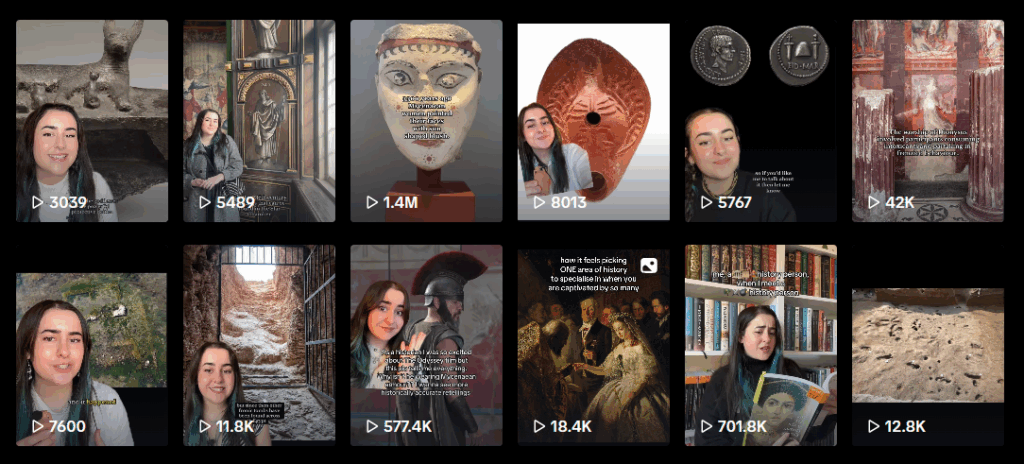
4. @annelisethearchaeologist 

Archaeologist Annelise Baer brings history to life with short videos that explore fascinating mysteries of the past. Kids and teens can discover unusual objects, learn why Cleopatra’s burial site still puzzles researchers, compare what’s known about Alexander the Great, or even hear about the people who returned to Pompeii after the eruption. Her content is both captivating and educational, making it a great pick for high school students who are curious about ancient civilizations and the stories they continue to reveal.

5. @jayprehistoricpets

Jay Brewer, founder of The Reptile Zoo in Fountain Valley, California, brings reptile education to life with daily posts that showcase incredible exotic animals. Kids can watch snakes and turtles hatch, discover unusual lizards, and encounter species they may never have seen before. Alongside the excitement of meeting these creatures, the videos also highlight why protecting wildlife and their habitats matters, making his content both fun and educational for young animal enthusiasts.

6. @chemteacherphil

This creator shares eye-catching experiments that make chemistry exciting while breaking down tricky concepts with a touch of humor. Kids can watch black fire appear with table salt, see what happens when burning magnesium meets dry ice, or marvel as spinach turns white and then red. His videos have attracted 3.8 million followers by showing how fun and approachable science can be, and the person behind them all is high school chemistry teacher Phillip Cook.

7. @iamshaneburke

Kids who love being creative can learn how to draw with Shane Burke, who shares clear and simple tutorials that make art feel approachable. His videos walk through different subjects step by step, giving beginners an easy way to practice their skills while building confidence along the way. It’s a fun introduction to drawing that encourages kids to explore their artistic side.

8. @theblackfoodscientist

Food scientist Brittany Towers makes science bite-sized and fun with her “Food Science in Sixty Seconds” videos. She answers all those random questions kids (and parents) might have, like whether you really need to wash prepackaged salad, the truth about cheese and health, or how to whip up DIY ice cream without a machine. Her quick, clever explanations turn everyday foods into fascinating lessons that spark curiosity around the kitchen and beyond.

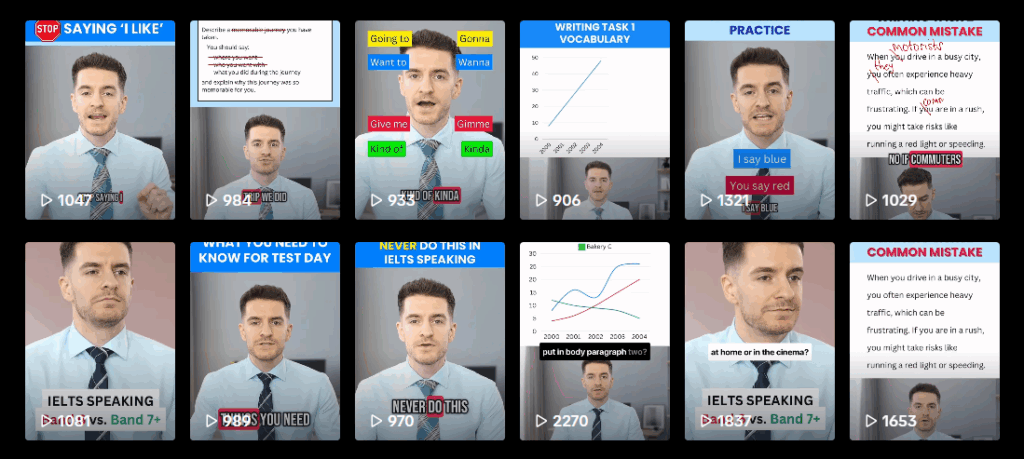
9. @englishunderstood

An IELTS expert shares tips and strategies that help students aim for a Band 7+ while making English feel more approachable. The videos focus on practical conversations and clear pronunciation, giving kids and teens useful tools they can apply right away. With plenty of guidance tailored to IELTS Speaking practice, the content is especially helpful for those preparing to use English confidently in both exams and everyday life.

10. @hashem.alghaili

This science and tech creator sparks curiosity with videos that answer some of the most fascinating questions about our world and beyond. Kids can learn why ballerinas don’t get dizzy, what really happens inside a black hole, how deep the Titanic wreck lies, or even imagine what Earth would look like with rings like Saturn. He also explores surprising topics like disappearing wisdom teeth and the intelligence of octopuses. Already well known on YouTube and Instagram, he brings that same love of discovery to TikTok with content that keeps curious minds hooked.

11. @ludus

Do your kids hate math? This creator sets out to change that with quick tricks and hacks that make numbers a lot less scary. Kids can learn how to multiply complex numbers, use diagonal methods to solve problems, and even practice multiplying in their heads with ease. By tackling the biggest challenges students often face in math, the videos turn tough concepts like algebra into simple, manageable steps that build confidence along the way.

12. @idea.soup

Michael McBride shares quick lessons that make big ideas in history and science easier to understand while sparking curiosity along the way. Kids can explore questions like what a leap second actually is, why people often misunderstand earthquakes, or whether dandelions are waterproof. They’ll also come across fascinating stories such as the mystery behind Australia’s name and even how much an Olympic gold medal is really worth. His videos mix fun facts with clear explanations, making learning feel fresh and exciting.

13. @astro_alexandra

This space-focused account dives into the wonders of astronomy and science with content that makes the universe feel both mysterious and exciting. Kids can explore mind-bending ideas like rogue planets drifting with their moons, strange rock formations spotted on Mars, or the lost photos of Mercury. There are also fascinating looks at Jupiter’s must-see features and even wild theories like the Devon Island conspiracy, which compares a remote spot on Earth to Mars. It’s a fun way to spark curiosity about what lies beyond our planet.

14. @artbyjoudy

An architecture student shares creative tutorials that make drawing more approachable, even for beginners. Her videos cover everything from sketching realistic eyes to capturing detailed landscape buildings, giving kids simple steps to follow as they build their artistic skills. For those who want to dive deeper, she also offers longer, more detailed tutorials on her YouTube channel.

15. @thephysicsgirl

Dianna Cowern, an MIT-trained physicist, makes science exciting with videos that mix fun experiments, surprising facts, and even life hacks grounded in physics. Her content often features “impossible” tricks that spark curiosity while showing the science behind how they work. By blending creativity with clear explanations, she makes complex ideas feel approachable and inspires kids to see the world through a scientific lens.

16. @speakenglishwithmish

Mish makes learning English feel approachable with short lessons that cover everyday conversations, idioms, and pronunciation. Kids can pick up tips on how to be polite in English, practice common phrases, and build confidence in speaking naturally. The friendly teaching style helps learners feel more comfortable using English in real-life situations while making the process enjoyable and easy to follow.

17. @historical_han_

This creator blends archaeology, art, and history into fascinating stories that bring the past to life. Her videos dive into topics like why Lady Jane Grey deserves more recognition, the depth of Roman history, and how traditions such as hair oiling or wearing blush have been around for thousands of years. She also takes viewers along as she spends days exploring castles, abbeys, and ancient ruins, offering a glimpse into the places where history still lingers today.

18. @roxythezoologist

A wildlife filmmaker shares breathtaking moments from the natural world, capturing everything from a jaguar hunting a capybara to the powerful wild cats of Africa. She also posts mini trip vlogs, like a night safari in Sri Lanka, that give viewers a chance to experience the thrill of exploring nature up close. Her content inspires curiosity about animals and their habitats while showing just how incredible the wild can be.

19. @mathswithmisschang

A math teacher based in London makes tackling numbers a lot easier by sharing simple tricks and straightforward explanations for common problems. Her videos break concepts down into manageable steps, helping students gain confidence while showing that math doesn’t have to feel overwhelming.

20. @encyclopaediabritannica

Encyclopedia Britannica brings its huge collection of knowledge to TikTok, offering students quick and reliable answers to all sorts of questions. Curious minds can learn how a pope is elected, why food tastes different after brushing their teeth, or even how the “mind’s eye” can vary from person to person. The short videos make big ideas easier to grasp, turning everyday curiosity into moments of learning.

Should TikTok Be Banned?

Nadya Sharfina · January 20, 2025 · 5 Comments

"Despite its global popularity, TikTok faces growing bans over data privacy and security concerns, leaving millions wondering if its future hangs in the balance."


TikTok, which is owned by ByteDance, has become a well-known social media platform. However, its popularity hasn’t kept it from facing rising international issues. Governments worldwide are increasingly taking decisive action against TikTok, citing concerns over data privacy and cybersecurity as key drivers behind their moves.

In 2022, Afghanistan blocked TikTok along with other social media platforms, while India banned the app in June 2020 due to national security and privacy issues. Several countries, including Australia, Belgium, Norway, New Zealand, and the U.K., have banned TikTok on government devices, fearing the app could pose security risks. Most recently, on January 18, 2025, the United States saw TikTok stop working for users, adding to the ongoing debate about its safety and influence. As of 19 January, a mere few hours after the ban, TikTok has once again become accessible to users in the U.S., with an odd declaration on the app: “As a result of President Trump’s efforts, TikTok is back in the U.S.!”

According to Trump, he will be extending the time the app will remain accessible while decisions are made as to its sale and continued use. Why is the U.S. considering banning TikTok, and who initiated this movement? Should TikTok indeed be banned, considering the implications it may have on its millions of users?

What’s Prompting the U.S. to Ban TikTok?

Photo by shavnya.com on Unsplash

TikTok potentially being banned in the United States is the result of a House bill that was enacted. It is part of an ongoing political debate over the platform. TikTok has been a huge success since its debut in 2017, surpassing Facebook, Instagram, Snapchat, and YouTube in terms of downloads in 2018. However, its quick expansion has alarmed lawmakers, who are concerned about data privacy and censorship due to its Chinese roots.

Despite TikTok’s reassurances that it won’t hand over U.S. user data to the Chinese government, concerns linger. Investigations revealing China-based employees accessing non-public U.S. user data only added to the unease. TikTok claims that U.S. customer data is stored outside of China, mostly in Singapore and the United States, with the assistance of American IT giant Oracle. Many lawmakers, however, have not been happy with these guarantees. This culminated in CEO Shou Zi Chew facing a severe grilling before Congress in March 2023.

Who Initiated the U.S. TikTok Ban?

Photo by History in HD on Unsplash

TikTok has faced numerous bans and attempted bans in many countries in recent years. In 2020, Donald Trump proposed a ban in the U.S., but the courts quickly blocked it, citing First Amendment rights. The following year, the U.S. government restricted the app’s use on official phones, a move that was replicated by at least 34 states by 2023, indicating a broad unwillingness to engage with TikTok inside official circles.

Aside from government prohibitions, TikTok experienced opposition from educational institutions, with over 50 universities in the United States choosing to restrict its usage on campus Wi-Fi and laptops. Meanwhile, India implemented a ban in 2020 following safety concerns. This governmental decision shifted the competitive landscape in India, favouring alternatives such as YouTube Shorts and Instagram Reels.

Even within China, where TikTok is based, the app hasn’t taken centre stage. Instead, Douyin, a locally tailored platform with stricter content moderation, dominates the scene. This divergence demonstrates how TikTok’s presence and reception varied across areas, with regulatory settings impacting its trajectory in each location.

Will U.S. TikTok Shut Down Soon?

Photo by appshunter.io on Unsplash

TikTok has recently faced a significant challenge in the United States. The Supreme Court denied a final legal attempt by its Chinese parent company, ByteDance, to fight a new law banning the platform. The court ruled that the law did not violate the First Amendment rights of TikTok or its 170 million users, as the company had argued. As a result, ahead of the ban taking effect on Sunday, the app went offline in the U.S., displaying a message telling users, “You can’t use TikTok for now.”

However, President-elect Donald Trump has suggested that he could offer the platform a lifeline. He publicly stated on social media that he intends to postpone the ban through an executive order. This would give TikTok time to find a U.S.-based partner to purchase a 50% stake in the company, which he believes could address the security concerns driving the ban. Trump has also hinted that he plans to work on a solution to reinstate TikTok once he officially takes office.

Who Could Buy TikTok?

Until recently, ByteDance has been clear that it wasn’t interested in selling the app in the U.S. But with the ongoing legal challenges, there’s now growing interest from potential buyers.

Some big names have already shown interest, including the tech behemoth Perplexity AI, Elon Musk, former U.S. Treasury Secretary Steven Mnuchin, and businessman Frank McCourt. Even MrBeast, the world’s biggest YouTuber, who has over 100 million followers on TikTok, has said he might be in the running to buy the app.

With these high-profile figures involved, there’s a lot of curiosity about who will ultimately take over TikTok, and how it might impact its future and safety for users.

What Are TikTok Users Saying?

Photo by MART PRODUCTION on Pexels

Many influencers are crossing their fingers, hoping that lawmakers will give the matter a second thought. They argue that TikTok serves as a vital space for bringing people together and discussing important social justice issues. It’s not just about funny dances and light-hearted content; TikTok also hosts meaningful discussions and educational content.

If TikTok is banned, it could spell trouble for small businesses and social media influencers alike. Small businesses rely on TikTok for marketing and even run their e-commerce operations through TikTok Shop. For influencers who have invested years into building their follower base and securing brand deals, this could seriously impact their livelihoods.

Should Countries Ban TikTok?

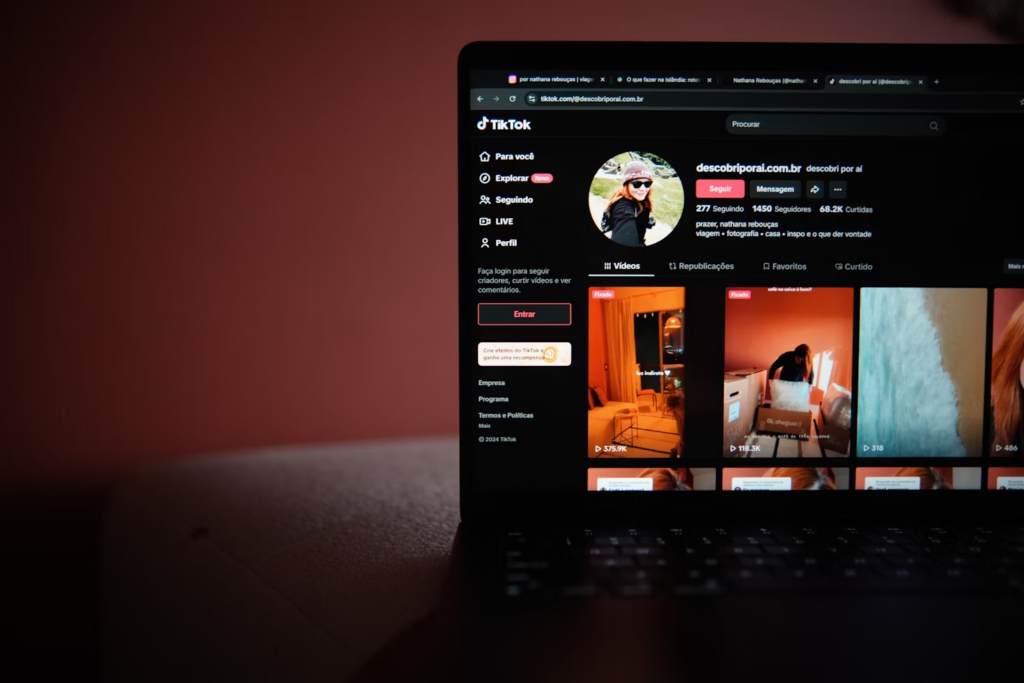
Photo by Nathana Rebouças on Unsplash

TikTok offers more than just entertainment. Alongside fun content, it provides educational, inspiring, and informative material from around the world. For today’s tech-savvy youth, TikTok is a valuable resource for learning in our fast-changing digital landscape.

Deciding whether to ban TikTok, especially for educational use, is complex. On one hand, it offers a variety of educational content, from academic subjects to practical skills. Many educators and learners have utilised TikTok as a supplementary tool for teaching and learning due to its engaging format.

However, issues about data privacy, content filtering, and inappropriate content are all worth considering. While TikTok has educational value, it also has hazards, especially for younger users who are more receptive to incorrect or misleading information.

Instead of an outright prohibition, a more nuanced approach may include setting strong safety controls and standards to limit potential risks. This could include encouraging responsible use, providing tools for digital literacy and online safety, and requiring parental supervision for younger users. Read ‘Navigating Kids Securely Online: Tips and Suggestions’

From Game to Reality: The Temple Run Trend

Nadya Sharfina · August 12, 2024 · 2 Comments

"Step into the heart of Cambodia's ancient wonders with TikTok’s Temple Run-inspired adventures through the historic ruins of Angkor Wat and Ta Prohm."

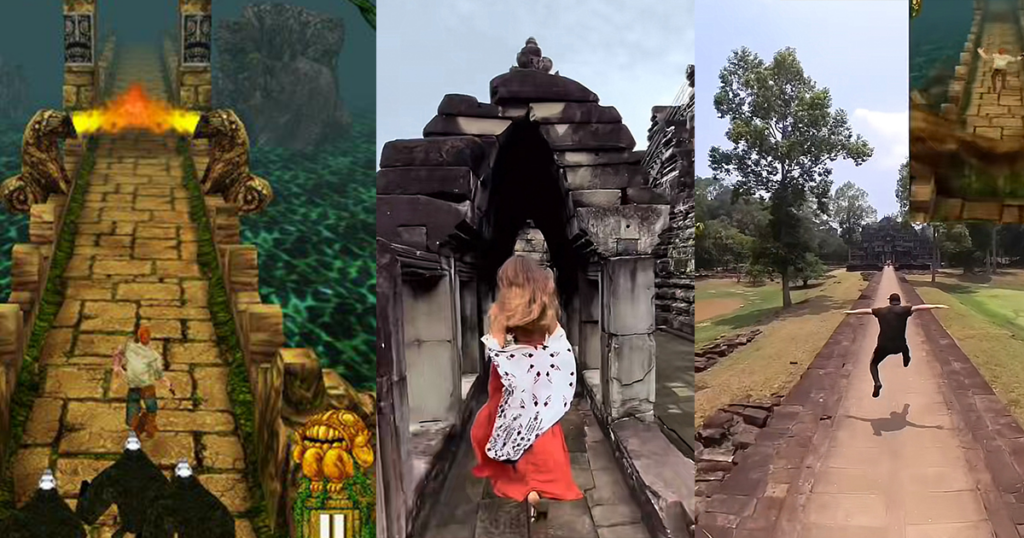
In recent months, TikTok has been buzzing with a captivating trend that transports viewers straight into the heart of Cambodia’s ancient wonders. Inspired by the popular mobile game Temple Run, adventurous content creators are bringing a dose of real-life excitement to their videos. They dash through the sprawling ruins of Angkor Wat and Ta Prohm, capturing the action from behind as they navigate these historic temples.

For those intrigued by this blend of adventure and history, delve into this article to explore more about the temples and their fascinating past.

Angkor Wat

Photo by Digital Vision/Getty Images

Located in the ancient Khmer capital city of Angkor, it is one of Cambodia’s most iconic landmarks. Its name translates to “City of Temples” in Khmer, aptly describing its grand scale and significance. Originally named Vrah Vishnuloka or Parama Vishnuloka, meaning the sacred dwelling of Vishnu in Sanskrit, Angkor Wat was initially constructed as a Hindu temple dedicated to the god Vishnu.

Over the centuries, Angkor Wat became a unique symbol of religious transition. By the end of the 12th century, it had shifted from its Hindu origins to serve as a Buddhist temple, reflecting the changing spiritual landscape of the region. This blend of Hindu and Buddhist influences is a hallmark of Angkor Wat’s history and architecture.

The temple is a stunning example of Khmer architectural style, renowned for its intricate bas-reliefs and countless sculptural decorations. These artworks vividly depict scenes from Hindu mythology and daily life, showcasing the artistic achievements of the Khmer civilisation.

Angkor Wat is deeply intertwined with Cambodian identity, appearing on the national flag since its first version in 1863. Today, it is recognised as the largest religious structure in the world by Guinness World Records. Since the 1990s, it has become a major tourist destination, drawing visitors from around the globe to experience its breathtaking beauty and rich historical heritage.

Ta Prohm

Photo by visitkohrong.com

Built starting in 1186, it is another fascinating gem in Cambodia’s array of ancient temples. Originally known as Rajavihara or the “Monastery of the King,” it was dedicated to the mother of King Jayavarman VII. According to legend, the tomb of this revered figure was once encased in four stone walls adorned with diamonds.

The 15th century brought devastation when the capital was overrun by Siamese forces. The Khmer King retreated to Phnom Penh, and during this upheaval, the temple’s treasures, including all its jewels, were stolen. This history has given Ta Prohm an air of mystery and secrecy, further enhanced by the jungle’s embrace.

For centuries, Ta Prohm was forgotten, only rediscovered in 1860. Its unique atmosphere is partly due to the massive trees and their long-decayed roots that have intertwined with the temple’s structure. Unlike the towering pyramidal design, Ta Prohm features a more “flat” architectural style, with fewer narrative bas-reliefs compared to Angkor Wat. However, it does include some scenes from Buddhist mythology, such as the “Great Departure” of Siddhartha, who would become the Buddha.

Ta Prohm gained international fame as the filming location for Lara Croft: Tomb Raider (2001), further cementing its place in popular culture. Its blend of natural reclamation and ancient craftsmanship continues to captivate visitors from around the world.

 A Social Media Trend

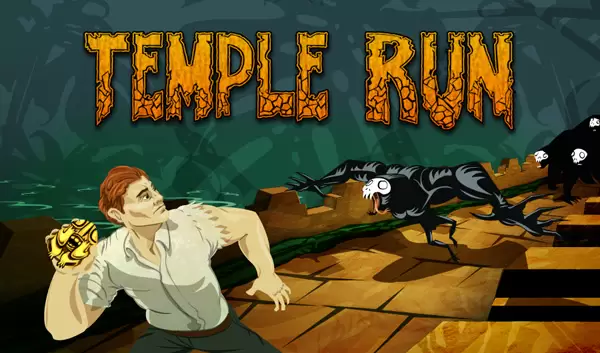
The imagination of tourists visiting Cambodia’s ancient temples has sparked a unique social media trend that blends digital excitement with real-world exploration. Many visitors have noticed the striking resemblance between the sprawling ruins of Angkor Wat and Ta Prohm and the mobile game Temple Run by Imangi Studios. In this endless runner game, players must escape from a monster after stealing an artefact from a temple.

Intrigued by this connection, people have started creating their own real-life Temple Run experiences, sharing videos of their adventures running through the temples as if they were characters in the game. This playful mimicry has taken off, especially on TikTok, where users are captivated by the blend of gaming and historical exploration.

This trend is a fascinating intersection of a game that became a cultural phenomenon and the rich cultural heritage of Cambodia. It’s not just about having fun; it’s a way to engage with history in a modern, interactive manner. As people continue to post their Temple Run-inspired content, the exposure of Cambodia’s majestic temples grows, drawing more attention and visitors to these ancient sites.

For more about Cambodia’s history, check out The Dark Legacy of Pol Pot’s Terror Reign.

Why Are Teens Using Sadfishing to Get Attention?

Nadya Sharfina · July 29, 2024 · 1 Comment

"Social media's drive for likes can overshadow authenticity, leading teens to trade genuine moments for attention."

Social media has become an integral part of teenage life, shaping how young people communicate, express themselves, and seek validation. Many teens view social media as a platform where the goal is to gain as many likes and engagements as possible. This drive for online approval often leads them to craft posts that are designed to stand out and attract attention.

However, this quest for engagement can sometimes overshadow the authenticity of their posts. Rather than sharing genuine experiences or feelings, some teens may resort to behaviours like sadfishing. 

What Is Sadfishing?

Photo by Thegiansepillo on Pexels

Sadfishing is a term used to describe the act of posting personal pictures or stories on social media to gain attention and sympathy. It’s often seen as a cry for help or a way to seek emotional support from others online. While it can be a genuine expression of someone’s feelings, it often carries a negative connotation due to its perceived insincerity.

Originally, the term “sadfishing” was used to reference the behaviour of celebrities who shared overly emotional or dramatic posts to engage their followers. These posts were seen as a way to maintain public interest and elicit sympathy, often leading to debates about the authenticity of their emotions.

For example, sadfishing on Instagram might involve posting an exaggerated story or image. This could be a picture of someone looking particularly downcast, accompanied by a caption hinting at a vague personal struggle. On Twitter, sadfishing might take the form of an exaggerated tweet. Users might share a melodramatic or sensationalised account of their feelings or experiences, hoping to garner retweets, likes, and sympathetic replies.

While the motivations behind sadfishing can be complex, it’s clear that the behaviour taps into the need for connection and validation in the digital age. Understanding sadfishing can help us navigate our online interactions with more empathy and awareness.

Why Are Teens Sadfishing?

Photo by cottonbro studio on Pexels

People may sadfish for numerous reasons, ranging from dealing with family or relationship problems to mental health struggles or body image issues. For teens, the motivations behind sadfishing often stem from a need to seek support or sympathy from other people.

When a teen sadfishes, it is likely they are struggling with something and want to let others know. A common cause of sadfishing includes loneliness, where a teen may post emotional content to feel supported by friends. It might be a way to manage challenging emotions like depression or anxiety, especially if they are unsure of healthier coping mechanisms.

Sadfishing can also be a method for teens to receive the attention they crave or fill a need for reassurance. In some cases, it can be tied to narcissism, where they believe they are highly esteemed and liked by everyone. Conversely, low self-esteem or a sense of worthlessness can also lead to sadfishing, as these teens seek validation and support online.

Poor social support is another significant factor. Teens who don’t feel they have someone in the real world with whom they can comfortably share their struggles may turn to social media as an outlet. Sadfishing becomes a way to reach out and connect with others, even if the connection is superficial or fleeting.

How Can Parents Respond to Sadfishing?

Photo by Liza Summer on Unsplash

Communicate

When it comes to addressing sadfishing, it’s important for parents to talk to and communicate with their children about what they are thinking and feeling. Approaching the conversation with openness and gentleness can encourage teens to open up about their behaviour in a neutral and non-judgmental environment.

Children need parental support to grow and thrive, and being there for them emotionally is important. Some parents may not realise their teens are struggling until they engage in potentially dangerous or inappropriate behaviour. Recognising the signs of sadfishing early on can help parents provide the necessary support before it escalates.

Understand

Understanding that sadfishing is not abnormal teen behaviour is also essential. Many teens turn to social media to express their emotions and seek validation. It’s a common part of navigating adolescence in the digital age. By acknowledging this, parents can avoid making assumptions that might cause their teens to take offence and isolate themselves further.

Instead of jumping to conclusions, parents should strive to understand the underlying issues driving their teen’s behaviour. While posting about personal struggles might not always indicate sadfishing, it is important to recognise that these posts can reflect real emotions and challenges. Open, non-judgmental conversations can help build trust and create a safe space for teens to share their feelings. 

In conclusion, teaching teens appropriate social media use is essential for helping them navigate the complexities of online interactions. Social media can be a valuable resource for connection and information, but it also has the potential to be a negative influence if not used thoughtfully. Check out: The Importance of Talking to Your Kids About Social Media.

It’s important to explain to your teen how the internet works, emphasising that every post leaves an online footprint. This means that their online actions can have lasting effects on their reputation and emotional well-being. Encouraging them to think critically about what they share and the potential impact of their posts can foster more mindful and responsible online behaviour.

Should TikTok Be Banned?

Nadya Sharfina · March 22, 2024 · Leave a Comment

"As TikTok's popularity soars, governments worldwide grapple with privacy concerns, prompting bans and legislative actions."

TikTok, which is owned by ByteDance, has become a well-known social media platform. However, its popularity hasn’t kept it from facing rising international issues. Governments worldwide are increasingly taking decisive action against TikTok, citing concerns over data privacy and cybersecurity as key drivers behind their moves.

At the time of writing, TikTok is completely banned in Afghanistan, India, Nepal, and Somalia. Some other countries such as Australia, Belgium, Canada, Denmark, New Zealand, Norway and the U.K. have banned TikTok on governmental devices. 

The most recent blow to TikTok in the United States occurred on March 13, when the House of Representatives voted to forward a measure. If passed, this bill could lead to TikTok being banned in a country with one of the largest numbers of both users and creators. Why is the U.S. considering banning TikTok, and who initiated this movement? Should TikTok indeed be banned, considering the implications it may have on its millions of users?

What’s Prompting the U.S. to Ban TikTok?

Photo by Franck on Unsplash

The current news about TikTok potentially being banned in the United States is the result of a House bill that was recently enacted. It is part of an ongoing political debate over the platform. TikTok has been a huge success since its debut in 2017, surpassing Facebook, Instagram, Snapchat, and YouTube in terms of downloads in 2018. However, its quick expansion has alarmed lawmakers, who are concerned about data privacy and censorship due to its Chinese roots.

Despite TikTok’s reassurances that it won’t hand over U.S. user data to the Chinese government, concerns linger. Investigations revealing China-based employees accessing non-public U.S. user data only added to the unease. TikTok claims that U.S. customer data is stored outside of China, mostly in Singapore and the United States, with the assistance of American IT giant Oracle. Many lawmakers, however, have not been happy with these guarantees. This culminated in CEO Shou Zi Chew facing a severe grilling before Congress in March 2023.

Who Initiated the U.S. TikTok Ban?

Photo by Darren Halstead on Unsplash

TikTok has faced numerous bans and attempted bans in many countries in recent years. In 2020, Donald Trump proposed a ban in the U.S., but the courts quickly blocked it, citing First Amendment rights. The following year, the U.S. government restricted the app’s use on official phones, a move that was replicated by at least 34 states by 2023, indicating a broad unwillingness to engage with TikTok inside official circles.

Aside from government prohibitions, TikTok experienced opposition from educational institutions, with over 50 universities in the United States choosing to restrict its usage on campus Wi-Fi and laptops. Meanwhile, India implemented a ban in 2020 following safety concerns. This governmental decision shifted the competitive landscape in India, favouring alternatives such as YouTube Shorts and Instagram Reels.

Even within China, where TikTok is based, the app hasn’t taken centre stage. Instead, Douyin, a locally tailored platform with stricter content moderation, dominates the scene. This divergence demonstrates how TikTok’s presence and reception varied across areas, with regulatory settings impacting its trajectory in each location.

Will U.S. TikTok Shut Down Soon?

Photo by Solen Feyissa on Unsplash

TikTok’s immediate fate has not yet been determined. The Senate must approve the proposal before it becomes law. Although the President of the United States, Joe Biden, has expressed his intention to sign it, it must first pass through the Senate. The timing of this vote remains unknown. 

What Are TikTok Users Saying?

Photo by Josh Rose on unsplash

Many influencers are crossing their fingers, hoping that lawmakers will give the matter a second thought. They argue that TikTok serves as a vital space for bringing people together and discussing important social justice issues. It’s not just about funny dances and light-hearted content; TikTok also hosts meaningful discussions and educational content. The platform has become a powerful tool for amplifying diverse voices and raising awareness on critical issues. Its unique format allows complex topics to be shared in a digestible and engaging way, reaching millions worldwide.

If the House bill makes it into law, it could spell trouble for small businesses and social media influencers alike. Small businesses rely on TikTok for marketing and even run their e-commerce operations through TikTok Shop. For influencers. who have invested years into building their follower base and securing brand deals, this could seriously impact their livelihoods.

Should Countries Ban TikTok?

Photo by Solen Feyissa on Unsplash

TikTok offers more than just entertainment. Alongside fun content, it provides educational, inspiring, and informative material from around the world. For today’s tech-savvy youth, TikTok is a valuable resource for learning in our fast-changing digital landscape.

Deciding whether to ban TikTok, especially for educational use, is complex. On one hand, it offers a variety of educational content, from academic subjects to practical skills. Many educators and learners have utilised TikTok as a supplementary tool for teaching and learning due to its engaging format.

However, issues about data privacy, content filtering, and inappropriate content are all worth considering. While TikTok has educational value, it also has hazards, especially for younger users who are more receptive to incorrect or misleading information.

Instead of an outright prohibition, a more nuanced approach may include setting strong safety controls and standards to limit potential risks. This could include encouraging responsible use, providing tools for digital literacy and online safety, and requiring parental supervision for younger users. Read ‘Navigating Kids to a Secure Online: Tips and Suggestions’

CURIO SG

Copyright © 2025 Curio Singapore · Log in

  • Home
  • Journal
  • Frequently Asked Questions
  • Contact
  • Careers
  • Free Resources